


Quick Summary: Yes, you can grow herbs hydroponically indoors year-round. Hydroponic systems provide a controlled environment with consistent light, temperature, and nutrients, making them suitable for continuous herb cultivation regardless of outdoor conditions. Proper setup includes adequate grow lights, nutrient solutions, and ventilation to ensure healthy plant growth. With proper care, herbs like basil, mint, and parsley can thrive indoors throughout the year.
Article Guide
- A Simple, Repeatable Plan for Growing Hydroponically
- Understanding Hydroponic Gardening
- Step 1: Planning Your Hydroponic Garden
- Step 2: Setting Up Your Hydroponic System
- Step 3: Maintaining Your Hydroponic Garden
- Step 4: Troubleshooting Common Issues
- Step 5: Harvesting and Expanding Your Hydroponic Garden
- Conclusion
- Important Questions and Answers
- What are the basic requirements to start growing plants hydroponically?
- How do I choose the right hydroponic system for my space?
- What are common challenges faced when growing hydroponically and how can I overcome them?
A Simple, Repeatable Plan for Growing Hydroponically
Growing hydroponically offers a vibrant, soil-free way to cultivate fresh herbs right inside your home, transforming any space into a lush, green oasis. With a carefully managed system, you can provide your plants with a steady supply of nutrients, consistent light, and optimal temperature, all controlled with precision. This method not only accelerates growth but also minimizes pests and soil-borne diseases, making it a reliable choice for year-round herb gardening. When set up correctly, herbs like basil, mint, and parsley flourish indoors, offering a continuous harvest of flavor and freshness.
Understanding Hydroponic Gardening
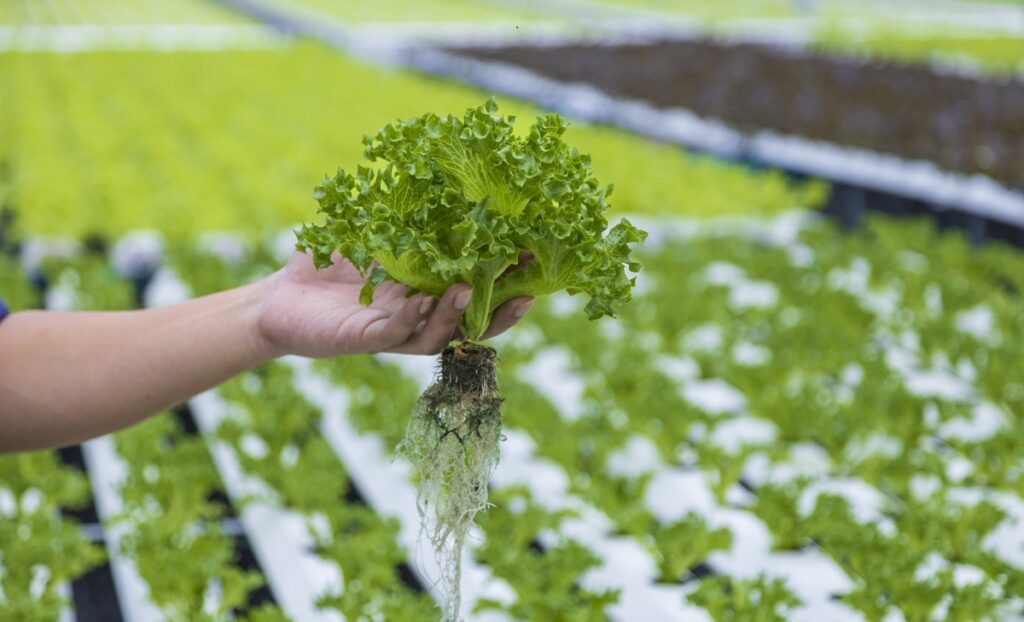
Hydroponic gardening involves growing plants without soil, instead using nutrient-rich water solutions to deliver essential minerals directly to plant roots. This method allows for precise control over nutrient levels, pH balance, and environmental conditions, leading to optimal plant health and productivity. Popular crops for hydroponic systems include leafy greens like lettuce and spinach, herbs such as basil and mint, and even fruiting plants like tomatoes and peppers.
Before diving into setup, it’s important to understand the core components of a hydroponic system:
- Growing Container: A reservoir or tray that holds the nutrient solution and supports plant roots.
- Water and Nutrients: A carefully balanced solution of water, macro, and micronutrients tailored to the specific plants you are growing.
- Support Structure: Net pots, baskets, or other holders that keep plants stable while roots access the nutrient solution.
- Lighting: Especially for indoor setups, grow lights such as LEDs or fluorescents provide the necessary light spectrum for photosynthesis.
- Air Supply: Air stones or diffusers that oxygenate the water, preventing root rot and promoting healthy growth.
Understanding these components helps you select the right system type—whether it’s nutrient film technique (NFT), deep water culture (DWC), or drip systems—based on your space, budget, and crop choices.
Step 1: Planning Your Hydroponic Garden
Effective planning is the foundation of a successful hydroponic setup. Start by defining your goals: Are you growing for personal consumption, small-scale commercial purposes, or educational projects? Your objectives influence the scale, system type, and crop selection.
Next, evaluate your available space. For example, a sunny windowsill can accommodate a small herb garden, while a basement or garage might support larger systems like flood-and-drain or vertical towers. Consider lighting conditions, temperature stability, and ventilation to ensure optimal plant health.
Choose your crops based on your preferences and space constraints. Leafy greens like lettuce, arugula, and kale are excellent for beginners due to their fast growth cycles and minimal space requirements. Herbs such as basil, cilantro, and parsley thrive in hydroponic systems and can be harvested multiple times. For more advanced setups, tomatoes, cucumbers, and peppers can be grown hydroponically, providing fresh produce year-round.
Develop a detailed layout plan, including the placement of containers, lighting, and access points for maintenance. For example, vertical hydroponic towers maximize space efficiency, while tabletop systems are ideal for small-scale indoor gardens.
To wrap up, create a budget that accounts for initial equipment costs, ongoing supplies, and potential upgrades. Investing in quality components like durable reservoirs, reliable pumps, and adjustable lighting can save money and effort in the long run.
Step 2: Setting Up Your Hydroponic System
Once planning is complete, assemble your hydroponic system with attention to detail. Here’s a step-by-step example of setting up a simple deep water culture (DWC) system for herbs and leafy greens:
- Gather materials: A food-grade plastic container or reservoir, net pots, air pump with air stones, nutrient solution, pH testing kit, and grow lights if indoors.
- Prepare the reservoir: Clean thoroughly to prevent contamination. Fill with water and add hydroponic nutrients according to the manufacturer’s instructions. For example, a typical nutrient mix might include nitrogen, phosphorus, potassium, calcium, magnesium, and trace minerals.
- Adjust pH: Use a pH testing kit to ensure the solution is between 5.5 and 6.5, optimal for most leafy greens. Adjust with pH up or down solutions as needed.
- Set up support structures: Place net pots filled with a growing medium like clay pellets or coconut coir into the reservoir lid or support frame.
- Plant your seedlings: Gently place young plants into the net pots, ensuring roots are submerged in the nutrient solution.
- Oxygenate the water: Connect the air pump and stones to aerate the solution continuously, promoting healthy root development.
- Install lighting and environmental controls: For indoor setups, position grow lights approximately 12-18 inches above plants, adjusting as they grow. Maintain temperature between 65-75°F (18-24°C) and humidity around 50-70%.
Ensure all connections are secure, and monitor the system regularly for leaks, water levels, and plant health. Consistent maintenance is key to preventing issues like algae growth or root diseases.
Step 3: Maintaining Your Hydroponic Garden
Ongoing maintenance involves routine checks and adjustments to keep your plants thriving. Here are specific tasks to incorporate into your weekly schedule:
- Monitor water levels: Top off the reservoir with water as needed, ensuring the nutrient solution remains at the appropriate level.
- Check and adjust pH: Test pH weekly and adjust to stay within the optimal range. For example, if pH drifts above 6.5, add pH down solution gradually.
- Replace nutrient solution: Every 2-3 weeks, drain and replace the entire solution to prevent salt buildup and maintain nutrient balance.
- Inspect plant health: Look for signs of pests, diseases, or nutrient deficiencies. For instance, yellowing leaves may indicate nitrogen deficiency, while brown spots could suggest calcium issues.
- Maintain equipment: Clean filters, check pumps and aerators for proper operation, and replace parts as needed to prevent system failures.
In addition to routine tasks, observe your plants closely. For example, basil grown hydroponically often shows rapid growth—if leaves become pale or wilted, it may be a sign of nutrient imbalance or oxygen deficiency. Adjust your system accordingly to optimize growth conditions.
Seasonal considerations also matter. Indoor hydroponic gardens may require supplemental lighting during winter months, while outdoor systems need protection from pests and extreme weather. Using shade cloths or windbreaks can help maintain stable conditions.
Step 4: Troubleshooting Common Issues
Even with careful planning and maintenance, problems can arise. Here are some common issues and solutions:
- Algae growth: Often caused by excess light reaching the nutrient solution. Prevent by covering reservoirs and reducing light exposure. Use opaque containers and keep the system clean.
- Root rot: Results from oxygen deficiency or contaminated water. Ensure proper aeration, maintain clean system components, and avoid overwatering plants.
- Nutrient deficiencies: Manifest as yellowing leaves, stunted growth, or poor yields. Regularly test nutrient levels and adjust concentrations accordingly.
- Pest infestations: Common pests include aphids, spider mites, and whiteflies. Use organic pest control methods like neem oil or introduce beneficial insects such as ladybugs.
- pH fluctuations: Can hinder nutrient uptake. Maintain consistent pH levels and avoid adding incompatible chemicals.
Document issues and solutions to refine your process over time. For example, if you notice persistent algae, switching to opaque containers and reducing light exposure can significantly improve system health.
Step 5: Harvesting and Expanding Your Hydroponic Garden
Harvesting is the rewarding culmination of your efforts. For leafy greens like lettuce and spinach, you can harvest leaves as needed, encouraging continuous growth. Herbs such as basil can be pruned regularly to promote bushier plants and more abundant yields.
For fruiting plants like tomatoes, monitor ripening stages and harvest when fruits are fully colored and firm. Proper harvesting techniques, such as using scissors to avoid damaging stems, extend the lifespan of your plants.
As you gain confidence, consider expanding your hydroponic system. For example, adding vertical towers or integrating multiple systems can increase your yield without requiring additional space. Incorporate automation features like timers for lighting and nutrient dosing to streamline maintenance.
Document your progress with a gardening journal, noting growth rates, nutrient adjustments, and pest management strategies. This record helps optimize future planting cycles and troubleshoot recurring issues.
Ultimately, share your success with community groups or local markets. Hydroponic gardening not only provides fresh produce but also promotes sustainable practices and food security. For example, urban farms utilizing hydroponics have successfully supplied local restaurants with fresh herbs and greens year-round, demonstrating the commercial potential of this method.
Conclusion
Growing hydroponically is a rewarding venture that combines science, art, and sustainability. By following a simple, repeatable plan—starting with thorough planning, careful setup, diligent maintenance, and continuous learning—you can enjoy a bountiful harvest of fresh, healthy plants. Remember, each system is unique, and adapting your approach based on experience and observation will lead to the best results. With patience and persistence, hydroponic gardening can become a sustainable source of food and a fulfilling hobby that connects you with the fundamentals of plant growth and environmental stewardship.
Important Questions and Answers
What are the basic requirements to start growing plants hydroponically?
To start growing plants hydroponically, you'll need a suitable growing medium, a nutrient-rich water solution, and a system to deliver the nutrients to the plants, such as a drip or flood-and-drain system. Proper lighting, either natural or artificial, is essential for plant growth. Maintaining the right pH and nutrient levels in the water is also crucial for healthy plant development.
How do I choose the right hydroponic system for my space?
The choice of a hydroponic system depends on the space available, the types of plants you want to grow, and your budget. Popular options include deep water culture, nutrient film technique, and drip systems, each suited for different scales and plant varieties. Consider ease of maintenance and scalability when selecting a system to ensure it fits your growing goals.
What are common challenges faced when growing hydroponically and how can I overcome them?
Common challenges include nutrient imbalances, algae growth, and root diseases. To prevent these issues, regularly monitor and adjust nutrient levels, keep the system clean, and ensure proper oxygenation of the water. Maintaining optimal pH levels and providing adequate lighting can also help promote healthy plant growth and reduce problems.
