


Instant Insight: Hydroponic systems can be used outdoors as well as indoors, depending on the design and environmental conditions. Outdoor hydroponics require protection from extreme weather, pests, and temperature fluctuations, which can affect plant growth. Many outdoor systems are built to withstand weather and are suitable for growing vegetables, herbs, and flowers. Proper planning and setup are essential to ensure successful outdoor hydroponic gardening.
In This Article
- Benefits of Hydroponic Growing in Outdoor Gardens
- Enhanced Plant Growth and Yield
- Water Conservation and Efficiency
- Reduced Pest and Disease Pressure
- Space Optimization and Flexibility
- Reduced Soil Dependency and Soil Degradation
- Environmental Sustainability and Reduced Chemical Use
- Year-Round Growing Potential
- Educational Opportunities and Innovation
- Cost-Effectiveness and Long-Term Savings
- Conclusion
- Common Queries and Answers
- What are some typical varieties of hydroponic growing systems?
- Which nutrients are necessary for healthy growth of hydroponic plants?
- How do you get started with hydroponic growing?
Benefits of Hydroponic Growing in Outdoor Gardens
Growing hydroponically in outdoor gardens offers a vibrant, soil-free alternative that can yield lush vegetables, fragrant herbs, and colorful flowers right in your backyard. When designed to withstand the elements, these systems can turn even small outdoor spaces into productive green havens, free from soil-borne pests and weeds. However, outdoor hydroponics demand careful protection from harsh weather, temperature swings, and unwelcome critters to keep plants thriving. With thoughtful planning and sturdy setup, gardeners can enjoy the benefits of a clean, efficient, and visually appealing growing environment that extends the growing season and maximizes space.
Hydroponic gardening, the method of growing plants without soil by using mineral nutrient solutions in an aqueous solvent, has gained significant popularity among outdoor gardeners seeking innovative ways to maximize their garden’s productivity. Unlike traditional soil-based gardening, hydroponics offers a range of benefits that can transform your outdoor space into a lush, efficient, and sustainable oasis. Whether you are a seasoned gardener or a beginner exploring new methods, understanding the advantages of hydroponic systems can help you make informed decisions to enhance your gardening experience.
Enhanced Plant Growth and Yield
One of the most compelling reasons to adopt hydroponic growing in your outdoor garden is the potential for faster and more robust plant growth. Since plants receive a precisely balanced nutrient solution directly to their roots, they can absorb nutrients more efficiently than in soil. For example, leafy greens like lettuce and spinach can mature in as little as 30 days, compared to 45-60 days in traditional soil gardening. Similarly, fruiting plants such as tomatoes and peppers often produce higher yields when grown hydroponically, sometimes up to 25-30% more than their soil-grown counterparts.
This accelerated growth is especially beneficial during short growing seasons or in regions with limited arable land. Additionally, hydroponic systems allow for year-round cultivation in controlled environments, further increasing overall productivity.
Water Conservation and Efficiency
Hydroponic systems are inherently more water-efficient than traditional soil gardening. Because the nutrient solution is recirculated within the system, water loss through runoff and evaporation is minimized. For instance, a well-maintained hydroponic setup can use up to 90% less water than conventional gardening methods. This efficiency is particularly advantageous in areas facing water scarcity or drought conditions.
Furthermore, the closed-loop nature of many hydroponic systems means that gardeners can precisely control water and nutrient levels, reducing waste and preventing overwatering. This not only conserves water but also reduces the risk of soil erosion and nutrient leaching, making hydroponics an environmentally friendly choice.
Reduced Pest and Disease Pressure
Growing plants in a soil-free environment significantly diminishes the likelihood of soil-borne pests and diseases. Common issues such as root rot, nematodes, and soil fungi are virtually eliminated in hydroponic systems. For example, pests like soil-dwelling beetles or nematodes that attack root systems are less likely to infest hydroponic setups, leading to healthier plants with fewer chemical interventions.
Additionally, since hydroponic systems are often elevated or enclosed, they provide a physical barrier against pests, reducing the need for pesticides. This results in cleaner, safer produce and a more sustainable gardening practice.
Space Optimization and Flexibility
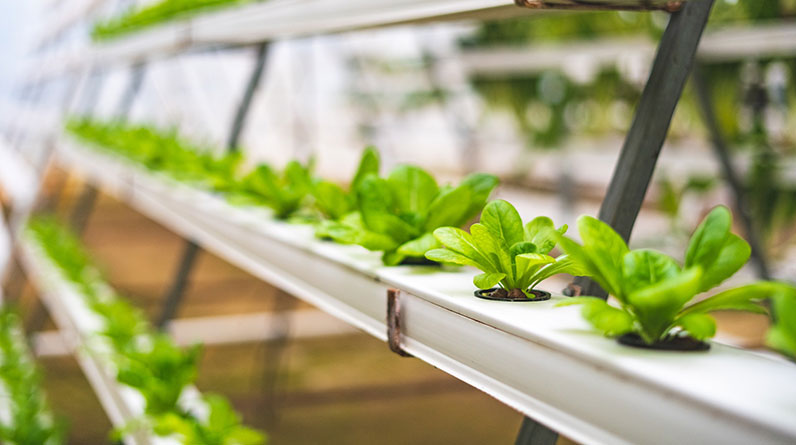
Hydroponic gardening allows for efficient use of space, making it ideal for small or urban outdoor gardens. Vertical hydroponic systems, such as tower gardens or wall-mounted setups, enable gardeners to grow a large number of plants in a compact footprint. For example, a single tower can support dozens of herbs, leafy greens, or strawberries in a space that would typically accommodate only a few plants in traditional soil beds.
This flexibility not only maximizes yield per square foot but also allows gardeners to customize their layouts based on sunlight, wind exposure, and personal preferences. Hydroponic systems can be integrated into existing garden beds, patios, or even rooftops, expanding the possibilities for outdoor cultivation.
Reduced Soil Dependency and Soil Degradation
Traditional gardening relies heavily on healthy soil, which can be depleted of nutrients over time or contaminated with pollutants. Hydroponic systems bypass the need for soil altogether, eliminating concerns about soil quality, compaction, or contamination. This is particularly beneficial in urban environments where soil quality may be poor or contaminated with heavy metals or pollutants.
By using soilless systems, gardeners can maintain a clean and controlled growing environment, reducing the risk of soil-borne pathogens and weeds. This approach also allows for easier crop rotation and experimentation with different plant varieties without the need to amend or replace soil.
Environmental Sustainability and Reduced Chemical Use
Hydroponic gardening promotes sustainability by reducing the need for chemical fertilizers, pesticides, and herbicides. Since nutrients are delivered directly to the plants in a controlled manner, there is less runoff and environmental pollution. Organic hydroponic systems, which use natural nutrient sources, further enhance eco-friendliness.
Moreover, hydroponics can be integrated with renewable energy sources, such as solar panels, to power pumps and lighting, reducing the carbon footprint of your garden. This sustainable approach aligns with global efforts to create more environmentally responsible food production systems.
Year-Round Growing Potential
While outdoor soil gardens are limited by seasonal changes, hydroponic systems can be adapted for year-round cultivation, especially when combined with protective structures like greenhouses or shade covers. This allows gardeners to enjoy fresh produce even during winter months or in colder climates.
For example, a greenhouse equipped with hydroponic beds can support the growth of herbs, lettuce, and microgreens throughout the year, providing a continuous supply of nutritious food. This consistency not only benefits home gardeners but also small-scale farmers looking to extend their growing season.
Educational Opportunities and Innovation
Implementing hydroponic systems in your outdoor garden offers valuable educational opportunities for families, schools, and community groups. Learning about plant biology, nutrient cycles, and sustainable agriculture fosters environmental awareness and practical skills.
Many innovative gardeners experiment with different hydroponic techniques, such as nutrient film technique (NFT), deep water culture (DWC), or aeroponics, to optimize growth conditions. These systems can be customized with automation, sensors, and data logging to monitor and improve plant health, making gardening a fascinating blend of science and art.
Cost-Effectiveness and Long-Term Savings
Although initial setup costs for hydroponic systems can be higher than traditional gardens, the long-term savings often outweigh the expenses. Faster crop cycles mean more harvests per year, and reduced water and fertilizer use lower ongoing costs. Additionally, higher yields and healthier plants can lead to savings on grocery bills and increased self-sufficiency.
For example, a small hydroponic setup for herbs and greens can produce enough to supply a family’s needs, reducing reliance on store-bought produce and minimizing waste.
Conclusion
Incorporating hydroponic growing into your outdoor garden offers numerous advantages, from increased productivity and water efficiency to environmental sustainability and space optimization. Whether you aim to grow fresh vegetables in a limited space, experiment with innovative gardening techniques, or create a year-round food source, hydroponics provides a versatile and rewarding solution. By understanding and leveraging these benefits, you can transform your outdoor garden into a thriving, sustainable, and efficient ecosystem that yields fresh, healthy produce for years to come.
Common Queries and Answers
What are some typical varieties of hydroponic growing systems?
Common hydroponic systems include nutrient film technique (NFT), deep water culture (DWC), drip systems, and aeroponics. Each system has its own method of delivering nutrients to the plants' roots, and the choice depends on the type of plants being grown and available space. These systems are designed to optimize oxygen and nutrient delivery for healthy plant growth.
Which nutrients are necessary for healthy growth of hydroponic plants?
Hydroponic plants require a balanced mix of macronutrients such as nitrogen, phosphorus, and potassium, along with micronutrients like calcium, magnesium, and iron. Since there is no soil to provide these nutrients, they must be supplied through a carefully formulated nutrient solution. Regular monitoring and adjusting of the nutrient levels are crucial for healthy plant development.
How do you get started with hydroponic growing?
Start with a small beginner setup, follow a proven checklist, and keep simple notes as you learn. Once you can repeat your results consistently, expand your system or add more advanced techniques.
