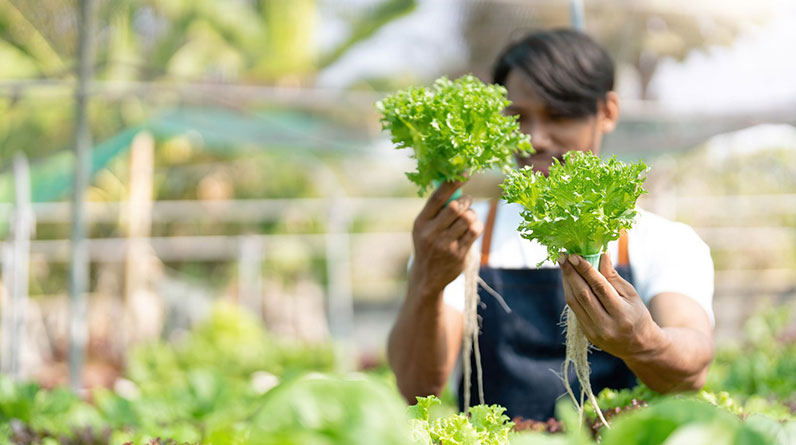
The type of grow light affects not only the growth rate but also the quality and yield of your plants.
Understanding Light Spectrum
The light spectrum is critical for plant growth, as plants utilize different wavelengths of light for photosynthesis. Blue light promotes vegetative growth, while red light is essential for flowering and fruiting. When selecting grow lights, ensure they provide a balance of both blue and red wavelengths to support all growth stages.
It is important to note that not all plants require the same light spectrum. For example, leafy greens thrive under more blue light, while fruiting plants benefit from increased red light. Therefore, understanding the specific needs of your plants will help in selecting the appropriate grow lights.
Types of Grow Lights
There are several types of grow lights available, each with its unique benefits and drawbacks:
- LED Lights: Energy-efficient, long-lasting, and customizable spectrums.
- Fluorescent Lights: Cost-effective and good for seedlings and low-light plants.
- High-Pressure Sodium (HPS) Lights: High-intensity light ideal for flowering stages.
- Metal Halide (MH) Lights: Good for vegetative growth but less efficient than LEDs.
When choosing a type, consider the specific growth requirements of your hydroponic plants, as well as the initial costs and long-term energy savings.
Light Intensity and Coverage
Light intensity is a significant factor in plant growth, as insufficient light can lead to poor development. Each plant species has specific light intensity requirements, typically measured in lumens or PAR (Photosynthetically Active Radiation). Ensure your grow lights provide adequate intensity for your plants’ needs.
Additionally, consider the coverage area of your grow lights. A common mistake is using lights that do not cover the entire growing area, leading to uneven growth. Ensure that your lighting setup can adequately illuminate all plants, using multiple lights if necessary to achieve even coverage.
Energy Efficiency Considerations
Energy efficiency is an essential aspect of selecting grow lights, as it impacts your operating costs. LED lights, for instance, consume significantly less energy than HPS or MH lights, resulting in lower electricity bills and reduced heat output.
When evaluating energy efficiency, consider the initial investment versus long-term savings. While LEDs may have a higher upfront cost, their longevity and lower energy consumption often make them the most cost-effective option over time.
Frequently Asked Questions
What type of grow light is best for beginners?
LED grow lights are often recommended for beginners due to their energy efficiency, low heat output, and customizable light spectrum.
How many hours a day should I use grow lights?
Most plants require 12-16 hours of light per day, but this can vary based on the specific needs of the plant species.
Can I use regular light bulbs for hydroponics?
While regular light bulbs can provide some light, they are not suitable for hydroponics as they lack the necessary light spectrum and intensity.
What is the difference between LED and HPS lights?
LED lights are energy-efficient, produce less heat, and have a longer lifespan, while HPS lights provide high intensity but consume more energy and generate more heat.
How do I know if my plants are getting enough light?
Signs that plants are not receiving enough light include leggy growth, pale leaves, and slow development. Adjust lighting as needed to improve conditions.
Conclusion
Choosing the right grow lights for hydroponics involves understanding the light spectrum, selecting the appropriate type, and ensuring adequate intensity and coverage. Prioritize energy efficiency to save on costs and consider the specific needs of your plants. By taking these factors into account, you can create an optimal lighting environment that supports healthy plant growth and maximizes your yield.