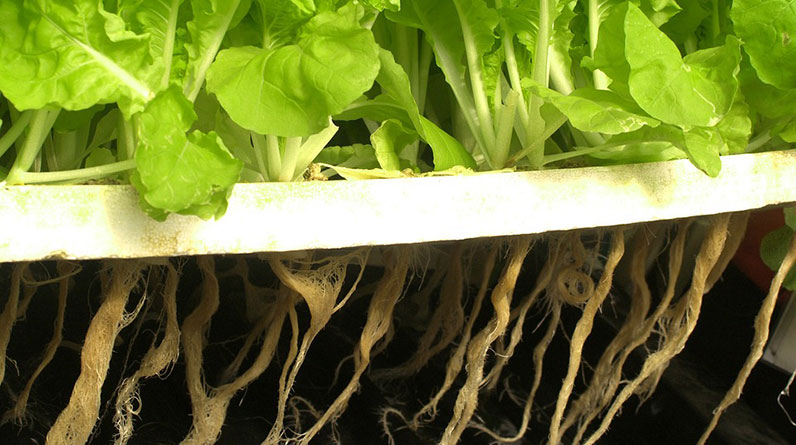
First, examine the nutrient solution to ensure it contains the right balance of macronutrients and micronutrients. A lack of nitrogen, phosphorus, or potassium can lead to yellowing leaves. Overwatering can also be a significant issue, as it can cause root rot and limit oxygen supply, which is essential for healthy plant growth. Regularly monitor the moisture level of the growing medium and allow it to dry slightly between watering sessions. Furthermore, maintaining the pH of the nutrient solution between 5.5 and 6.5 is essential for optimal nutrient absorption.
In addition to these checks, consider environmental factors that might be affecting plant health. Light exposure, temperature, and humidity play critical roles in plant growth. Ensure that your plants are receiving adequate light for their growth stage, as insufficient light can also lead to yellowing. If possible, evaluate your hydroponic setup and make adjustments to improve airflow and reduce humidity levels, which can help prevent issues like mold and root diseases.
Identifying Nutrient Deficiencies
To effectively counteract yellowing, identifying the specific nutrient deficiencies is paramount. Each nutrient deficiency presents unique symptoms; for instance, nitrogen deficiency typically shows up as yellowing of older leaves, while iron deficiency affects younger leaves. Regularly testing your nutrient solution can help pinpoint any deficiencies.
When assessing nutrient levels, consider using a quality hydroponic nutrient solution that provides a balanced mix of essential elements. Additionally, pay attention to the symptoms exhibited by your plants. For example, if the yellowing is concentrated at the leaf tips, it may indicate potassium deficiency. Understanding these signs can guide you in adjusting your nutrient mix appropriately.
Addressing Overwatering Issues
Overwatering is another common factor that can lead to yellowing in hydroponic plants. When roots are submerged in water for extended periods, they can become oxygen-starved, leading to root rot and nutrient uptake issues. To prevent this, ensure that your hydroponic system has adequate drainage and that you are not watering too frequently.
Implementing a schedule that allows the medium to dry slightly can promote healthier root systems. Consider using moisture meters to gauge the moisture level accurately and adjust your watering routine based on the specific needs of your plants. This will help maintain a balance that supports both root health and nutrient absorption.
Maintaining Optimal pH Levels
The pH level of your nutrient solution is crucial for nutrient availability. If the pH is too high or too low, plants may struggle to absorb essential nutrients, leading to yellowing. Regularly testing and adjusting the pH can help keep it within the optimal range of 5.5 to 6.5.
Using pH up or pH down solutions can help you adjust the levels as necessary. Additionally, consider investing in a reliable pH meter for accurate readings. Maintaining proper pH levels not only supports nutrient uptake but also promotes overall plant health, reducing the likelihood of yellowing.
Environmental Factors to Consider
Environmental conditions can significantly impact plant health and contribute to yellowing. Factors such as light intensity, temperature, and humidity levels should be monitored closely. Insufficient light can lead to weak growth and yellowing, while overly high temperatures can stress plants.
Ensure that your plants are receiving adequate light for their growth stage, and consider using grow lights if necessary. Additionally, maintaining a consistent temperature and humidity level can help create an ideal environment for growth, reducing the risk of yellowing.
Frequently Asked Questions
What causes yellowing in hydroponic plants?
Yellowing can be caused by nutrient deficiencies, overwatering, or improper pH levels, affecting the plants’ ability to absorb essential nutrients.
How can I fix nutrient deficiencies in my hydroponic system?
Conduct regular tests of your nutrient solution and adjust it to ensure a balanced mix of essential nutrients, particularly nitrogen, phosphorus, and potassium.
What should I do if my plants are overwatered?
Allow the growing medium to dry slightly between watering sessions and ensure your hydroponic system has proper drainage to prevent root suffocation.
How do I maintain the right pH levels in hydroponics?
Regularly test your nutrient solution’s pH and use pH up or down solutions to adjust it to the optimal range of 5.5 to 6.5.
What environmental factors can affect hydroponic plant health?
Light intensity, temperature, and humidity levels all play a role in plant health; inadequate conditions can lead to stress and yellowing leaves.
Conclusion
Addressing yellowing in hydroponic plants requires a thorough understanding of the underlying causes, including nutrient deficiencies, overwatering, and improper pH levels. By regularly testing and adjusting nutrient solutions, monitoring water levels, and maintaining optimal environmental conditions, you can effectively prevent and remedy yellowing. Prioritize these actions to ensure your plants thrive and recover, leading to healthier growth and improved yields.