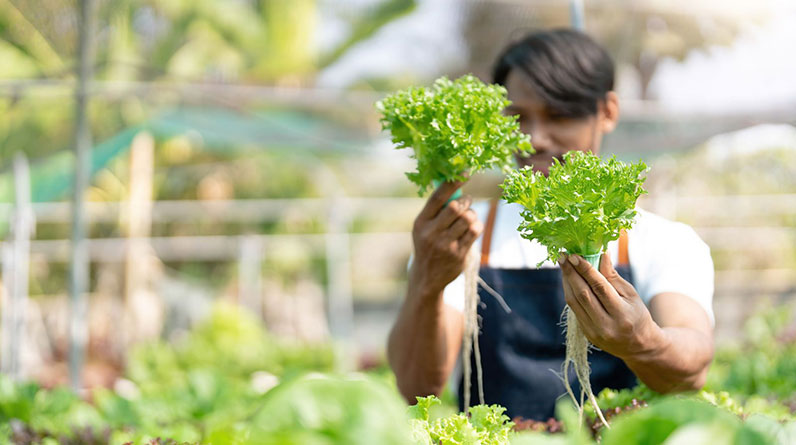
Understanding the consequences of running out of stored food is crucial for effective preparation. When supplies run low, it’s not just about hunger; it can lead to a cascade of issues including fatigue, weakened immune response, and psychological stress. Prioritizing the establishment of a diversified food strategy can mitigate these effects. This includes understanding local food sources, maintaining relationships with neighbors for potential food swaps, and exploring community resources such as food banks. Many fail to consider that food scarcity can lead to desperation, which may result in unsafe foraging practices or conflicts over resources.
Another common oversight is the belief that stored food is a one-time solution. In reality, food storage requires ongoing management, including rotation of supplies and periodic assessment of needs based on consumption patterns. This is particularly important in times of uncertainty, as food availability can fluctuate dramatically. Maintaining a flexible food plan that includes fresh produce, canned goods, and non-perishable items can prevent a crisis when stored food runs out.
Understanding the Immediate Consequences
When you run out of stored food, the immediate consequences can manifest physically and psychologically. Physically, the body may start to experience hunger pangs, fatigue, and irritability. Prolonged absence of food can lead to malnutrition, affecting energy levels and overall health. Psychologically, the stress of food scarcity can lead to anxiety, panic, and even desperation, impacting decision-making abilities. Understanding these consequences helps highlight the urgency of finding alternatives.
To counteract these effects, first assess your immediate environment. Look for food sources such as wild edibles, or consider reaching out to local community resources for assistance. Establish a plan to prioritize nutrient-dense foods that can provide the necessary energy and sustenance. For instance, if you find yourself with limited options, focus on high-calorie foods like grains or legumes that can help stabilize your energy levels until you secure more reliable food sources. Always prioritize safety; foraging should be done with caution to avoid harmful plants.
Many individuals make the mistake of panicking when faced with food shortages, leading to rushed decisions that can exacerbate the situation. For example, some may attempt to forage without adequate knowledge, resulting in the consumption of inedible or toxic plants. A more prudent approach is to educate oneself on local flora and fauna before an emergency arises, ensuring you have the skills to identify safe food options.
Practical Alternatives When Food Runs Out
Finding alternatives when stored food runs out is essential for maintaining both physical health and peace of mind. Immediate actions include reaching out to neighbors or community members for food sharing or bartering. Additionally, exploring local food banks or community gardens can provide temporary relief. Understanding the layout of your community and where to find these resources is crucial.
If you’re unable to access community resources, consider creating a foraging plan. Start by researching edible plants in your area and practicing foraging techniques. It’s also beneficial to keep a small garden or container plants at home, as these can supplement your food supply during shortages. Even a few herbs or vegetables can make a significant difference in times of need.
A common pitfall is underestimating the power of community resources. Many people overlook local food banks or community assistance programs, thinking they won’t qualify for help. In reality, these resources are often available to anyone in need, regardless of income level. Engaging with your community can provide not only food but also emotional support during difficult times.
Long-Term Strategies for Food Security
Creating long-term strategies for food security is essential to prevent future shortages. This involves not only maintaining a robust stockpile of non-perishable foods but also developing skills in gardening, foraging, and food preservation. Establishing a diverse food storage plan can significantly reduce the risk of running out of food.
Consider implementing a food rotation strategy to ensure older items are consumed first, preventing waste and ensuring freshness. Regularly reviewing your food inventory helps you understand what you have and what you need to replenish. Additionally, invest time in learning food preservation methods such as canning, dehydrating, or fermenting, which can extend the life of your food stores.
A significant mistake individuals make is focusing solely on bulk purchases of non-perishables without considering nutritional diversity. It’s important to include a variety of food groups in your stored supplies to maintain balanced nutrition. A well-rounded approach not only prepares you for emergencies but also contributes to overall health and well-being.
Community and Networking Resources
Building a network of community resources can be invaluable during times of food shortages. Connecting with local farmers, community gardens, and food cooperatives creates a support system that can provide access to fresh produce and other food items. These relationships can also offer opportunities for skill sharing, such as gardening or cooking classes.
Participating in local food exchanges or cooperatives can also enhance your food security. These platforms often allow individuals to trade goods or services, ensuring that everyone has access to necessary resources. Additionally, volunteering at local food banks or community kitchens can help you stay informed about food resources in your area.
People often underestimate the benefits of community involvement, believing they can manage their food needs independently. This isolationist approach can lead to increased vulnerability during food shortages. Actively engaging with your community not only strengthens your food security but also fosters relationships that can provide emotional support in challenging times.
Further Reading
Authoritative Sources
- Ready.gov
ready.govOfficial U.S. preparedness guidance, checklists, and planning resources for households and emergencies.
- FEMA
fema.govFederal emergency management resources, disaster planning information, and recovery guidance.
- American Red Cross Emergency Preparedness
redcross.orgPractical emergency preparation steps, supply lists, and safety guidance for families.
- National Weather Service
weather.govOfficial forecasts, hazard alerts, and weather safety information.
- CDC Emergency Preparedness and Response
cdc.govPublic health guidance for emergencies, disasters, and recovery situations.
Frequently Asked Questions
What are the first signs of running out of food?
Initial signs include increased hunger, fatigue, and irritability, often leading to anxiety over food availability.
How can I safely forage for food?
Research local edible plants and fungi, and consider joining foraging workshops to learn safe identification and harvesting techniques.
What should I prioritize in my food storage?
Focus on a mix of non-perishable items, canned goods, and nutrient-dense foods that provide essential vitamins and minerals.
How can I build a community for food sharing?
Engage with local farmers’ markets, food co-ops, or community gardens to establish relationships that can lead to food sharing opportunities.
What are some emergency food sources?
Emergency food sources include food banks, local charities, and community-supported agriculture (CSA) programs that can offer immediate assistance.
Conclusion
Running out of stored food presents significant challenges that extend beyond simple hunger. Prioritizing immediate alternatives, establishing long-term food security strategies, and engaging with community resources can alleviate the stress associated with food shortages. Being proactive about your food supply and fostering connections within your community can ensure that you are better prepared for potential crises. Take these steps seriously to safeguard not only your health but also your peace of mind in uncertain times.