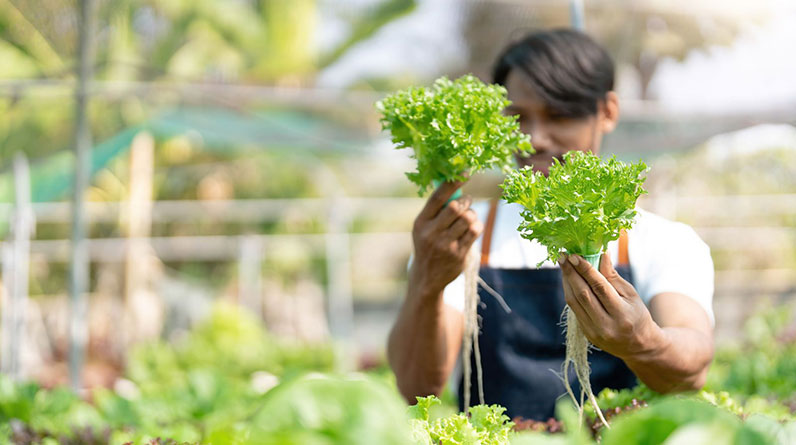
Maximizing yield in hydroponic systems is both an art and a science, requiring a blend of optimal environmental conditions, careful nutrient management, and strategic planning. Achieving a robust harvest depends on understanding the unique needs of the plants, the system employed, and the specific growing environment. Whether you are managing a small home setup or a larger commercial operation, the right strategies can significantly boost productivity and plant health.
Many hydroponic growers face common pitfalls that can hinder their success. One major issue is underestimating the importance of environmental factors such as light, temperature, and humidity. These elements must be meticulously controlled to avoid stress on the plants, which can lead to lower yields. Additionally, a lack of knowledge about nutrient solutions and their timing can result in nutrient deficiencies or toxicities, both of which can severely impact growth. The decision on what to prioritize—whether it’s investing in advanced lighting systems or perfecting your nutrient mix—should be guided by your operational context and goals. Understanding these dynamics will help you navigate the complexities of hydroponic gardening more effectively.
Understanding Plant Needs
Every plant species has unique requirements for growth, and understanding these needs is crucial to maximizing yield. Factors such as pH levels, nutrient uptake, and light exposure play significant roles in plant health and productivity. Each crop will have specific growth stages that require varying amounts of nutrients and light, which can determine the overall success of a hydroponic system.
Failing to tailor your approach to the specific crops you are growing can lead to suboptimal results. For instance, leafy greens like lettuce thrive under different conditions compared to fruiting plants like tomatoes. Prioritizing research on the specific plants you want to cultivate will help you avoid common mistakes such as over-fertilization or inadequate lighting. A smart approach involves keeping a close eye on plant health indicators and adjusting your practices based on real-time feedback.
Optimizing Nutrient Solutions
Nutrient management is at the heart of hydroponic success. A balanced nutrient solution is essential for healthy plant growth, but achieving this balance can be tricky. It’s crucial to understand the role of macronutrients (like nitrogen, phosphorus, and potassium) and micronutrients (such as iron and manganese) in plant development. An imbalanced nutrient solution can lead to nutrient lockout, where plants cannot absorb necessary elements, or nutrient burn, where an excess of nutrients causes damage.
When designing your nutrient delivery system, consider your budget and the scale of your operation. Smaller systems may benefit from ready-made nutrient solutions or simpler DIY mixes, while larger operations might require more complex formulations tailored to specific crops. Regular testing and adjustments based on plant response will help ensure your system remains in balance, reducing waste and enhancing yield.
Environmental Control Techniques
Creating and maintaining the right environment for your hydroponic system is critical for maximizing yield. Factors such as light intensity, spectrum, temperature, and humidity directly affect plant growth. For instance, while high-intensity lighting can enhance photosynthesis, it can also lead to overheating if not managed properly. Conversely, inadequate lighting can stunt growth and reduce yields.
Investing in automated systems for climate control can be beneficial, especially for larger operations. However, for smaller setups, careful manual monitoring and adjustment may suffice. Regularly assess environmental conditions, as fluctuations can lead to plant stress and decreased yield. A well-balanced environment can significantly enhance the productivity of your hydroponic system.
System Design and Maintenance
The design and maintenance of your hydroponic system can greatly influence your yield potential. Whether you choose a deep water culture, nutrient film technique, or aeroponics, each system has its own benefits and challenges. Understanding the operational requirements and maintenance needs of your chosen system will help you avoid common failures and inefficiencies.
For example, systems that are poorly designed may result in uneven water distribution, leading to some plants receiving too much while others receive too little. Regular maintenance, including checking for clogs, leaks, and ensuring that all components are functioning correctly, is essential. Additionally, consider your skill level and available time when deciding on a system; more complex setups may offer higher yields but require greater expertise and time investment.
Frequently Asked Questions
What is the best hydroponic system for beginners?
Deep water culture systems are often recommended for beginners due to their relatively simple setup and maintenance requirements.
How often should I change the nutrient solution?
Nutrient solutions should typically be changed every two to three weeks, depending on plant growth stages and system type.
Can I use tap water for hydroponics?
Tap water can be used, but it’s essential to test for chlorine and other chemicals that may affect nutrient absorption and plant health.
What common mistakes should I avoid in hydroponics?
Over-fertilization and poor environmental control are among the most common mistakes that can lead to reduced yields.
How can I increase light efficiency in my system?
Using reflective materials and ensuring proper light placement can significantly enhance light efficiency in your hydroponic setup.
Further Reading
Authoritative Sources
- EPA Safe Pest Control
epa.govOfficial information for safer pest-management decisions.
- USDA National Agricultural Library
nal.usda.govAgricultural and plant-science research resources.
- USDA NRCS Soil Resources
nrcs.usda.govOfficial soil health, conservation, and water-management information.
- Cooperative Extension Gardening Resources
extension.orgResearch-based gardening, soil, plant-care, and home-growing education.
Conclusion
Boosting yield in hydroponic systems requires a comprehensive understanding of plant needs, nutrient management, environmental control, and system design. Start by prioritizing the specific requirements of your chosen crops and tailor your approach accordingly. Regular monitoring and adjustments in your practices will help you avoid common pitfalls and enhance productivity. By focusing on these critical areas, you can significantly improve your hydroponic success and achieve the yields you desire.