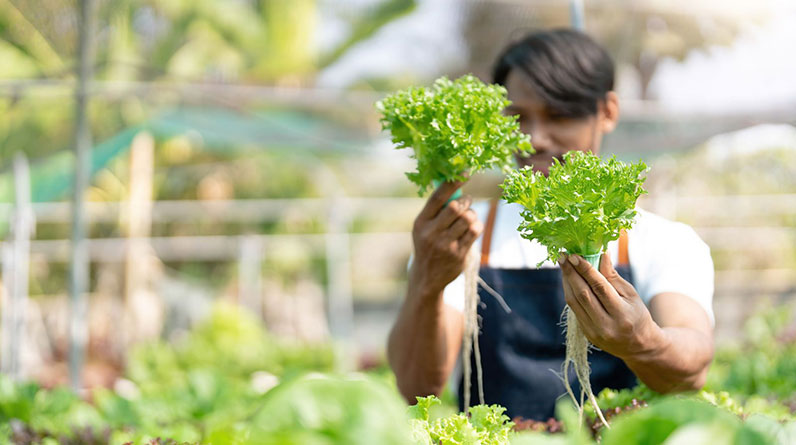
Growing peppers in hydroponic systems can be a rewarding venture, offering the opportunity for a bountiful harvest in a controlled environment. Hydroponics allows for precise management of nutrients and water, which can lead to quicker growth and higher yields compared to traditional soil gardening. However, without proper knowledge and care, aspiring gardeners may face challenges that can undermine their efforts, making it crucial to understand the specific needs of pepper plants within this unique growing method.
The stakes are high when it comes to hydroponic gardening. Many beginners underestimate the importance of pH levels, nutrient concentrations, and environmental conditions, leading to common pitfalls such as nutrient burn, poor pollination, or disease. Additionally, the initial investment in hydroponic equipment can be significant, so it is vital to have a solid plan in place to ensure that the system is set up for success. This article aims to guide you through the essential steps and considerations for growing peppers hydroponically, helping you avoid common mistakes and achieve a plentiful harvest.
In this guide, we’ll cover everything from selecting the right pepper varieties and hydroponic systems to managing nutrients and environmental conditions. With careful attention to detail and an understanding of the unique requirements of your plants, you can create a thriving hydroponic garden that produces delicious peppers year-round.
Choosing the Right Hydroponic System for Peppers
Selecting the appropriate hydroponic system is fundamental to your success in growing peppers. There are several systems to choose from, including nutrient film technique (NFT), deep water culture (DWC), and aeroponics. Each system has its advantages and trade-offs, affecting how you manage water, nutrients, and plant support. For instance, NFT is known for its efficient use of water and nutrients, but it requires constant monitoring to prevent pump failures that could lead to plant stress.
When choosing a system, consider your available space, budget, and level of commitment. DWC systems, while more forgiving for beginners, require more space and can be more challenging to manage in terms of oxygenation and nutrient levels. On the other hand, aeroponics can produce rapid growth but may require more advanced knowledge to maintain the right misting conditions. Prioritize systems that align with your experience level and the size of your growing area to avoid overwhelming yourself with complex setups.
Selecting Pepper Varieties Suited for Hydroponics
Not all pepper varieties thrive equally in hydroponic systems. Choosing the right type can significantly impact your success and yield. Common varieties such as bell peppers, jalapeños, and chili peppers can all be grown hydroponically, but some are more forgiving than others. For beginners, bell peppers are often recommended due to their adaptability and robust nature.
As you select your pepper varieties, consider their growth habits and space requirements. Determinate varieties, which have a set growth pattern, can be easier to manage in confined spaces, while indeterminate types may require more vertical space and support structures. Additionally, consider your regional climate and how it may influence growth rates; certain varieties may flourish in warmer environments, while others might struggle. By making informed choices, you can set your hydroponic garden up for success right from the start.
Nutrient Management for Hydroponic Peppers
Nutrient management is a critical aspect of hydroponic gardening that directly influences the health and productivity of your pepper plants. Hydroponics relies on nutrient solutions to provide essential elements, so understanding how to mix and apply these solutions is key. A balanced nutrient mix tailored for peppers typically includes nitrogen, phosphorus, potassium, calcium, magnesium, and trace elements.
One common mistake is over-fertilizing, which can lead to nutrient burn and stunted growth. To avoid this, start with a diluted nutrient solution and gradually increase the concentration as your plants mature. Regularly testing the pH and electrical conductivity (EC) of your nutrient solution will help you maintain optimal conditions. Ideally, the pH should be between 5.5 and 6.5, while the EC level tells you how concentrated your nutrient solution is. Monitoring these parameters will help you prevent deficiencies or toxicities, ensuring that your plants receive the right amount of nutrients for vigorous growth.
Environmental Considerations for Optimal Growth
Creating an ideal growing environment is essential for the success of your hydroponic peppers. Factors such as light, temperature, humidity, and air circulation play a significant role in plant health. Peppers typically thrive in temperatures between 70°F and 85°F during the day and slightly cooler at night. Maintaining consistent temperatures is crucial, as fluctuations can stress the plants and affect yield.
Lighting is another critical component of hydroponic gardening. If you’re growing indoors, consider using full-spectrum LED grow lights, which can be adjusted to provide the right intensity and duration for your plants. Aim for 14 to 16 hours of light per day during the vegetative stage, followed by 12 to 14 hours during flowering. Additionally, ensure adequate air circulation to prevent mold and pests; a small fan can help keep air moving and maintain humidity levels.
For those looking to deepen their understanding of hydroponic gardening, consider exploring resources from reputable gardening organizations or universities. These sources can provide in-depth information on advanced techniques, pest management, and crop rotation strategies that can enhance your hydroponic pepper-growing experience.
Frequently Asked Questions
What is the best hydroponic system for growing peppers?
The best system often depends on your experience level and space. Deep water culture (DWC) is user-friendly for beginners, while nutrient film technique (NFT) is efficient for experienced growers.
How often should I change the nutrient solution in a hydroponic system?
Typically, change the nutrient solution every two to three weeks, but monitor the plants and solution concentration for signs of depletion or imbalance.
Can I use tap water in my hydroponic system?
Tap water can be used, but it should be tested for pH and chlorine levels. Adjustments may be necessary to ensure optimal growing conditions.
What temperature is ideal for growing peppers hydroponically?
Peppers generally grow best in temperatures between 70°F and 85°F during the day, with cooler temperatures at night to encourage flowering.
How long does it take for hydroponic peppers to produce fruit?
Hydroponic peppers can start producing fruit within 60 to 90 days after planting, depending on the variety and growing conditions.
Conclusion
Growing peppers hydroponically offers an exciting opportunity to cultivate fresh produce year-round. Prioritizing the right hydroponic system, selecting suitable pepper varieties, managing nutrients effectively, and creating an optimal growing environment are all critical steps toward achieving your gardening goals. By avoiding common pitfalls and understanding the specific needs of your plants, you can enhance your chances of a successful and bountiful harvest. Start with small, manageable steps, and enjoy the process of learning and growing in your hydroponic garden.