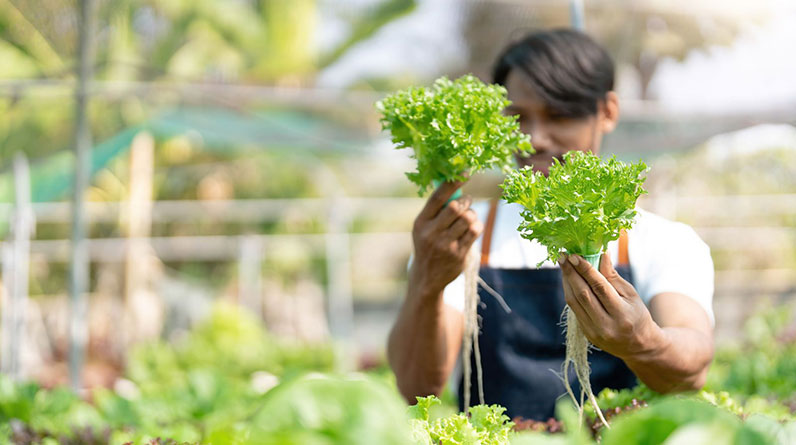
Growing herbs hydroponically is a rewarding way to cultivate flavorful, fresh ingredients indoors, regardless of your outdoor space. This method involves using nutrient-rich water solutions instead of soil, allowing for faster growth and a more controlled environment. By mastering hydroponic techniques, you can enjoy a vibrant herb garden year-round, elevating your culinary creations and enhancing your home’s ambiance.
However, many novice growers overlook essential considerations that can lead to disappointing results. Common pitfalls include inadequate light, poor nutrient management, and improper pH levels. Each of these factors can drastically hinder growth, resulting in weak or flavorless herbs. Understanding how to balance these elements is crucial for successful hydroponic herb cultivation, particularly if you’re trying to make the most of limited space or budget constraints.
Realistically, the hydroponic journey involves trade-offs that vary based on your experience level, available resources, and specific herb preferences. Beginners might prioritize simple systems that require less technical knowledge, while seasoned growers might experiment with more complex setups to maximize yield. Taking the time to research and plan your approach can save you from costly mistakes and ensure that your indoor herb garden thrives.
Choosing the Right Hydroponic System
Selecting the appropriate hydroponic system is fundamental to your success. Various systems exist, including Deep Water Culture (DWC), Nutrient Film Technique (NFT), and Aeroponics, each with its own set of advantages and challenges. DWC is popular among beginners due to its simplicity and ability to support fast growth. In contrast, NFT requires a bit more technical knowledge but can yield higher results once mastered.
Your choice should reflect your skill level, budget, and space availability. For instance, a DWC setup may be perfect for a small apartment, requiring only a bucket, air pump, and a few other supplies. However, if you’re aiming for a larger yield and have the knowledge to manage it, exploring NFT or Aeroponics might be worthwhile. Be mindful that the more complex the system, the higher the maintenance and monitoring requirements, which can be daunting for newcomers.
Essential Nutrients and pH Management
<pNutrients play a pivotal role in hydroponics as they replace the nutrients that soil would typically provide. Key elements include nitrogen, phosphorus, potassium, calcium, magnesium, and trace minerals. It is critical to use a balanced nutrient solution tailored for herbs, as they have specific needs that differ from other plants.
Monitoring pH levels is equally crucial; most herbs thrive in a pH range of 5.5 to 6.5. Deviating from this range can lead to nutrient lockout, where plants cannot absorb the nutrients they need, resulting in stunted growth or poor flavor. Regularly testing your nutrient solution’s pH and adjusting it as necessary is a simple yet effective way to ensure your herbs flourish. Consider investing in a quality pH meter and nutrient solution specifically designed for hydroponics to streamline this process and avoid common missteps.
Lighting Considerations for Indoor Growth
<pLight is a non-negotiable factor in successful hydroponic herb cultivation. While natural sunlight can suffice for some, many indoor growers find that artificial grow lights offer more reliable results. LED grow lights are particularly favored for their energy efficiency and ability to provide the full spectrum of light needed for photosynthesis.
<pWhen selecting lighting, consider the specific light requirements of the herbs you’re growing. For instance, basil thrives in bright light and may require 12-16 hours of light daily, while mint can manage with slightly less. The height and distance of the lights from the plants are also critical; too far can result in leggy growth, while too close can cause burning. Investing in adjustable lights can help you tailor the setup as your herbs grow, ensuring they receive optimal light exposure throughout their lifecycle.
Common Herbs and Their Hydroponic Needs
<pDifferent herbs have varying growth requirements and can thrive better in certain hydroponic setups. Popular choices for hydroponic gardening include basil, cilantro, parsley, and mint. Each has its unique preferences for light, nutrients, and water levels, which can influence your overall system design.
For example, basil requires ample light and nutrient-rich water, making it an ideal candidate for DWC systems. On the other hand, cilantro prefers cooler temperatures and can struggle in overly warm conditions. Understanding these nuances can help you choose the right herbs for your hydroponic setup and maximize your chances of success. Start with a few varieties that are known to do well in hydroponics and gradually expand your garden as you grow more confident.
Frequently Asked Questions
Can I grow any herb using hydroponics?
While most herbs can be grown hydroponically, some, like basil and mint, tend to thrive better than others. It’s essential to research each herb’s specific needs.
How often should I change my nutrient solution?
Generally, it’s advisable to change your nutrient solution every 1-2 weeks to prevent nutrient imbalance and buildup of harmful pathogens.
What type of grow lights are best for herbs?
LED grow lights are often the best choice due to their energy efficiency and ability to provide the full light spectrum that herbs need for growth.
How much space do I need for a hydroponic herb garden?
Space requirements vary based on the system you choose. A simple DWC setup can fit on a kitchen countertop, while larger systems may need more room.
Is hydroponic gardening expensive?
Initial setup costs can be higher than traditional gardening, but hydroponics can save money on water and nutrients over time, making it cost-effective in the long run.
Conclusion
Successfully growing herbs hydroponically requires careful planning and consideration of multiple factors, including system choice, nutrient management, and lighting. By understanding the unique needs of each herb and prioritizing the elements that matter most, you can create a thriving indoor garden. Start with a few manageable herbs, keep learning, and adapt your approach as you gain experience. With dedication and the right techniques, you can master indoor hydroponic gardening and enjoy fresh herbs right from your home.