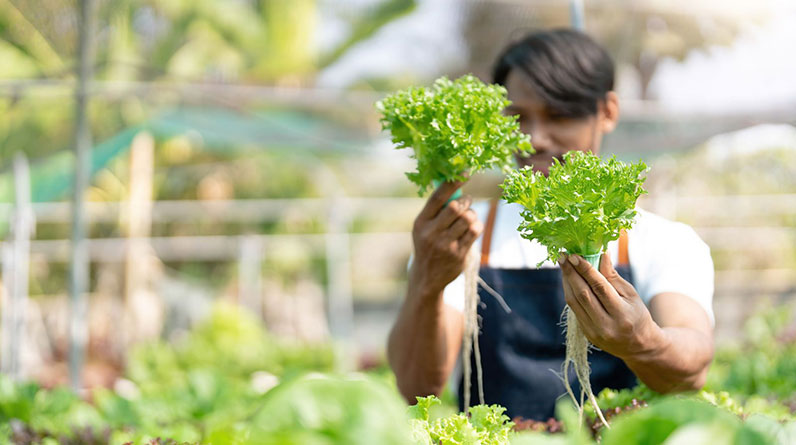
Hydroponic gardening offers a unique opportunity to grow plants in a soil-free environment, making it ideal for indoor settings. The choice of plants significantly influences the success of your hydroponic system. Some plants thrive in these conditions, while others struggle. If you’re looking to cultivate a thriving indoor garden, it’s essential to select plants that not only flourish in hydroponic systems but also align with your gardening goals, available space, and skill level.
Many beginners mistakenly assume that all plants can be effectively grown hydroponically, leading to frustration and disappointment. Common pitfalls include selecting species that require specific conditions or have longer growth cycles than expected, which can be discouraging when results are delayed. Understanding the environmental needs and growth habits of potential plants will help you make informed decisions. Additionally, consider your budget and the setup of your hydroponic system, as these factors will dictate which plants are most suitable for your indoor garden.
Choosing the Right Hydroponic System
The first step in successful hydroponic gardening is selecting the right system. Options range from deep water culture (DWC) to nutrient film technique (NFT) and aeroponics. Each system has unique requirements and benefits, and your choice should reflect the plants you wish to grow and the space you have available. For instance, DWC systems are excellent for leafy greens, while NFT is more suited for herbs and small fruiting plants.
When choosing a system, consider your skill level and the time you can dedicate to maintenance. Some systems require more attention and monitoring than others. A common mistake is to select a complex system without understanding its demands, which can lead to frustration. Prioritize ease of use if you’re a beginner, as simpler systems often yield better results while you learn the ropes of hydroponic gardening.
Top Plants for Hydroponic Growing
Certain plants naturally adapt to hydroponic systems more easily than others. Leafy greens such as lettuce and spinach are particularly well-suited due to their short growth cycles and low nutrient requirements. Herbs like basil, mint, and cilantro also perform exceptionally well, providing fresh flavors for your kitchen without the need for extensive care.
Fruiting plants can be more challenging but rewarding. Strawberries and tomatoes have been successfully grown hydroponically, although they require more attention to nutrient levels and environmental conditions. A common misconception is that all plants can thrive equally in hydroponic systems; however, fruits need a careful balance of light, water, and nutrients. Assess your environment and choose plants that not only fit your culinary needs but also your ability to manage their specific requirements.
Managing Nutrients and pH Levels
Success in hydroponic gardening heavily depends on effective nutrient management. Unlike soil gardening, where nutrients are naturally available, hydroponics requires you to deliver a balanced nutrient solution directly to the plants. This involves understanding the specific nutrient needs of your chosen plants and regularly monitoring their intake.
Additionally, maintaining the correct pH level (generally between 5.5 and 6.5 for most plants) is crucial. A pH imbalance can lead to nutrient lockout, where plants cannot absorb essential nutrients, resulting in poor growth or disease. Many beginners overlook this aspect, assuming that providing nutrients alone is sufficient. Invest in a good pH meter and nutrient solution tailored to your plants’ needs, and get into the habit of regular testing to avoid costly mistakes.
Common Mistakes to Avoid
Even the most enthusiastic indoor gardeners can fall into traps that hinder their success. One major mistake is overwatering; hydroponic systems are designed to supply water efficiently, and excess moisture can lead to root rot and other issues. Another common error is neglecting to monitor light levels. Insufficient light can stunt growth, while too much can scorch delicate leaves. Understand the light requirements of your chosen plants and adjust your setup accordingly.
Additionally, many new hydroponic gardeners underestimate the importance of cleanliness. Algae and bacteria can thrive in moist environments, affecting plant health. Regular cleaning of your hydroponic system will help prevent disease and ensure that your plants grow strong and healthy. Recognizing these pitfalls early on can save time and resources and lead to a more fruitful indoor garden.
Frequently Asked Questions
What are the easiest plants to grow hydroponically?
Leafy greens like lettuce and spinach, as well as herbs such as basil and cilantro, are among the easiest plants to grow hydroponically.
Can I grow fruiting plants in a hydroponic system?
Yes, but they require more attention to nutrient levels and environmental conditions. Tomatoes and strawberries are popular choices.
How often should I check nutrient levels?
It’s best to check nutrient levels at least once a week, adjusting as necessary based on the growth stage of your plants.
Is it necessary to use grow lights?
Yes, if natural light is insufficient, grow lights will ensure your plants receive the necessary light for photosynthesis.
What is the best pH level for hydroponic plants?
The ideal pH level for most hydroponic plants is between 5.5 and 6.5 to ensure optimal nutrient absorption.
Conclusion
Successfully elevating your indoor garden with hydroponic plants requires careful planning and consideration. Prioritize selecting the right system and plants that match your skill level and available resources. Regularly monitor nutrient levels and pH to avoid common pitfalls that can hinder growth. By making informed decisions and being proactive in managing your hydroponic environment, you can enjoy a bountiful harvest of fresh greens and herbs right from your home.