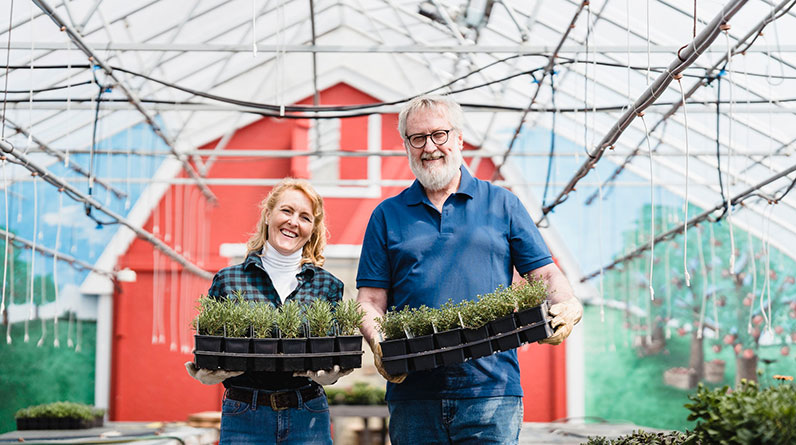
Growing organic hydroponic tomatoes can be a rewarding venture that allows you to enjoy fresh, flavorful produce right at home. Unlike traditional gardening, hydroponics offers a soil-less method that can yield higher quantities of tomatoes in a shorter time. With the right system and care, you can cultivate delicious, organic tomatoes that are not only good for you but also environmentally friendly.
However, many aspiring hydroponic gardeners encounter pitfalls that can lead to disappointing results. Common mistakes include overcomplicating the setup, neglecting nutrient balance, and failing to monitor environmental conditions. Understanding these challenges is crucial; for instance, many assume that hydroponics requires less work than soil gardening, but it demands careful attention to water quality, pH levels, and light conditions. Prioritizing these factors early on will set you up for success and maximize your home harvest.
As you embark on this journey, consider your space, budget, and level of expertise. Beginners may find simpler systems more manageable, while experienced gardeners might seek advanced setups for higher yields. In essence, tailoring your approach to your specific context and maintaining a consistent care routine are key to mastering the art of flavor in organic hydroponic tomatoes.
Choosing the Right Hydroponic System
The foundation of successful hydroponic tomato cultivation starts with selecting an appropriate system. There are several types of hydroponic setups, including Nutrient Film Technique (NFT), Deep Water Culture (DWC), and Ebb and Flow systems. Each has its pros and cons, influencing factors like space requirements, initial investment, and maintenance difficulty.
For beginners, a DWC system might be the most accessible choice, as it requires less daily management and allows for straightforward monitoring of nutrient levels. Conversely, NFT systems can yield faster growth but demand meticulous care and more precise control over nutrient flow. The tradeoff here is that while NFT can maximize space efficiency, it can also lead to rapid plant stress if not managed correctly. Understanding your commitment level and the conditions in your growing space will guide you in making the right decision.
Selecting the Best Tomato Varieties
Not all tomato varieties thrive in hydroponic systems, so selecting the right type is crucial. Determinate varieties, such as Roma and Celebrity, are often preferred for hydroponic growing due to their compact growth habits and predictable fruiting patterns. Indeterminate types, like Beefsteak and Cherry tomatoes, can require more space and support as they continue to grow and produce throughout the season.
When choosing varieties, consider your local climate and the specific conditions of your hydroponic setup. Some varieties may be more susceptible to diseases or pests, which can be exacerbated in a hydroponic environment. Additionally, while heirloom tomatoes may appeal due to their flavor, they can sometimes be less robust compared to hybrid varieties. Prioritizing disease resistance and adaptability will enhance your chances of a successful harvest.
Essential Nutrients and pH Management
Nutrient management is one of the most critical aspects of hydroponic tomato cultivation. Unlike soil gardening, where nutrients are naturally present, hydroponic systems require you to provide a balanced nutrient solution that includes essential macro and micronutrients. Key nutrients include nitrogen, phosphorus, potassium, calcium, magnesium, and trace elements like iron and zinc.
Maintaining the correct pH level is equally essential, as it affects nutrient absorption. For tomatoes, the ideal pH range is typically between 5.5 and 6.5. Regularly testing the nutrient solution and adjusting it as necessary will help prevent deficiencies or toxicities that can compromise plant health. Failing to monitor these levels can lead to stunted growth, poor fruit quality, and ultimately, a disappointing harvest. Investing in quality pH meters and nutrient testing kits can save you significant trouble down the line.
Light Requirements and Environmental Control
Tomatoes require ample light for optimal growth and fruiting, typically needing 12 to 18 hours of light daily. In indoor hydroponic setups, using full-spectrum LED or fluorescent grow lights can help replicate natural sunlight. The choice of light source can affect energy consumption and heat production, which in turn influences your overall costs and plant health.
Environmental control doesn’t stop at lighting; temperature and humidity also play critical roles. Tomatoes prefer temperatures between 70°F and 80°F during the day and slightly cooler at night. High humidity can lead to fungal issues, while low humidity can cause blossom drop. Monitoring environmental conditions with sensors can help you make informed adjustments. Ignoring these factors can result in poor growth rates and low yields, so prioritizing a stable growing environment is essential.
Common Challenges and Troubleshooting
Hydroponic gardening, while rewarding, can come with its fair share of challenges. Common issues include nutrient imbalances, algae growth, and pest infestations. Each of these can severely impact your tomatoes’ health and yield. For instance, algae can grow in nutrient solutions that are exposed to light, reducing oxygen availability for the roots and leading to root rot.
To mitigate these risks, regular monitoring and maintenance are vital. This includes checking nutrient levels, adjusting pH, and ensuring that your system is clean and free from debris. Additionally, integrating pest management strategies, such as introducing beneficial insects or using organic pesticides, can help maintain a healthy growing environment. Being proactive about these challenges will save you time and frustration, enhancing your overall experience with hydroponic gardening.
For those looking to deepen their understanding of hydroponic gardening, several authoritative resources can provide additional insights. Exploring university extension services or agricultural departments can often yield valuable research and guidelines tailored to your specific region and needs.
Frequently Asked Questions
What are the best tomato varieties for hydroponic growing?
Determinate varieties like Roma and Celebrity are often recommended due to their compact size and manageable growth patterns.
How often should I check nutrient levels in my hydroponic system?
It’s advisable to check nutrient levels at least once a week to ensure optimal growth and adjust as necessary.
Can I use organic nutrients in hydroponics?
Yes, there are organic nutrient solutions available specifically designed for hydroponic systems, but they may require careful management.
What is the ideal pH for hydroponic tomatoes?
The ideal pH range for hydroponic tomatoes is between 5.5 and 6.5 to ensure optimal nutrient absorption.
How can I prevent pests in my hydroponic garden?
Regular monitoring, maintaining cleanliness, and introducing beneficial insects can help prevent pest outbreaks in hydroponic systems.
Further Reading
Authoritative Sources
- EPA Safe Pest Control
epa.govOfficial information for safer pest-management decisions.
Conclusion
Mastering the art of growing organic hydroponic tomatoes requires attention to detail, patience, and an understanding of the unique challenges this method presents. By carefully selecting your hydroponic system, choosing the right tomato varieties, and managing nutrients and environmental conditions, you can cultivate a bountiful harvest. Stay proactive about monitoring and troubleshooting, as these practices will significantly enhance your success. Whether you’re a novice or an experienced gardener, the rewards of homegrown tomatoes are well worth the effort.