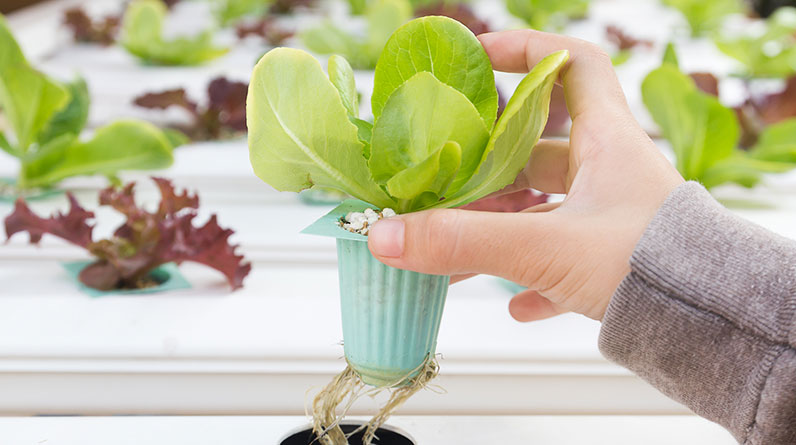
For those looking to cultivate their own food but lacking the outdoor space or ideal soil conditions, beginner organic hydroponic kits offer a compelling solution. These kits provide a controlled, soil-free environment for growing plants, allowing you to produce fresh herbs, vegetables, and even fruits right in your home. When choosing the best beginner organic hydroponic kits, it’s crucial to consider factors such as ease of setup, maintenance requirements, and the specific plants you wish to grow. A good kit should not only make the process accessible but also set you up for long-term success.
However, many newcomers to hydroponics often face common pitfalls that can lead to disappointment. Misunderstanding nutrient needs, overcomplicating the setup, or underestimating the importance of light can derail even the most enthusiastic beginners. It’s essential to prioritize systems that are user-friendly and come with comprehensive guidance. Additionally, considering your household’s size and the space available can influence your choice of kit. For example, a compact system may perform well in a small apartment, while larger kits might be better suited for households with more space and a higher demand for produce.
Understanding Hydroponics Basics
Hydroponics is a method of growing plants without soil, using nutrient-rich water instead. This growing technique allows plants to absorb nutrients directly through their roots, often resulting in faster growth and higher yields compared to traditional gardening. One of the most appealing aspects of hydroponics is its versatility; it can be adapted for indoor growing, making it an excellent choice for urban dwellers or those with limited outdoor access.
For beginners, understanding the different hydroponic systems—such as deep water culture, nutrient film technique, and aeroponics—can help in making informed decisions. Each system has its own advantages and drawbacks in terms of complexity, cost, and maintenance. Beginners should focus on simpler systems, which often utilize pre-packaged kits that include everything needed to get started, minimizing the risk of making costly mistakes early on.
Key Features of a Good Hydroponic Kit
When selecting a hydroponic kit, several key features can significantly impact your experience and success. First and foremost, look for ease of assembly. Kits that come with clear instructions and all necessary components will save you time and frustration. Additionally, consider the system’s capacity; a kit that can support multiple plants is ideal for those wanting to grow a variety of crops.
Another important feature is the nutrient delivery system. Some kits come with pre-mixed nutrients, while others require you to measure and mix solutions. For beginners, kits that include a complete nutrient package can simplify the process. Lastly, think about the lighting. While some kits come with built-in grow lights, others may require you to purchase them separately. Ensure that your chosen system provides adequate lighting for the plants you intend to grow; insufficient light can lead to poor results.
Top Beginner Organic Hydroponic Kits
Several beginner-friendly organic hydroponic kits have garnered positive reviews for their user-friendliness and effectiveness. One highly-rated option is the AeroGarden Harvest, which combines a compact design with built-in grow lights and an easy-to-use nutrient system. This kit is particularly suitable for those with limited space and is ideal for growing herbs and small vegetables.
Another excellent choice is the Hydrofarm Jump Start kit, which includes everything needed to start growing indoors, including a seedling heat mat and a timer for the lights. Its versatility makes it suitable for a variety of plants, from herbs to leafy greens. For those interested in a more traditional approach, the General Hydroponics WaterFarm is a popular drip system that allows for greater experimentation with different plants and growing techniques.
Common Mistakes to Avoid
Many beginners fall into traps that can hinder their success in hydroponics. One prevalent mistake is overwatering or underwatering plants, as the absence of soil can make it difficult to gauge moisture levels. Beginners should familiarize themselves with the specific water needs of their plants and consider investing in moisture sensors for more accurate readings.
Another critical error is neglecting the importance of pH levels. Plants absorb nutrients best at specific pH ranges, and failing to monitor this can lead to nutrient deficiencies. A simple pH testing kit can help you maintain optimal conditions. Additionally, don’t overlook the light requirements for your plants; inadequate lighting is a common reason for poor growth. Ensuring your plants receive sufficient light, either through natural sunlight or grow lights, will significantly enhance your chances of a successful harvest.
Frequently Asked Questions
What plants are best for beginner hydroponics?
Herbs like basil and mint, as well as leafy greens such as lettuce and spinach, are ideal for beginners due to their fast growth and low maintenance needs.
Do I need special lights for hydroponics?
Yes, most hydroponic systems require grow lights, especially if you are growing indoors, as natural sunlight may not be sufficient.
Can I use tap water in my hydroponic system?
While some tap water can be used, it’s essential to test its pH and nutrient content, as high levels of chlorine or other chemicals can harm plant growth.
How often should I change the nutrient solution?
Generally, it’s best to change the nutrient solution every two weeks to ensure optimal nutrient levels and prevent algae growth.
Is hydroponics more expensive than traditional gardening?
While initial costs can be higher due to equipment and setup, hydroponics can lead to savings over time through higher yields and reduced need for pesticides.
Conclusion
Choosing the right beginner organic hydroponic kit is the first step toward a successful indoor garden. Prioritize user-friendly systems that provide clear guidance and essential components. Be aware of common beginner pitfalls, such as neglecting nutrient needs and light requirements, and take proactive measures to avoid them. With the right kit and a bit of diligence, you can enjoy the rewarding experience of growing your own organic produce at home.