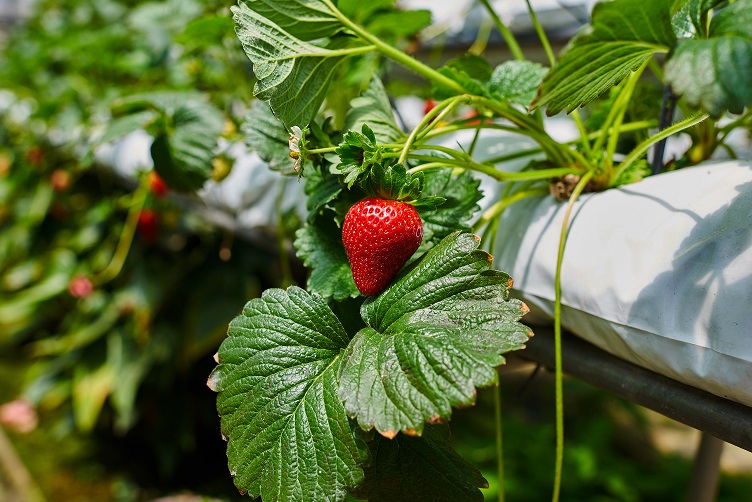
Organic hydroponic gardening in small spaces is a revolutionary approach that merges the benefits of organic farming with the efficiency of hydroponics. This method allows urban dwellers and those with limited space to successfully cultivate a variety of plants right at home. With rising interest in sustainable practices and healthy eating, organic hydroponic gardening in small spaces offers a practical solution for fresh produce, even where traditional gardening is not feasible.
As urban areas grow and land becomes scarce, maximizing yield through organic hydroponic gardening in small spaces becomes increasingly important. This article dives deep into how you can set up your own organic hydroponic garden, the potential pitfalls to watch for, and strategies to enhance your yields. Whether you’re a seasoned gardener or a beginner, you will find actionable insights to help you succeed.
Understanding Organic Hydroponic Gardening in Small Spaces
Organic hydroponic gardening in small spaces involves growing plants without soil, using nutrient-rich water solutions instead. This approach is not only space-efficient but also allows for greater control over the growing environment, leading to faster plant growth and higher yields. Here’s a closer look at what makes this method unique:
What is Hydroponics?
Hydroponics is a method of growing plants in water, often supplemented with mineral nutrient solutions. Unlike traditional gardening, which relies on soil for nutrients, hydroponics allows for a more efficient nutrient delivery system directly to the plant roots.
Benefits of Going Organic
Choosing organic hydroponic gardening means you avoid synthetic fertilizers and pesticides. Benefits include:
– Healthier produce: Organic methods often yield more nutritious fruits and vegetables.
– Environmental impact: Reduces chemical runoff and promotes biodiversity.
– Taste: Many gardeners report better flavor in organically grown produce.
Why Small Spaces?
Living in a small apartment or urban area shouldn’t restrict your ability to grow food. Organic hydroponic gardening in small spaces allows:
– Efficient use of vertical space through stacking systems.
– Flexibility in placement, from balconies to kitchen counters.
– Year-round gardening, irrespective of outdoor conditions.
Setting Up Your Organic Hydroponic Garden
Starting your organic hydroponic garden in small spaces can be straightforward if you follow a few essential steps. Here’s how to get your setup right:
1. Choose the Right Hydroponic System
Several hydroponic systems can work well in small spaces:
– Nutrient Film Technique (NFT): Uses a thin film of nutrient solution that flows over the roots.
– Deep Water Culture (DWC): Plants are suspended in a nutrient solution with air stones providing oxygen.
– Vertical Gardens: Utilize vertical space by stacking plants in towers or shelves.
2. Select Suitable Plants
Not all plants thrive in hydroponic systems. Ideal choices for small spaces include:
– Leafy greens (lettuce, spinach)
– Herbs (basil, cilantro)
– Small fruiting plants (strawberries, cherry tomatoes)
3. Create an Optimal Growing Environment
Consider these factors:
– Lighting: If natural light is limited, invest in LED grow lights for optimal growth.
– Temperature and Humidity: Maintain consistent conditions; most plants prefer temperatures between 65°F to 75°F.
– Nutrient Solutions: Use organic nutrients specifically formulated for hydroponics.
Common Challenges in Organic Hydroponic Gardening in Small Spaces
While organic hydroponic gardening in small spaces has many advantages, it can also present unique challenges. Understanding these can help prevent issues.
Pests and Diseases
Even in a controlled environment, pests can appear. Some common pests include:
– Aphids
– Spider mites
– Whiteflies
To combat these:
– Regularly inspect plants for signs of infestations.
– Use organic pest control methods like neem oil or insecticidal soap.
Nutrient Imbalance
Maintaining the right nutrient balance is crucial. Signs of nutrient deficiency or excess include:
– Yellowing leaves (nitrogen deficiency)
– Brown leaf tips (nutrient burn)
Regularly test your nutrient solution and adjust as necessary to ensure optimal growth.
Water Quality
Water quality can significantly impact plant health. Consider these tips:
– Use distilled or filtered water to avoid chlorine and other contaminants.
– Regularly monitor pH levels; ideally, they should be between 5.5 and 6.5.
Maximizing Your Yield with Organic Hydroponic Techniques
To truly make the most out of your organic hydroponic gardening in small spaces, applying specific techniques can enhance your yield significantly.
Implementing Companion Planting
Companion planting involves growing different plants together to enhance growth. For example:
– Basil and tomatoes are known to benefit each other.
– Lettuce can thrive alongside strawberries, utilizing vertical space efficiently.
Regular Maintenance and Monitoring
Consistent care is essential for high yields. Consider:
– Daily checks on water levels and nutrient concentrations.
– Weekly pruning to encourage better airflow and growth.
Utilizing Technology
Smart gardening devices can help you monitor conditions:
– Sensors can provide real-time data on moisture levels and nutrient concentrations.
– Automated systems can help maintain optimal conditions with minimal effort.
References and Resources
These resources provide valuable information about Organic hydroponic gardening in small spaces. Check them out for additional insights:
Frequently Asked Questions
What is organic hydroponic gardening in small spaces?
Organic hydroponic gardening in small spaces refers to the cultivation of plants without soil, using a nutrient-rich water solution while adhering to organic farming principles. This method is ideal for urban environments where space is limited.
How can I start organic hydroponic gardening in small spaces?
To start, select a suitable hydroponic system like DWC or NFT, choose plants like lettuce or herbs, and ensure you have proper lighting and nutrient solutions. Begin with a small setup to learn the process before expanding.
What common challenges can arise in organic hydroponic gardening in small spaces?
Common challenges include pests, nutrient imbalances, and maintaining water quality. Regular monitoring and prompt action can help manage these issues effectively.
What are the benefits of organic hydroponic gardening in small spaces?
Benefits include the ability to grow fresh produce year-round, efficient use of space, and the health advantages of consuming organic, pesticide-free foods. It also allows for greater control over the growing environment, leading to faster growth rates.
Conclusion
Organic hydroponic gardening in small spaces is a powerful way to grow fresh, healthy food right at home. By understanding the fundamentals and employing effective techniques, you can maximize your yield and enjoy the many benefits this method offers. Start small, learn as you go, and soon enough, you’ll be reaping the rewards of your organic hydroponic garden. Embrace the opportunity to grow your own food sustainably, regardless of your living space constraints.