Instant Answer: Hydroponic farming grows plants in nutrient-rich water instead of soil, allowing for faster growth and higher yields in a controlled environment. It uses less water and land compared to traditional soil gardening, making it more sustainable and efficient. However, hydroponic systems require significant initial investment and technical knowledge to maintain properly. Traditional soil gardening is generally more accessible and less costly upfront but can be more affected by weather and soil quality.
Jump To
- Benefits of Hydroponic Growing for Sustainable Agriculture
- Introduction to Hydroponic Agriculture
- Environmental Benefits of Hydroponic Systems
- Economic Advantages of Hydroponic Farming
- Health and Food Security Benefits
- Water Conservation and Resource Efficiency
- Challenges and Considerations in Hydroponic Farming
- Future Outlook and Innovations
- Conclusion
- Important Questions and Answers
- What are the main advantages of hydroponic growing compared to traditional soil gardening?
- What are the common types of hydroponic systems used for growing vegetables?
- How do I ensure proper nutrient balance in a hydroponic system?
Benefits of Hydroponic Growing for Sustainable Agriculture
Hydroponic growing transforms the way we cultivate food by nurturing plants directly in nutrient-rich water, bypassing the need for soil. This method allows for rapid plant development and impressive yields within a controlled environment, making it an appealing option for sustainable agriculture. By using significantly less water and land, hydroponics offers a more efficient approach that can help address the growing demand for food in a changing climate. However, the technology demands a substantial initial investment and a solid understanding of system management, which can be a barrier for many aspiring growers.
Introduction to Hydroponic Agriculture
Hydroponic farming is an innovative method of growing plants without soil, using nutrient-rich water solutions to deliver essential minerals directly to the roots. This technique has gained popularity among farmers, urban gardeners, and environmentalists due to its potential to revolutionize traditional agriculture. Unlike conventional soil-based farming, hydroponics allows for precise control over plant nutrition, water usage, and environmental conditions, leading to increased efficiency and sustainability.
Environmental Benefits of Hydroponic Systems
One of the most compelling advantages of hydroponic growing is its positive impact on the environment. Traditional agriculture often involves large-scale land use, deforestation, and significant water consumption, which can lead to soil degradation and loss of biodiversity. In contrast, hydroponics minimizes these issues through several key benefits:
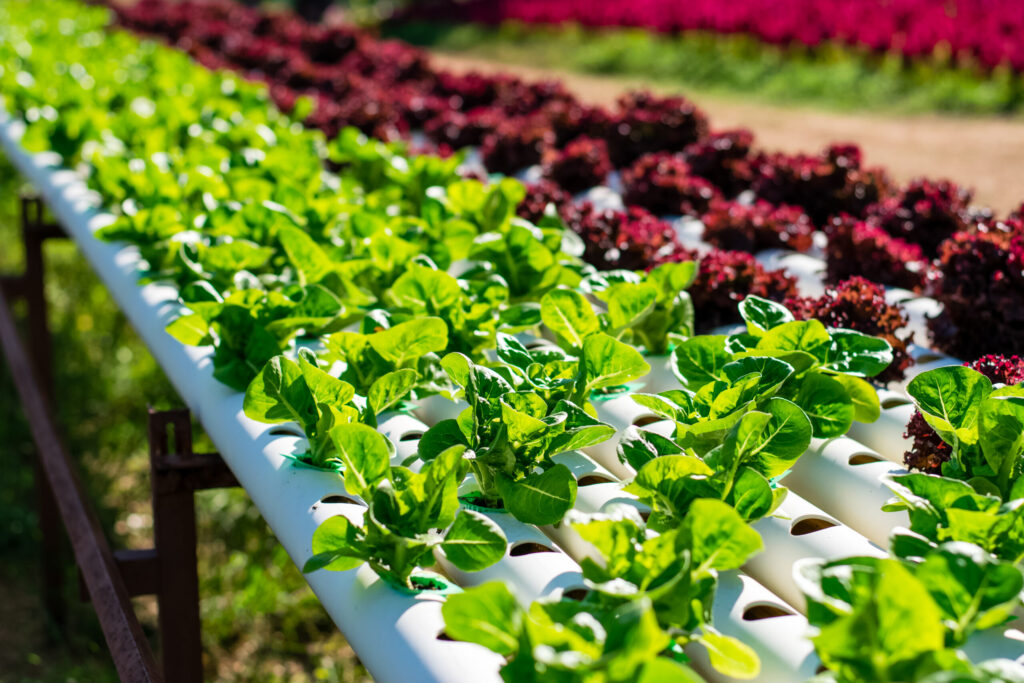
- Reduced Water Usage: Hydroponic systems typically use 70-90% less water than conventional farming because water is recirculated within closed systems. For example, a hydroponic lettuce farm can produce a harvest with significantly less water than traditional fields, conserving vital freshwater resources.
- Less Land Required: Hydroponic setups can be implemented vertically or in small spaces, making it possible to grow large quantities of crops in urban environments or areas with limited arable land. This reduces the need for deforestation and habitat destruction.
- Decreased Pesticide Use: The controlled environment of hydroponic farms reduces the prevalence of pests and diseases, decreasing reliance on chemical pesticides. This leads to healthier ecosystems and safer food products.
- Lower Carbon Footprint: By enabling local food production, hydroponics reduces transportation emissions associated with long-distance food supply chains. Urban hydroponic farms can supply fresh produce directly to nearby markets, cutting down on fossil fuel consumption.
Economic Advantages of Hydroponic Farming
Beyond environmental benefits, hydroponic systems offer significant economic opportunities. They enable farmers and entrepreneurs to produce high-quality crops with faster growth cycles and higher yields, leading to increased profitability:
- Faster Crop Growth: Plants grown hydroponically often mature 25-50% faster than soil-grown counterparts because nutrients are readily available, and environmental conditions are optimized. For example, basil can be harvested in as little as 3-4 weeks in a hydroponic setup, compared to 6-8 weeks traditionally.
- Higher Yields: Controlled environments and precise nutrient delivery result in consistent, high-quality produce. Hydroponic strawberries, for instance, can produce up to 2-3 times more fruit per square foot than traditional fields.
- Year-Round Production: Indoor hydroponic farms are not limited by seasonal changes, allowing continuous crop production. This stability can lead to steady income streams for farmers and supply chain resilience.
- Reduced Labor Costs: Automated systems for watering, nutrient delivery, and climate control decrease manual labor requirements, further improving profit margins.
Health and Food Security Benefits
Hydroponic agriculture also plays a crucial role in enhancing food security and promoting healthier diets:
- Freshness and Nutritional Value: Since hydroponic crops are often grown locally and harvested at peak ripeness, they retain higher nutritional content and flavor. For example, hydroponic tomatoes can have higher vitamin C levels compared to their soil-grown counterparts.
- Reduced Use of Chemicals: The controlled environment minimizes the need for pesticides and herbicides, resulting in cleaner, safer produce for consumers.
- Urban Food Production: Hydroponic farms can be established in urban areas, reducing reliance on distant rural farms and increasing access to fresh produce in food deserts. This can significantly improve community health outcomes.
- Resilience to Climate Change: Hydroponic systems are less vulnerable to extreme weather events such as droughts, floods, or hurricanes, ensuring a stable food supply despite climate variability.
Water Conservation and Resource Efficiency
Water scarcity is a growing global concern, and hydroponic farming offers a sustainable solution by drastically reducing water consumption. Unlike traditional agriculture, where water often seeps into the ground or runs off, hydroponic systems recirculate water, making them highly efficient:
- Closed-Loop Systems: Nutrient solutions are continuously recycled, with excess water filtered and reused, minimizing waste.
- Targeted Nutrient Delivery: Precise application of nutrients reduces runoff and leaching into local waterways, protecting aquatic ecosystems.
- Water Recycling Technologies: Advanced hydroponic setups incorporate sensors and automation to monitor water quality and adjust flow rates, ensuring optimal use.
For example, in arid regions like the Middle East, hydroponic farms have demonstrated the ability to produce fresh vegetables with a fraction of the water required by traditional farming, making agriculture feasible in otherwise inhospitable environments.
Challenges and Considerations in Hydroponic Farming
While the benefits are substantial, successful implementation of hydroponic systems requires careful planning and management. Challenges include:
- Initial Investment: Setting up a hydroponic farm involves costs for equipment, lighting, climate control, and nutrient solutions. However, these costs are decreasing as technology advances and scale increases.
- Technical Knowledge: Farmers need to understand plant nutrition, system maintenance, and environmental controls. Training and access to expert advice are essential for success.
- Energy Consumption: Indoor hydroponic farms often rely on artificial lighting and climate control, which can increase energy use. Incorporating renewable energy sources can mitigate this issue.
- System Management: Maintaining optimal pH levels, nutrient balance, and water quality is critical to prevent disease and ensure healthy plant growth.
Future Outlook and Innovations
The future of hydroponic agriculture is promising, with ongoing innovations aimed at increasing efficiency and sustainability. Developments include:
- Integration with Renewable Energy: Solar panels and wind turbines can power indoor farms, reducing carbon footprints.
- Automation and IoT: Internet of Things (IoT) devices enable real-time monitoring and automated adjustments, reducing labor and improving yields.
- Vertical Farming: Multi-layered hydroponic systems maximize space utilization in urban environments, making high-density food production feasible in city centers.
- Biotechnology: Genetic advancements can produce crop varieties optimized for hydroponic conditions, increasing resilience and nutritional content.
As these technologies mature, hydroponic farming is poised to become a cornerstone of sustainable agriculture, helping to feed a growing global population while conserving vital resources.
Conclusion
Hydroponic growing offers a compelling pathway toward more sustainable, efficient, and resilient agriculture. Its environmental benefits—such as water conservation, reduced land use, and lower pesticide reliance—align with global efforts to combat climate change and preserve biodiversity. Economically, hydroponics can provide higher yields, faster crop cycles, and urban food solutions, making it an attractive option for farmers and entrepreneurs alike. As technology advances and awareness grows, hydroponic systems are set to play a vital role in shaping the future of food production, ensuring that we can meet the nutritional needs of future generations while safeguarding our planet’s resources.
Popular Questions
What are the main advantages of hydroponic growing compared to traditional soil gardening?
Hydroponic growing allows for faster plant growth and higher yields because nutrients are delivered directly to the roots in a controlled environment. It also uses less water than traditional soil gardening, as the water is recirculated within the system. Additionally, hydroponics reduces the risk of soil-borne pests and diseases, making it easier to maintain healthy plants.
What are the common types of hydroponic systems used for growing vegetables?
Common hydroponic systems include nutrient film technique (NFT), deep water culture (DWC), and drip systems. NFT involves a thin film of nutrient solution flowing over the roots, while DWC suspends plant roots in a nutrient-rich oxygenated water solution. Drip systems deliver nutrients directly to each plant’s roots through a network of tubes, making them suitable for larger or more diverse crops.
How do I ensure proper nutrient balance in a hydroponic system?
Maintaining proper nutrient balance involves regularly testing the nutrient solution's pH and electrical conductivity (EC) levels to ensure they are within optimal ranges for the specific plants being grown. Commercially available hydroponic nutrient mixes provide the necessary macro and micronutrients, but it’s important to adjust concentrations based on plant growth stages. Regular monitoring and adjusting of the solution help prevent deficiencies or toxicities that can affect plant health.