Quick Summary: Choose hydroponics if you want a soil-free system focused solely on plant growth, with easier control over nutrients and less complexity. Opt for aquaponics if you're interested in a sustainable system that combines fish and plant cultivation, providing natural fertilizer and reducing waste. Consider your available space, budget, and willingness to maintain fish health when deciding. Both methods can be productive, but aquaponics offers an eco-friendly approach with added biological components.
In This Article
- Build Confidence With Hydroponics vs Aquaponics
- Understanding the Basics of Hydroponics and Aquaponics
- Practical Steps to Build Your Confidence in Hydroponics
- Practical Steps to Build Your Confidence in Aquaponics
- Common Challenges and How to Overcome Them
- Building Your Confidence Through Education and Community
- Popular Questions
- Is hydroponics or aquaponics the more environmentally sustainable system?
- Are hydroponic or aquaponic systems suitable for extensive commercial agriculture?
- What is the main difference between hydroponics and aquaponics?
Build Confidence With Hydroponics vs Aquaponics
Choosing between hydroponics and aquaponics hinges on your priorities for sustainability, complexity, and maintenance. Hydroponics offers a streamlined, soil-free approach that allows precise control over nutrients, making it ideal for those seeking simplicity and efficiency in plant growth. Aquaponics, on the other hand, weaves together fish and plants in a symbiotic dance, creating a more natural, eco-friendly system that recycles waste into fertilizer. While aquaponics demands more attention to fish health and system balance, it rewards with a vibrant, self-sustaining environment that reduces waste and enhances biodiversity. Your decision ultimately depends on how much time, space, and ecological integration you’re ready to invest.
Understanding the Basics of Hydroponics and Aquaponics
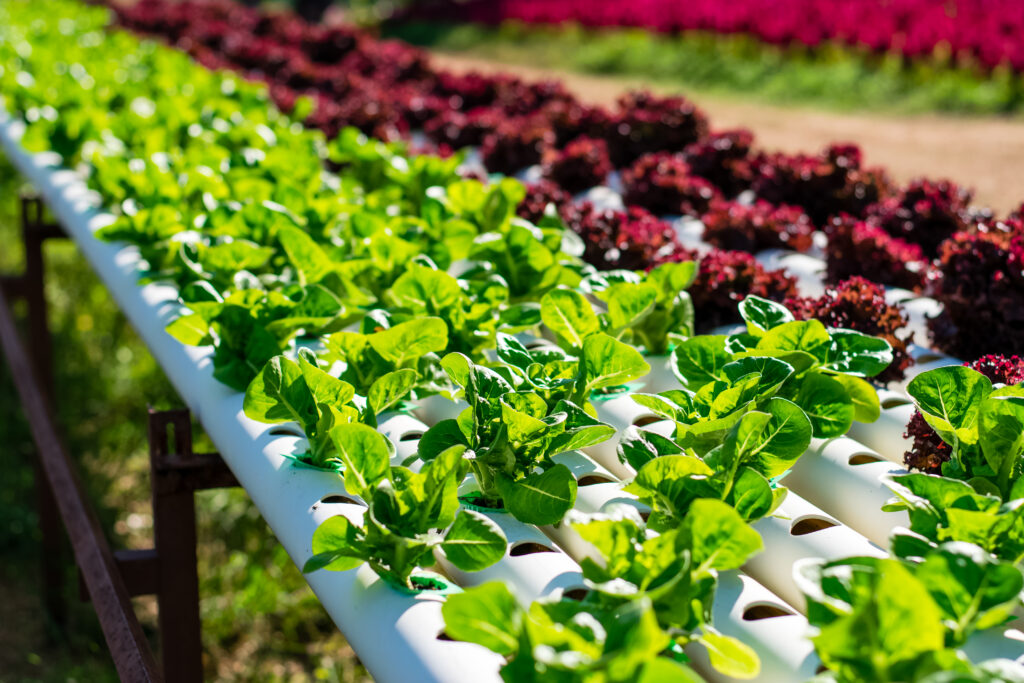
Before diving into the practical steps, it’s essential to grasp the fundamental differences between hydroponics and aquaponics. Hydroponics involves growing plants in nutrient-rich water solutions without soil. This method allows for precise control over nutrients, pH levels, and environmental conditions, often resulting in faster growth and higher yields. For example, lettuce, tomatoes, and herbs like basil thrive in hydroponic systems, making them popular choices for urban farmers and commercial growers alike.
In contrast, aquaponics combines fish farming (aquaculture) with plant cultivation (hydroponics). Fish such as tilapia, trout, or goldfish are kept in tanks, and their waste provides organic nutrients for the plants. The plants, in turn, filter the water, creating a symbiotic environment. This integrated system mimics natural ecosystems, offering a sustainable way to produce both protein and vegetables simultaneously. For instance, a home aquaponic setup might include a fish tank with lettuce, kale, or herbs growing in beds above or beside the tank.
Practical Steps to Build Your Confidence in Hydroponics
1. Start Small and Simple
Begin with a manageable hydroponic system, such as a countertop nutrient film technique (NFT) setup or a simple deep water culture (DWC) bucket. For example, a small DIY system using a plastic storage bin, an air pump, and net pots can be assembled in an afternoon. This approach allows you to learn the basics of water circulation, nutrient delivery, and plant care without feeling overwhelmed.
2. Select the Right Plants
Choose easy-to-grow, fast-growing plants like lettuce, spinach, or herbs such as basil and mint. These plants are forgiving and provide quick results, boosting your confidence. For instance, basil can be harvested in just 3-4 weeks in a hydroponic system, giving you immediate gratification and motivation to expand your setup.
3. Use Quality Nutrients and Monitor pH
Invest in a good hydroponic nutrient solution formulated for leafy greens or herbs. Regularly check the pH of your water, aiming for a range of 5.5 to 6.5, depending on the crop. Use inexpensive pH test kits or digital meters to ensure optimal nutrient uptake. For example, if your pH drifts outside this range, plants may exhibit deficiencies or stunted growth, so timely adjustments are crucial.
4. Maintain Consistent Lighting and Environment
Provide adequate light using grow lights if natural sunlight is insufficient. For indoor setups, LED grow lights with full-spectrum output are energy-efficient and effective. Maintain stable temperature and humidity levels—most leafy greens prefer temperatures between 65-75°F (18-24°C). For example, placing your system near a south-facing window or under grow lights can promote healthy growth.
5. Keep a Growth Log
Document your system’s parameters, plant growth stages, and any issues encountered. This record helps identify patterns and improve your techniques over time. For example, noting that your lettuce grows faster when pH is maintained at 6.0 can guide future adjustments.
Practical Steps to Build Your Confidence in Aquaponics
1. Understand the Ecosystem
Learn about the nitrogen cycle, which is central to aquaponics. Fish produce ammonia, which bacteria convert into nitrites and then nitrates, nutrients that plants absorb. This natural process requires patience and careful monitoring. For example, establishing a new aquaponic system can take 4-6 weeks before plants start thriving, as the beneficial bacteria colonize the system.
2. Choose Suitable Fish and Plants
Select fish species compatible with your climate and system size. Tilapia are popular because they grow quickly and tolerate a range of water conditions, but they require warmer temperatures (75-85°F). For cooler climates, trout or goldfish are better options. Pair these with plants like lettuce, basil, or peppers that grow well in aquaponic systems. For example, a backyard aquaponic setup might include a 100-gallon tank with tilapia and a bed of leafy greens.
3. Set Up the System Properly
Construct a fish tank, a biofilter, and grow beds with media such as clay pellets or gravel. Ensure proper water flow and aeration using pumps and air stones. For example, a simple system might involve a sump tank, a pump to circulate water, and grow beds with media that support bacterial colonization.
4. Maintain Water Quality and Fish Health
Test water parameters regularly—ammonia, nitrites, nitrates, pH, and dissolved oxygen. Keep ammonia and nitrites at zero, and nitrates below 50 ppm. Perform partial water changes if necessary, and avoid overfeeding fish to prevent water quality issues. For example, feeding fish twice daily with only as much as they can consume in a few minutes helps prevent excess waste.
5. Monitor Plant Growth and Adjust Accordingly
Observe plant health, looking for signs of nutrient deficiencies such as yellowing leaves or stunted growth. Adjust fish feeding and system flow rates to optimize nutrient availability. For instance, if plants show deficiencies, increasing fish feed or ensuring better water circulation can improve nutrient delivery.
Common Challenges and How to Overcome Them
- Algae Growth: Excess light or nutrients can promote algae. Control this by limiting light exposure to the system and maintaining proper nutrient levels.
- Water Quality Fluctuations: Regular testing and maintenance are vital. Use water conditioners or biological filters to stabilize parameters.
- Plant or Fish Disease: Quarantine new additions and maintain cleanliness. Use organic treatments when necessary, and remove affected plants or fish promptly.
- System Imbalance: Balance fish load with plant capacity. Start with fewer fish and gradually increase as your system stabilizes.
Building Your Confidence Through Education and Community
Join local gardening clubs, online forums, or workshops focused on hydroponics and aquaponics. Sharing experiences and troubleshooting with others accelerates learning. For example, participating in a community aquaponics project can provide hands-on experience and mentorship from seasoned growers.
Consult reputable sources such as university extension programs or government agricultural departments for research-based guidance. For instance, the USDA offers resources on sustainable farming practices that include soil-less systems.
Remember, patience and persistence are key. Every successful harvest, whether a lush lettuce head or thriving fish, reinforces your confidence and deepens your understanding of these innovative growing methods.
Popular Questions
Is hydroponics or aquaponics the more environmentally sustainable system?
Aquaponics is generally considered more sustainable because it recycles water and nutrients through the fish and plants, reducing the need for external inputs. Hydroponics may require continuous addition of synthetic nutrients, which can have environmental impacts. However, both systems can be environmentally friendly if managed properly, with aquaponics offering an integrated approach that mimics natural ecosystems.
Are hydroponic or aquaponic systems suitable for extensive commercial agriculture?
Yes, both hydroponics and aquaponics can be scaled for commercial farming, but they have different considerations. Hydroponics is often favored for large-scale operations due to its straightforward nutrient management and faster crop growth. Aquaponics can be more complex to manage at scale because it involves maintaining a balanced ecosystem between fish and plants, but it offers the advantage of producing both plant and fish products simultaneously.
What is the main difference between hydroponics and aquaponics?
Hydroponics grows plants in a water-based nutrient solution (no fish involved), while aquaponics pairs plants with fish so the fish waste becomes the nutrient source. Hydroponics gives you direct control over nutrients (pH/EC), but you must mix and manage everything. Aquaponics recycles nutrients naturally, but you also have to manage fish health, biofiltration, and water chemistry to keep the whole ecosystem stable.