Instant Insight: Hydroponics offers faster plant growth, higher yields, and precise nutrient control, but it requires significant energy and water inputs and can be vulnerable to nutrient imbalances. Aquaponics combines fish and plant cultivation, creating a sustainable system that recycles nutrients and reduces waste, but it is more complex to manage and slower to establish. Hydroponics generally demands more technical knowledge and infrastructure, while aquaponics benefits from natural biological processes but may face challenges maintaining balanced ecosystems. Both systems can be environmentally friendly if managed properly, but aquaponics tends to be more sustainable overall.
Jump To
- Comparing the Benefits and Challenges of Hydroponics and Aquaponics Systems
- Introduction to Hydroponics and Aquaponics
- Benefits of Hydroponics
- Challenges of Hydroponics
- Benefits of Aquaponics
- Challenges of Aquaponics
- Comparative Analysis: Which System Is Right for You?
- Environmental and Economic Considerations
- Practical Tips for Implementation
- Conclusion
- Important Questions and Answers
- Can hydroponics support a wider variety of crops than aquaponics?
- What is hydroponics vs aquaponics and how does it work?
- How do you get started with hydroponics vs aquaponics?
Comparing the Benefits and Challenges of Hydroponics and Aquaponics Systems
Hydroponics and aquaponics each offer compelling visions of sustainable farming, but they do so through markedly different pathways. Hydroponics delivers rapid growth and bountiful yields by delivering nutrients directly to plant roots, yet it demands a steady supply of energy and meticulous management to prevent imbalances. Aquaponics, on the other hand, weaves together fish and plants in a delicate dance of biological harmony, creating a system that recycles nutrients and minimizes waste, though it requires patience and careful ecosystem balancing. While hydroponics leans heavily on technical infrastructure, aquaponics draws strength from natural processes, making it a more environmentally integrated approach—if managed with precision. Both methods hold promise for greener agriculture, but their distinct challenges shape how they can be best utilized in different contexts.
Introduction to Hydroponics and Aquaponics
As urban agriculture and sustainable farming practices gain popularity, hydroponics and aquaponics stand out as innovative solutions that maximize space, conserve water, and reduce the need for chemical inputs. Both systems allow growers to cultivate crops in controlled environments, but they differ significantly in their mechanisms, benefits, and challenges.
Hydroponics involves growing plants in nutrient-rich water solutions without soil. This method allows for precise control over nutrient delivery, leading to faster growth rates and higher yields. For example, commercial lettuce farms using hydroponic systems can produce up to 10 times more produce per square foot compared to traditional soil farming.
In contrast, aquaponics combines fish farming (aquaculture) with plant cultivation in a symbiotic environment. Fish waste provides organic nutrients for plants, which in turn purify the water for the fish. This integrated approach creates a self-sustaining ecosystem that mimics natural processes, making it an appealing choice for eco-conscious growers.
Benefits of Hydroponics
- Faster Crop Growth: Because nutrients are delivered directly to the roots, plants grow more quickly. For instance, basil grown hydroponically can reach harvest size in 3-4 weeks, compared to 6-8 weeks in soil.
- Higher Yields: Controlled environments and optimized nutrient delivery often result in increased productivity. Commercial tomato growers report yields up to 30% higher than traditional methods.
- Water Efficiency: Hydroponic systems typically use 70-90% less water than soil-based agriculture, as water is recirculated and reused within the system.
- Space Optimization: Vertical hydroponic setups allow for dense planting, making them ideal for urban settings with limited space.
- Reduced Pest and Disease Pressure: Growing in controlled environments minimizes exposure to soil-borne pests and diseases, reducing the need for chemical pesticides.
Challenges of Hydroponics
- High Initial Investment: Setting up a hydroponic system requires purchasing equipment such as pumps, grow trays, lighting, and nutrient solutions, which can be costly.
- Technical Knowledge Required: Maintaining optimal pH, nutrient levels, and environmental conditions demands a certain level of expertise and regular monitoring.
- Power Dependence: Many hydroponic systems rely on electricity for pumps and lighting, making them vulnerable to power outages.
- Risk of Nutrient Imbalances: Incorrect nutrient formulation or imbalances can lead to deficiencies or toxicities, affecting plant health.
Benefits of Aquaponics
- Eco-Friendly and Sustainable: By integrating fish and plants, aquaponics creates a closed-loop system that minimizes waste and reduces reliance on external inputs.
- Dual Production: Growers can harvest both fish (such as tilapia, trout, or catfish) and vegetables (like lettuce, herbs, or peppers), diversifying income streams.
- Water Conservation: Aquaponics uses approximately 90% less water than traditional soil farming, as water is continuously recirculated through the system.
- Reduced Chemical Use: The natural biological processes reduce the need for synthetic fertilizers and pesticides, producing cleaner, organic produce.
- Educational and Community Engagement: Aquaponic systems serve as excellent educational tools, demonstrating ecological principles and sustainable practices to students and community members.
Challenges of Aquaponics
- Complex System Management: Maintaining a balanced ecosystem requires understanding both aquaculture and horticulture, including fish health, water quality, and plant nutrition.
- Initial Setup Costs: Establishing an aquaponic system involves investments in tanks, plumbing, filtration, and fish stock, which can be substantial.
- Fish Health and Disease Management: Fish are susceptible to diseases that can quickly spread and impact the entire system, requiring vigilant monitoring and management.
- Limited Crop Selection: Not all plants thrive in aquaponic systems; leafy greens and herbs are most common, while root vegetables and larger fruits may be less suitable.
- Environmental Sensitivity: Changes in temperature, pH, or oxygen levels can disrupt the delicate balance, leading to system failure if not properly managed.
Comparative Analysis: Which System Is Right for You?
Choosing between hydroponics and aquaponics depends on your goals, resources, and level of expertise. Here are some considerations to help you decide:
For Beginners and Small-Scale Growers
If you’re new to controlled environment agriculture, hydroponics might be the more straightforward option. Its simpler setup and well-established protocols make it easier to learn and manage. For example, home gardeners interested in growing herbs like basil, mint, and cilantro can start with a small hydroponic kit that requires minimal maintenance.
For Eco-Conscious and Diversified Producers
Aquaponics appeals to those seeking sustainability and dual income streams. Community gardens or small farms aiming to produce both fish and vegetables can benefit from the system’s efficiency. For instance, urban farmers in cities like San Francisco or New York have successfully integrated aquaponics to supply local restaurants with fresh greens and fish, reducing their carbon footprint.
For Commercial Operations
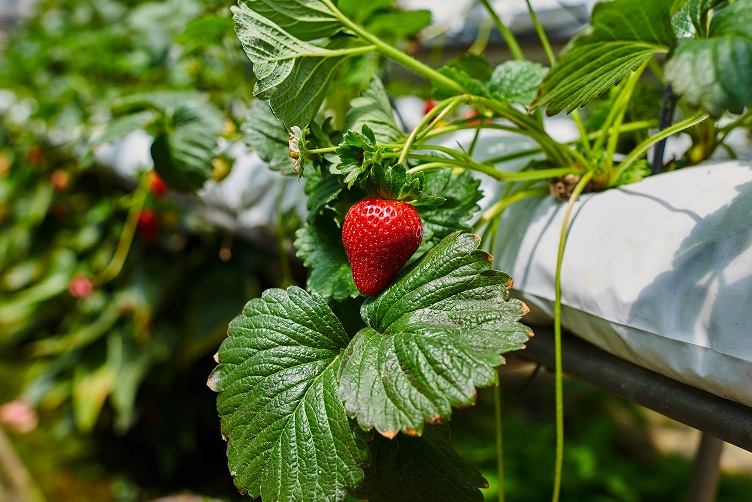
Large-scale hydroponic farms focusing on high-value crops such as strawberries, lettuce, or microgreens often invest heavily in automation and environmental controls. Conversely, aquaponic farms may prioritize organic certification and sustainability branding, appealing to eco-conscious consumers. Companies like Gotham Greens have expanded their hydroponic operations to multiple urban locations, demonstrating the scalability of these systems.
Environmental and Economic Considerations
Both systems offer significant environmental benefits over traditional agriculture, primarily through water conservation and reduced chemical inputs. However, the economic viability depends on factors such as crop selection, market demand, and operational costs. Hydroponic systems tend to have higher startup costs but can yield faster returns due to rapid crop turnover. Aquaponics, while potentially more sustainable, requires ongoing management of both plant and fish health, which can increase labor costs.
Practical Tips for Implementation
- Assess Your Space and Resources: Measure available space and consider whether you have access to electricity, water, and a stable environment.
- Start Small: Begin with a manageable system to learn the nuances before scaling up. For example, a countertop herb garden or a small fish and vegetable setup can provide valuable experience.
- Invest in Education and Training: Attend workshops, online courses, or consult with experienced growers to understand system maintenance and troubleshooting.
- Monitor Regularly: Keep track of pH, nutrient levels, water temperature, and oxygenation to prevent system imbalances.
- Plan for Contingencies: Have backup power supplies and disease management protocols in place to mitigate risks.
Conclusion
Both hydroponics and aquaponics offer innovative pathways toward sustainable, efficient food production. Hydroponics excels in rapid growth, high yields, and simplicity, making it suitable for beginners and commercial growers alike. Aquaponics, with its ecological benefits and dual production potential, appeals to those committed to sustainability and environmental stewardship. Carefully evaluating your goals, resources, and expertise will help determine which system aligns best with your needs. Embracing these technologies can contribute significantly to local food security, reduce environmental impact, and foster a deeper connection to sustainable farming practices.
Popular Questions
Can hydroponics support a wider variety of crops than aquaponics?
Yes, hydroponics can typically support a broader range of crops because it does not depend on fish health or specific aquatic conditions. It allows for precise control over nutrient levels, making it suitable for various vegetables and herbs. Aquaponics may be limited by the needs of the fish and the balance required for both plants and aquatic animals.
What is hydroponics vs aquaponics and how does it work?
Hydroponic growing raises plants without soil by feeding roots a nutrient-rich water solution. The system (DWC, NFT, drip, etc.) delivers water, nutrients, and oxygen to the root zone in a controlled way. When you keep pH and EC stable, plants can grow quickly and consistently. It works well in small spaces because you can control light and climate.
How do you get started with hydroponics vs aquaponics?
For best results, keep your hydroponic system stable: clean water, consistent oxygenation, and regular pH/EC checks. Make small changes, give the system time to mix, and record what you did so you can repeat what works. Stable conditions reduce stress and improve yield. If problems appear, check pH first, then EC, then temperature.