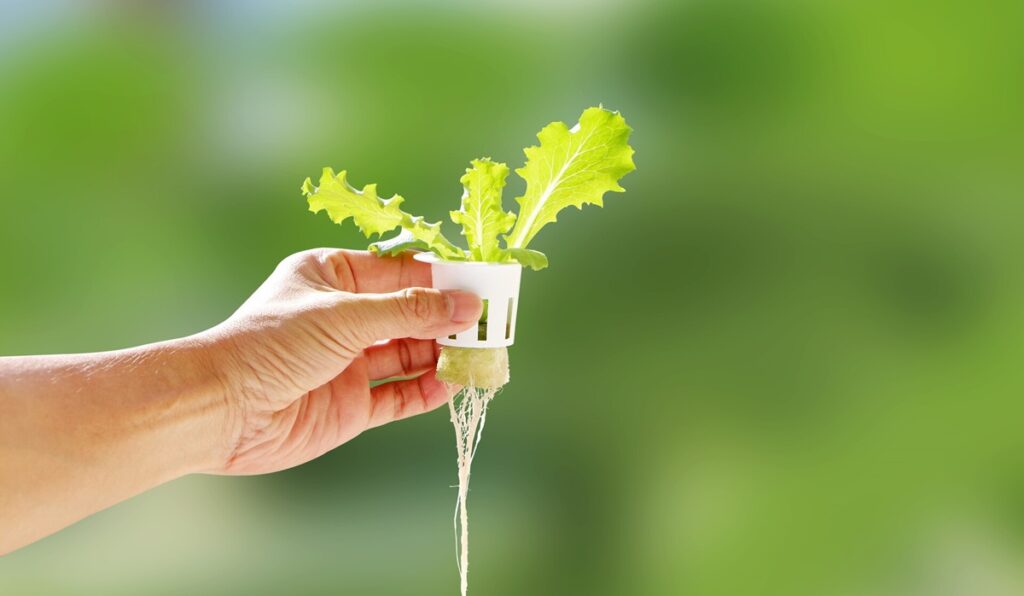
Key Takeaway: Hydroponics is considered an innovative gardening approach because it allows plants to grow without soil, using nutrient-rich water solutions instead. This method enables faster growth rates, higher yields, and efficient use of space and water resources. It also reduces the need for pesticides and soil-borne diseases, making it more sustainable and environmentally friendly. Overall, hydroponics offers a modern, efficient way to produce food in urban and limited-space environments.
In This Article
- Benefits of Hydroponics Gardening for Modern Agriculture
- Efficient Use of Space and Resources
- Faster Growth and Higher Yields
- Reduced Use of Pesticides and Herbicides
- Year-Round Production and Climate Independence
- Environmental Sustainability and Reduced Carbon Footprint
- Economic Advantages and Market Opportunities
- Challenges and Considerations
- Conclusion
- Important Questions and Answers
- What are the main benefits of hydroponic gardening?
- What are the common types of hydroponic systems?
- Which nutrients are vital for healthy growth of hydroponic plants?
Benefits of Hydroponics Gardening for Modern Agriculture
Hydroponics gardening is transforming the way we think about cultivating food, especially in urban landscapes where space is at a premium. By growing plants in nutrient-rich water rather than soil, this method unlocks the potential for rapid growth and bountiful harvests, all while conserving precious water resources. Its soil-free approach minimizes the need for chemical pesticides and reduces the risk of soil-borne diseases, making it a more sustainable choice for environmentally conscious growers. As cities continue to expand and traditional farming faces increasing challenges, hydroponics offers a sleek, efficient solution that bridges the gap between modern technology and agricultural necessity.
Efficient Use of Space and Resources
One of the most compelling benefits of hydroponics is its ability to maximize space utilization. Unlike conventional soil-based farming, hydroponic systems can be stacked vertically or arranged in compact setups, making them ideal for urban environments where space is limited. For example, rooftop gardens in New York City have successfully grown fresh herbs and vegetables using vertical hydroponic towers, providing local produce to city residents.
In addition to space efficiency, hydroponics significantly reduces water consumption. Traditional agriculture can use thousands of gallons of water per acre, much of which is lost through runoff or evaporation. Hydroponic systems, on the other hand, recycle water continuously through closed-loop systems, often using 90% less water than conventional methods. This conservation is especially critical in arid regions like California’s Central Valley, where water scarcity poses a major challenge to farming.
Faster Growth and Higher Yields
Plants grown hydroponically tend to mature faster and produce higher yields compared to traditional soil cultivation. This is because nutrients are delivered directly to the roots in a readily available form, allowing plants to absorb essential minerals more efficiently. For instance, lettuce grown hydroponically can be harvested in as little as 30 days, whereas soil-grown lettuce may take 45-60 days.
Commercial growers have reported yield increases of up to 25-50% with hydroponic systems. A notable example is the AeroFarms operation in Newark, New Jersey, which uses aeroponics—a subset of hydroponics—to produce leafy greens with significantly higher productivity per square foot than conventional farms. This rapid turnover enables farmers to meet market demands more quickly and with less land.
Reduced Use of Pesticides and Herbicides
Since hydroponic systems are typically conducted in controlled environments, they inherently reduce the need for chemical pest and weed control. The absence of soil eliminates many soil-borne pests and diseases, decreasing reliance on chemical interventions. For example, basil grown hydroponically in a greenhouse is less susceptible to pests like aphids and fungal infections, reducing the need for pesticides that can leave residues on produce.
This reduction not only benefits consumer health but also minimizes environmental contamination. Organic hydroponic farms, which adhere to strict standards, demonstrate that high-quality, pesticide-free produce can be grown sustainably in a soil-less system.
Year-Round Production and Climate Independence
Hydroponic systems can be operated indoors or in greenhouses, enabling year-round cultivation regardless of external weather conditions. This capability is particularly advantageous in regions with harsh climates or short growing seasons. For example, in Scandinavian countries where outdoor growing seasons are limited, hydroponic farms produce fresh vegetables during winter months, reducing reliance on imported produce.
Indoor hydroponic farms also allow precise control over environmental factors such as temperature, humidity, and light, optimizing plant growth conditions. This control results in consistent crop quality and supply, which is vital for commercial operations aiming to meet steady market demand.
Environmental Sustainability and Reduced Carbon Footprint
Hydroponics aligns with sustainable agriculture principles by reducing land use, conserving water, and minimizing chemical inputs. Additionally, hydroponic farms can be powered by renewable energy sources, further decreasing their environmental impact. For example, some urban farms incorporate solar panels to offset energy consumption, making the entire operation more eco-friendly.
By localizing food production, hydroponics also reduces transportation emissions associated with long-distance food logistics. This local approach not only cuts carbon footprints but also ensures fresher produce reaches consumers faster. The integration of hydroponic systems into urban food networks exemplifies a move toward resilient and sustainable food systems.
Economic Advantages and Market Opportunities
Hydroponic farming presents lucrative opportunities for entrepreneurs and established farmers alike. The high productivity and rapid crop cycles translate into quicker returns on investment. For instance, a small-scale hydroponic setup for herbs and microgreens can generate income within a few months, making it attractive for urban entrepreneurs seeking quick startup options.
Moreover, the premium quality and freshness of hydroponically grown produce appeal to health-conscious consumers, allowing farmers to command higher prices. Specialty markets, restaurants, and grocery stores increasingly seek locally grown, pesticide-free vegetables, creating a strong market niche for hydroponic products.
Additionally, the scalability of hydroponic systems enables farmers to expand operations incrementally, reducing the risks associated with large-scale traditional farming. As the demand for sustainable and organic produce grows, hydroponics offers a forward-looking avenue for agricultural innovation and economic growth.
Challenges and Considerations
While hydroponics offers numerous benefits, it also requires careful management and investment in technology. Initial setup costs for equipment such as pumps, lighting, and nutrient delivery systems can be substantial. Additionally, maintaining optimal environmental conditions demands expertise and consistent monitoring.
Power dependency is another consideration; system failures can quickly lead to plant stress or loss. Therefore, integrating backup power solutions and automation can mitigate risks. Furthermore, ongoing research continues to optimize nutrient formulations and system designs to improve efficiency and reduce costs.
Despite these challenges, advancements in automation, sensor technology, and sustainable energy are making hydroponics more accessible and affordable for a broader range of growers.
Conclusion
Hydroponics gardening stands out as a transformative approach to modern agriculture, offering significant benefits in efficiency, sustainability, and profitability. Its ability to produce high yields in limited spaces, reduce resource consumption, and enable year-round cultivation makes it an attractive option for urban farmers, commercial growers, and environmental advocates alike.
As technology continues to evolve and awareness of sustainable practices grows, hydroponics is poised to play a crucial role in shaping the future of food production. Embracing this innovative method can lead to more resilient, eco-friendly, and productive agricultural systems that meet the demands of a growing global population.
Important Questions and Answers
What are the main benefits of hydroponic gardening?
Hydroponic gardening allows for faster plant growth and higher yields compared to traditional soil gardening. It also uses less water since the system recycles nutrient solutions, making it more environmentally friendly. Additionally, hydroponics can be practiced indoors or in small spaces, making it accessible for urban gardeners. This method also reduces the risk of soil-borne pests and diseases.
What are the common types of hydroponic systems?
Common hydroponic systems include Nutrient Film Technique (NFT), Deep Water Culture (DWC), and Ebb and Flow (Flood and Drain). Each system has its own setup and maintenance requirements, suitable for different types of plants and space constraints. For example, NFT is ideal for leafy greens, while DWC is popular for larger plants like tomatoes. Choosing the right system depends on your gardening goals and available resources.
Which nutrients are vital for healthy growth of hydroponic plants?
Hydroponic plants require a balanced mix of macronutrients such as nitrogen, phosphorus, and potassium, along with micronutrients like calcium, magnesium, and iron. These nutrients are typically supplied through specially formulated hydroponic nutrient solutions. Regular monitoring and adjusting of nutrient levels are crucial to ensure healthy plant growth and prevent deficiencies. Proper nutrient management is key to successful hydroponic gardening.
Popular Questions
How does hydroponics gardening maximize space and resource efficiency in modern agriculture?
Hydroponic gardening allows plants to be grown vertically or in compact arrangements, making it ideal for urban environments with limited space. It recycles water through closed-loop systems, reducing water use by up to 90% compared to traditional farming. This efficient setup enables higher crop density and optimal resource utilization, especially in areas facing water scarcity or land constraints.
What are the key advantages of hydroponics gardening in increasing crop yields and speeding up growth?
Plants grown hydroponically absorb nutrients directly from water solutions, leading to faster growth—lettuce, for example, can be harvested in 30 days instead of 45-60 days in soil. Commercial farms report yield increases of up to 50%, thanks to precise nutrient delivery and controlled environments. This method allows for multiple harvests annually, boosting overall productivity.
In what ways does hydroponics gardening reduce the need for pesticides and herbicides in modern farming?
Since hydroponic systems are typically housed in controlled environments, they naturally minimize pests and soil-borne diseases. This reduces the reliance on chemical pesticides and herbicides, resulting in cleaner, safer produce. For example, basil grown hydroponically in greenhouses often requires no pesticide treatments, making it suitable for organic certification and healthier consumption.