Quick Summary: Hydroponics is generally better for beginners because it is simpler to set up and manage, requiring only a nutrient solution and a growing medium. Aquaponics combines fish farming with plant cultivation, which adds complexity due to the need to maintain fish health and water quality. Beginners may find hydroponics more straightforward as it involves fewer variables and less maintenance. Overall, hydroponics offers a more accessible entry point into soilless gardening.
Section Overview
- Choosing Between Hydroponics and Aquaponics for Beginners
- Understanding Hydroponics
- Understanding Aquaponics
- Key Factors to Consider When Choosing
- Practical Steps for Beginners
- Common Challenges and How to Overcome Them
- Final Tips for Success
- Common Queries and Answers
- How do hydroponics and aquaponics primarily differ from each other?
- Is hydroponics or aquaponics a more sustainable agricultural system?
- Can hydroponics and aquaponics be combined in a single system?
Choosing Between Hydroponics and Aquaponics for Beginners
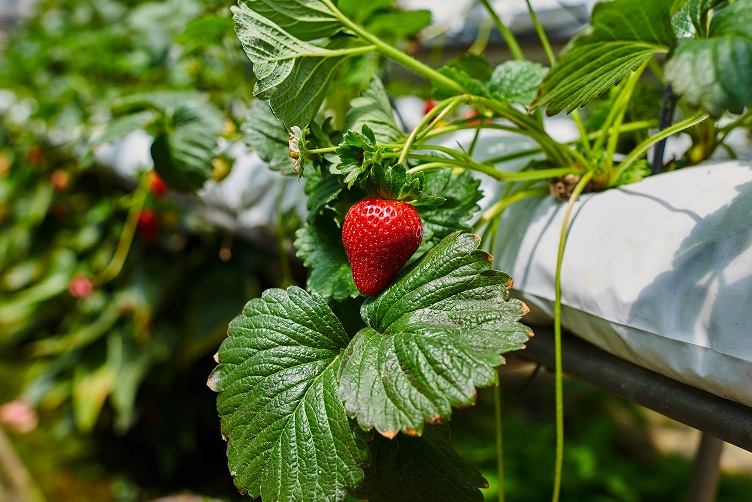
Starting out in soilless gardening, many beginners find hydroponics to be a more inviting option because it simplifies the process—requiring only a nutrient-rich water solution and a basic growing medium. Unlike aquaponics, which involves balancing the needs of fish and plants simultaneously, hydroponics keeps the focus on plant care, making it easier to learn and manage. The setup tends to be less complex, with fewer variables to monitor, allowing newcomers to see quick results and build confidence. For those just dipping their toes into soilless cultivation, hydroponics offers a straightforward, less overwhelming entry point.
Understanding Hydroponics
Hydroponics is a method of growing plants without soil, where nutrients are delivered directly to the roots through a water-based solution. This system allows for precise control over nutrient levels, pH, and moisture, resulting in rapid plant growth and higher yields compared to traditional soil gardening.
For example, urban farmers often use hydroponic systems to grow leafy greens like lettuce, spinach, and herbs such as basil and cilantro. These systems can be set up indoors or outdoors, making them versatile for various environments.
Common hydroponic setups include nutrient film technique (NFT), deep water culture (DWC), and drip systems. Each has its advantages; for instance, NFT systems are ideal for small-scale leafy greens, while DWC is suitable for larger plants like tomatoes and peppers.
Understanding Aquaponics
Aquaponics combines aquaculture (fish farming) with hydroponics, creating a symbiotic environment where fish and plants benefit mutually. Fish produce nutrient-rich waste, which is converted by beneficial bacteria into forms that plants can absorb. In turn, the plants filter the water, maintaining a healthy environment for the fish.
This integrated approach mimics natural ecosystems and offers a sustainable way to produce both protein and vegetables. For example, many hobbyists start with small systems raising tilapia or goldfish alongside herbs, lettuce, or even strawberries.
Typical aquaponic systems include media-based beds, raft systems, and vertical towers. Media-based beds are popular among beginners because they are simple to set up and maintain, using gravel or clay pebbles as a growing medium.
Key Factors to Consider When Choosing
- Initial Investment and Cost: Hydroponic systems can be more affordable initially, especially DIY setups using materials like PVC pipes, buckets, or plastic containers. Aquaponics may require additional investment in fish tanks, pumps, and water testing kits, but it can be more cost-effective over time due to the dual production of plants and fish.
- Maintenance and Complexity: Hydroponic systems generally require regular monitoring of nutrient levels, pH, and water quality. Aquaponics involves managing both plant and fish health, which can be more complex but rewarding for those interested in aquatic life and ecology.
- Space and Environment: Hydroponic systems are highly adaptable and can be scaled from small countertop setups to large commercial farms. Aquaponics systems need space for fish tanks and filtration, making them suitable for backyard gardens or dedicated indoor grow rooms.
- Environmental Impact: Aquaponics is often considered more sustainable because it recycles water and nutrients, reducing waste and resource use. Hydroponics, while efficient, typically relies on synthetic nutrients, which may have environmental implications if not managed responsibly.
- Growth Rate and Yield: Hydroponic systems generally produce faster growth and higher yields for leafy greens and herbs. Aquaponics can produce a diverse range of crops, including larger fruiting plants, but growth rates may be slightly slower due to the biological processes involved.
Practical Steps for Beginners
Starting with Hydroponics
- Choose Your System: For beginners, a simple deep water culture (DWC) or wick system is ideal. DWC involves suspending plant roots in nutrient-rich water, while wick systems use capillary action to deliver nutrients from a reservoir to the plants.
- Select Your Plants: Leafy greens like lettuce, kale, and herbs are forgiving and quick to grow. Tomatoes and peppers are also popular but require more space and support structures.
- Gather Materials: Basic supplies include a container or reservoir, net pots, growing medium (such as clay pebbles or coconut coir), nutrient solution, pH testing kit, and a water pump if needed.
- Set Up and Plant: Assemble your system in a location with adequate light—either natural sunlight or grow lights. Fill the reservoir with water and add hydroponic nutrients according to package instructions. Plant your seedlings in the net pots and place them into the system.
- Monitor and Maintain: Regularly check water levels, pH, and nutrient concentration. Change or top up water as needed, and keep an eye out for pests or diseases.
Starting with Aquaponics
- Design Your System: A media-based bed is recommended for beginners due to its simplicity. Set up a fish tank connected to grow beds filled with gravel or clay pebbles.
- Select Fish and Plants: Tilapia is a popular choice because it tolerates a range of water conditions and grows quickly. For plants, start with leafy greens or herbs that thrive in aquaponic conditions.
- Gather Materials: Essential components include a fish tank, grow beds, water pump, filtration system, testing kits for ammonia, nitrites, nitrates, pH, and fish food.
- Cycle the System: Before adding fish, cycle the system to establish beneficial bacteria that convert fish waste into plant nutrients. This process can take several weeks and involves adding ammonia sources and monitoring water parameters.
- Introduce Fish and Plants: Once the system is cycled, add fish gradually to avoid overloading. Plant seedlings into the grow beds, ensuring they are compatible with aquaponic conditions.
- Maintain and Monitor: Regularly test water quality, feed fish appropriately, and prune plants to promote healthy growth. Keep an eye on fish behavior and plant health to catch issues early.
Common Challenges and How to Overcome Them
- Algae Growth: Excess light can promote algae. Use opaque containers or cover systems to block light and reduce algae proliferation.
- Nutrient Imbalances: In hydroponics, monitor nutrient levels closely and adjust solutions accordingly. In aquaponics, ensure fish are healthy and not overfed, which can lead to water quality issues.
- Pest and Disease Management: Use organic pest control methods and maintain cleanliness to prevent infestations. Regularly inspect plants and fish for signs of trouble.
- System Failures: Regular maintenance of pumps, filters, and tubing is essential. Keep spare parts on hand to minimize downtime.
Final Tips for Success
Start small and scale up as you gain experience. Document your progress, noting what works well and what needs adjustment. Join online forums or local gardening groups to exchange tips and troubleshoot issues. Remember, patience and consistency are key—both hydroponic and aquaponic systems require ongoing care but reward you with fresh, healthy produce and a deeper understanding of sustainable agriculture.
Whether you choose hydroponics or aquaponics, embracing these soilless cultivation methods can transform your gardening experience, reduce your environmental footprint, and provide nutritious food year-round. With careful planning and dedication, you’ll enjoy the satisfaction of growing your own food in innovative and eco-friendly ways.
Popular Questions
How do hydroponics and aquaponics primarily differ from each other?
Hydroponics involves growing plants in nutrient-rich water without soil, while aquaponics combines fish farming with plant cultivation in a symbiotic system. In aquaponics, fish waste provides nutrients for the plants, which in turn help filter the water for the fish. The main difference lies in the integration of aquatic animals in aquaponics versus the purely soil-less plant growth in hydroponics.
Is hydroponics or aquaponics a more sustainable agricultural system?
Aquaponics is generally considered more sustainable because it recycles water and nutrients through the fish and plants, reducing waste and resource use. Hydroponics requires external nutrient inputs, which can have environmental impacts if not managed properly. However, both systems can be sustainable if operated efficiently and with proper resource management.
Can hydroponics and aquaponics be combined in a single system?
While technically possible, combining hydroponics and aquaponics in a single system can be complex because they have different nutrient and water management needs. Typically, aquaponics relies on fish to provide nutrients, whereas hydroponics depends on added fertilizers. Integrating both requires careful balancing to ensure the health of fish and plants, but it is not a common practice.