Part of the Organic Hydroponic Series
Topic Path: Organic Hydroponic Gardening Guide → What Is Hydroponics Gardening Step By Step?
Key Takeaway: Hydroponics gardening involves growing plants without soil by using nutrient-rich water solutions. First, select a suitable system like nutrient film technique or deep water culture. Next, set up a container with a water reservoir, and add a pump to circulate nutrient solution to the plant roots. To wrap up, monitor and adjust pH and nutrient levels regularly to ensure optimal plant growth.
Article Guide
- Benefits of Hydroponics Gardening for Faster Plant Growth
- Accelerated Growth Rates
- Optimized Nutrient Delivery
- Water Efficiency and Conservation
- Space-Saving and Higher Yields
- Reduced Pest and Disease Incidence
- Year-Round Cultivation and Climate Control
- Environmental Benefits and Sustainability
- Examples of Successful Hydroponic Projects
- Getting Started with Hydroponics Gardening
- Conclusion
- Popular Questions
- What are the main advantages of hydroponic gardening?
- How does hydroponic gardening function and what is its basic concept?
- What are the first steps to begin a hydroponic gardening system?
Benefits of Hydroponics Gardening for Faster Plant Growth
Hydroponics gardening transforms the way we nurture plants, offering a sleek, soil-free approach that accelerates growth and maximizes yields. By delivering nutrient-rich water directly to roots, it eliminates the delays often caused by soil conditions, allowing plants to thrive in a controlled environment. This method not only speeds up the development cycle but also provides precise control over nutrients, ensuring optimal health and vigor. With careful monitoring and adjustments, hydroponics can turn even small spaces into highly productive green havens, making it an appealing choice for both urban gardeners and seasoned horticulturists.
Hydroponics gardening is revolutionizing the way we cultivate plants, offering numerous advantages over traditional soil-based methods. By growing plants in nutrient-rich water solutions, gardeners and farmers can achieve faster growth rates, higher yields, and more efficient use of resources. Whether you’re a seasoned horticulturist or a beginner eager to start your own indoor garden, understanding the benefits of hydroponics can help you make informed decisions and optimize your gardening practices.
Accelerated Growth Rates
One of the most compelling reasons to adopt hydroponic systems is the potential for significantly faster plant growth. Unlike traditional soil gardening, where roots must search for nutrients and water, hydroponic systems deliver these essentials directly to the roots in a readily accessible form. This direct delivery allows plants to allocate more energy toward growth rather than foraging for nutrients.
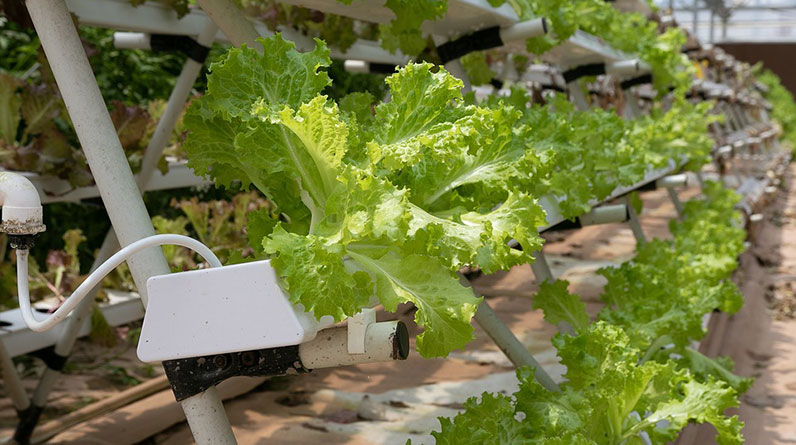
For example, studies have shown that lettuce grown hydroponically can reach harvest maturity in approximately 30 days, compared to 45-60 days in soil-based cultivation. Similarly, herbs like basil and mint often mature 20-30% faster in hydroponic setups. This accelerated growth cycle means more frequent harvests and increased productivity, which is especially advantageous for commercial growers aiming to maximize their output within limited space and timeframes.
Optimized Nutrient Delivery
In hydroponic systems, nutrients are precisely controlled and delivered in optimal concentrations, ensuring plants receive the exact balance needed for vigorous growth. This precision minimizes deficiencies and toxicities that can occur in soil due to uneven nutrient distribution. For instance, a hydroponic setup allows for adjusting pH levels and nutrient concentrations daily, tailoring conditions to the specific needs of each plant type.
Take tomatoes as an example: maintaining the right calcium and potassium levels is crucial for preventing common issues like blossom-end rot and fruit cracking. Hydroponic systems facilitate this by providing a consistent supply of these nutrients, leading to healthier plants and higher-quality produce. Moreover, because nutrients are dissolved in water, they are absorbed more efficiently, resulting in faster growth and better resource utilization.
Water Efficiency and Conservation
Hydroponic gardening uses significantly less water compared to traditional soil cultivation. Since water in hydroponic systems is recirculated and reused, wastage is minimized. In fact, studies indicate that hydroponic systems can use up to 90% less water than conventional farming methods. This efficiency is particularly vital in arid regions or areas facing water scarcity.
For example, a vertical hydroponic farm in an urban setting can produce a substantial amount of leafy greens while consuming a fraction of the water required for soil-based farming. This conservation not only benefits the environment but also reduces operational costs for growers, making hydroponics a sustainable and economically viable option.
Space-Saving and Higher Yields
Hydroponic systems are highly adaptable to limited spaces, making them ideal for urban environments, indoor gardens, and small-scale farms. Vertical hydroponic setups, such as tower gardens and rack systems, maximize vertical space, allowing for the cultivation of a large number of plants in a compact footprint.
For instance, a single 4-foot-tall vertical hydroponic tower can produce the equivalent yield of several acres of traditional farmland. This efficiency enables urban farmers to grow fresh produce close to consumers, reducing transportation costs and carbon emissions. Additionally, the controlled environment of hydroponics often results in higher yields per square foot compared to traditional methods.
Reduced Pest and Disease Incidence
Growing plants in a soil-less environment significantly reduces the risk of soil-borne pests and diseases. Common issues such as root rot, nematodes, and fungal infections are less prevalent in hydroponic systems, leading to healthier plants and less reliance on chemical pesticides.
For example, hydroponic lettuce and herbs are less susceptible to soil-borne pathogens like Pythium and Fusarium, which can devastate crops in traditional soil farming. This cleaner environment not only results in healthier plants but also produces safer, pesticide-free produce that appeals to health-conscious consumers.
Year-Round Cultivation and Climate Control
Hydroponic systems lend themselves well to indoor and controlled-environment agriculture, allowing for year-round cultivation regardless of external weather conditions. Growers can maintain optimal temperature, humidity, and light levels, creating ideal conditions for plant growth at all times.
For example, a hydroponic tomato farm inside a climate-controlled warehouse can produce ripe tomatoes every month, independent of seasonal changes. This continuous production cycle ensures a steady supply of fresh produce, reduces seasonal fluctuations, and enhances profitability for commercial growers.
Environmental Benefits and Sustainability
Beyond water efficiency, hydroponics reduces the need for chemical fertilizers and pesticides, leading to a lower environmental footprint. The closed-loop systems minimize runoff and pollution, protecting surrounding ecosystems. Additionally, hydroponic farms can be established in urban areas, reducing the need for long-distance transportation and associated carbon emissions.
Some innovative hydroponic farms incorporate renewable energy sources, such as solar panels, to power their operations, further enhancing sustainability. As the global demand for sustainable food production increases, hydroponics offers a promising solution to meet these challenges while providing fresh, nutritious produce.
Examples of Successful Hydroponic Projects
- Freight Farms: A Boston-based company that has developed containerized hydroponic farms, enabling local food production in urban areas worldwide. Their systems can grow a variety of crops, including lettuce, herbs, and strawberries, year-round with minimal water and space.
- Urban Farmers: A project in New York City that uses vertical hydroponic towers to grow greens and herbs for local markets, reducing transportation emissions and providing fresh produce to city residents.
- NASA’s Veggie Plant Growth System: NASA has developed hydroponic systems for growing food in space, demonstrating the technology’s potential for self-sustaining environments and long-duration missions.
Getting Started with Hydroponics Gardening
If you’re interested in exploring hydroponics, start with small-scale systems like nutrient film technique (NFT) or deep water culture (DWC) setups. These are affordable and easy to maintain, making them perfect for beginners. Invest in quality grow lights, water pumps, and nutrient solutions tailored to your chosen crops.
For example, growing herbs such as basil, cilantro, and parsley in a countertop hydroponic kit can provide fresh ingredients for your kitchen while giving you firsthand experience with the technology. As you gain confidence, you can expand to larger systems or experiment with different crops like strawberries or cherry tomatoes.
Remember to monitor water pH, nutrient levels, and environmental conditions regularly to ensure optimal growth. Many online resources and local gardening clubs offer support and advice for newcomers to hydroponic gardening.
Conclusion
Hydroponics gardening offers a multitude of benefits that can transform your approach to growing plants. From faster growth rates and higher yields to water conservation and reduced pest issues, hydroponics provides an efficient and sustainable way to produce fresh, healthy food. Whether you’re aiming to supplement your household with homegrown vegetables or establish a commercial farm, embracing hydroponic technology can lead to more productive and eco-friendly gardening practices.
By understanding and leveraging these advantages, you can enjoy the satisfaction of growing your own food while contributing to a more sustainable future. Start small, experiment, and watch your plants thrive in this innovative gardening method that is reshaping agriculture worldwide.
Popular Questions
What are the main advantages of hydroponic gardening?
Hydroponic gardening allows for faster plant growth and higher yields compared to traditional soil gardening because plants have direct access to nutrients in water. It also uses less water since the system recycles nutrient solutions, making it more environmentally friendly. Additionally, hydroponics can be practiced indoors or in limited spaces, enabling year-round cultivation regardless of outdoor weather conditions.
How does hydroponic gardening function and what is its basic concept?
Hydroponic growing raises plants without soil by feeding roots a nutrient-rich water solution. The system (DWC, NFT, drip, etc.) delivers water, nutrients, and oxygen to the root zone in a controlled way. When you keep pH and EC stable, plants can grow quickly and consistently. It works well in small spaces because you can control light and climate.
What are the first steps to begin a hydroponic gardening system?
For best results, keep your hydroponic system stable: clean water, consistent oxygenation, and regular pH/EC checks. Make small changes, give the system time to mix, and record what you did so you can repeat what works. Stable conditions reduce stress and improve yield. If problems appear, check pH first, then EC, then temperature.