Instant Insight: Hydroponics contributes to sustainable gardening by using significantly less water than traditional soil-based methods, often reducing water use by up to 90%. It also minimizes the need for chemical fertilizers and pesticides, decreasing environmental pollution. Additionally, hydroponic systems can be implemented in urban areas, reducing transportation emissions and promoting local food production. Overall, hydroponics offers an efficient, eco-friendly approach to growing crops with a smaller ecological footprint.
Jump To
- Benefits of Hydroponics Gardening for Sustainable Food Production
- Efficient Use of Water Resources
- Faster Growth Rates and Higher Yields
- Reduced Land Use and Space Efficiency
- Reduced Use of Pesticides and Herbicides
- Environmental Sustainability and Reduced Carbon Footprint
- Year-Round Production and Climate Resilience
- Economic Opportunities and Job Creation
- Challenges and Considerations
- Conclusion
- Frequently Asked Questions
- What are the main benefits of hydroponic gardening?
- What are the common types of hydroponic systems?
- How do I maintain proper nutrient levels in a hydroponic system?
Benefits of Hydroponics Gardening for Sustainable Food Production
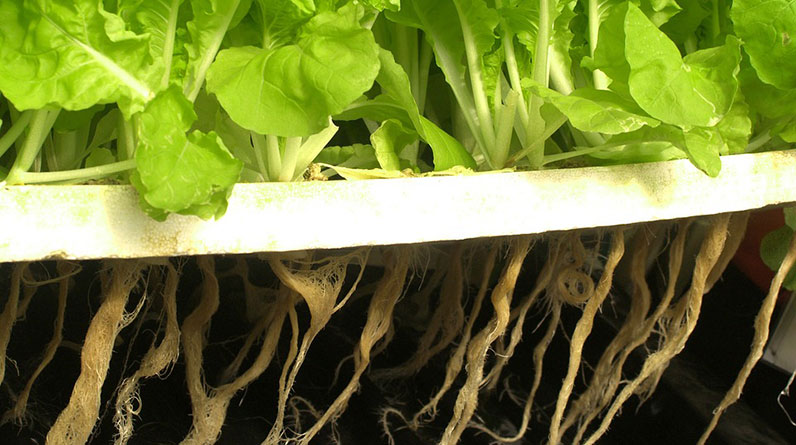
Hydroponics gardening offers a compelling vision of sustainable food production, where lush greens and vibrant vegetables thrive with minimal environmental impact. By forgoing traditional soil, this method conserves vast amounts of water—up to 90% less—while reducing reliance on chemical fertilizers and pesticides that can pollute ecosystems. Its adaptability in urban settings means fresh produce can be grown right in city centers, cutting down transportation emissions and fostering local food resilience. As a result, hydroponics not only nurtures healthier plants but also champions a more eco-conscious approach to feeding a growing global population.
Efficient Use of Water Resources
One of the most significant advantages of hydroponics is its remarkable efficiency in water usage. Traditional soil farming often results in substantial water loss through runoff, evaporation, and percolation. In contrast, hydroponic systems recycle water continuously within a closed-loop setup, drastically reducing overall consumption. For example, studies have shown that hydroponic systems can use up to 90% less water than conventional farming methods. This efficiency is particularly crucial in arid regions where water scarcity limits agricultural productivity. A notable case is the urban hydroponic farms in Phoenix, Arizona, which have successfully grown leafy greens and herbs using significantly less water than traditional farms, demonstrating the viability of hydroponics in water-stressed environments.
Faster Growth Rates and Higher Yields
Plants grown hydroponically often reach maturity faster and produce higher yields compared to soil-based cultivation. This acceleration is due to the optimized delivery of nutrients directly to the plant roots, eliminating the need for plants to expend energy searching for nutrients in the soil. For instance, lettuce and basil grown hydroponically can be harvested in as little as 30 days, compared to 45-60 days in traditional soil farming. Commercial operations such as AeroFarms in New Jersey have reported yields up to 390 times more produce per square foot annually than conventional farms. This rapid growth cycle not only increases productivity but also allows for multiple harvests within a single growing season, making it an efficient choice for urban food production.
Reduced Land Use and Space Efficiency
Hydroponic systems are highly space-efficient, making them ideal for urban environments where land is limited and expensive. Vertical farming techniques, which stack multiple layers of crops in a controlled environment, maximize space utilization. For example, the Brooklyn Grange in New York City operates one of the largest rooftop farms in the world, utilizing vertical hydroponic systems to grow thousands of pounds of vegetables annually on a relatively small footprint. This approach not only conserves land but also reduces the need for deforestation and habitat destruction associated with traditional agriculture. Additionally, hydroponics can be implemented in abandoned warehouses, rooftops, and other underutilized spaces, transforming them into productive farms.
Reduced Use of Pesticides and Herbicides
Since hydroponic systems are typically conducted in controlled environments, they significantly diminish the need for chemical pesticides and herbicides. The sterile or semi-sterile conditions reduce pest and disease pressures, leading to healthier plants and safer produce. For example, hydroponic tomato farms in California have reported minimal pesticide use, resulting in organic certification and higher market value. This reduction not only benefits consumer health but also lessens environmental pollution caused by chemical runoff. Moreover, the controlled environment allows for integrated pest management strategies that are more sustainable and less harmful to beneficial insects and surrounding ecosystems.
Environmental Sustainability and Reduced Carbon Footprint
Hydroponics contributes to environmental sustainability by lowering greenhouse gas emissions associated with traditional farming. Reduced land clearing, less water consumption, and decreased transportation distances all play a role in minimizing carbon footprints. Urban hydroponic farms located near consumers reduce the need for long-distance food transportation, which is a significant source of emissions. For instance, a study by the University of California found that local hydroponic farms could cut transportation-related emissions by up to 80%. Additionally, hydroponic systems can be integrated with renewable energy sources such as solar panels, further decreasing their environmental impact. This sustainable approach aligns with global efforts to combat climate change and promote eco-friendly food systems.
Year-Round Production and Climate Resilience
Unlike traditional outdoor farming, hydroponics allows for year-round crop production regardless of seasonal changes or adverse weather conditions. Controlled environment agriculture (CEA) facilities can maintain optimal temperature, humidity, and light levels, ensuring consistent yields throughout the year. This resilience is vital in regions prone to droughts, floods, or extreme temperatures. For example, indoor hydroponic farms in Scandinavia enable the cultivation of fresh vegetables during long, dark winters, reducing reliance on imported produce. This stability in food supply enhances local food security and reduces vulnerability to climate-related disruptions.
Economic Opportunities and Job Creation
The rise of hydroponic farming has opened new economic avenues, especially in urban areas. Small-scale home setups can empower individuals to grow their own food, while commercial hydroponic farms create jobs in farming, system maintenance, and distribution. The rapid growth of the industry has led to the emergence of specialized equipment manufacturing, consulting, and educational services. For example, companies like Freight Farms have developed modular, container-based hydroponic systems that can be shipped worldwide, providing entrepreneurs with turnkey solutions for urban farming. This economic diversification supports local economies and promotes sustainable development.
Challenges and Considerations
While hydroponics offers numerous benefits, it is essential to acknowledge some challenges. Initial setup costs can be high, requiring investment in equipment, infrastructure, and technical knowledge. Maintaining optimal nutrient balance and system cleanliness is critical to prevent disease outbreaks. Additionally, energy consumption for lighting and climate control can be significant, especially in indoor systems. However, ongoing technological advancements, such as energy-efficient LED lighting and automation, are helping to mitigate these issues. Education and training are vital for growers to maximize system efficiency and sustainability, ensuring that hydroponics remains a viable and scalable solution for future food production.
Conclusion
Hydroponics gardening stands out as a transformative approach to sustainable food production, offering numerous environmental, economic, and social benefits. Its ability to conserve water, increase yields, utilize space efficiently, and reduce chemical inputs makes it an attractive option for addressing global food security challenges. As technology advances and awareness grows, hydroponics is poised to play a crucial role in creating resilient, sustainable, and local food systems for the future. Whether you are a home gardener interested in growing fresh herbs or a commercial farmer seeking to expand production sustainably, hydroponics provides a versatile and innovative solution that aligns with the goals of environmental stewardship and food security worldwide.
Popular Questions
What are the main benefits of hydroponic gardening?
Hydroponic gardening allows for faster plant growth and higher yields compared to traditional soil gardening. It also uses significantly less water, as the nutrient-rich solution is recirculated, reducing waste. Additionally, hydroponics can be practiced indoors or in small spaces, making it accessible for urban gardeners and those with limited outdoor space.
What are the common types of hydroponic systems?
Common hydroponic systems include nutrient film technique (NFT), deep water culture (DWC), drip systems, and aeroponics. Each system has its own method of delivering nutrients to the plants' roots, with varying levels of complexity and suitability for different types of crops. Choosing the right system depends on factors like space, budget, and the plants being grown.
How do I maintain proper nutrient levels in a hydroponic system?
Maintaining proper nutrient levels involves regularly testing the pH and electrical conductivity (EC) of the nutrient solution. The pH should typically be kept between 5.5 and 6.5 for most crops, while the EC indicates the concentration of nutrients. Replenishing nutrients and adjusting pH as needed ensures optimal plant growth and prevents deficiencies or toxicities.