Key Takeaway: Hydroponic gardening contributes to sustainable agriculture by using significantly less water than traditional soil-based farming, as water is recirculated and reused. It reduces the need for land, preventing deforestation and habitat destruction, and allows for farming in urban areas, decreasing transportation emissions. Additionally, hydroponics can minimize the use of pesticides and herbicides, promoting healthier produce and reducing chemical runoff. Overall, it offers a resource-efficient and environmentally friendly method to produce food sustainably.
Contents
- The Environmental Benefits of Hydroponic Gardening
- 1. Water Conservation and Efficiency
- 2. Reduced Use of Pesticides and Chemical Inputs
- 3. Reduced Land Use and Preservation of Natural Habitats
- 4. Lower Carbon Footprint and Reduced Transportation Emissions
- 5. Energy Efficiency and Renewable Integration
- 6. Promoting Sustainable Food Security
- 7. Encouraging Sustainable Agricultural Practices
- 8. Supporting Biodiversity and Ecosystem Health
- 9. Education and Community Engagement
- Conclusion
- Frequently Asked Questions
- What are the main benefits of hydroponic gardening?
- What are the common types of hydroponic systems?
- Which nutrients are necessary for healthy growth of hydroponic plants?
The Environmental Benefits of Hydroponic Gardening
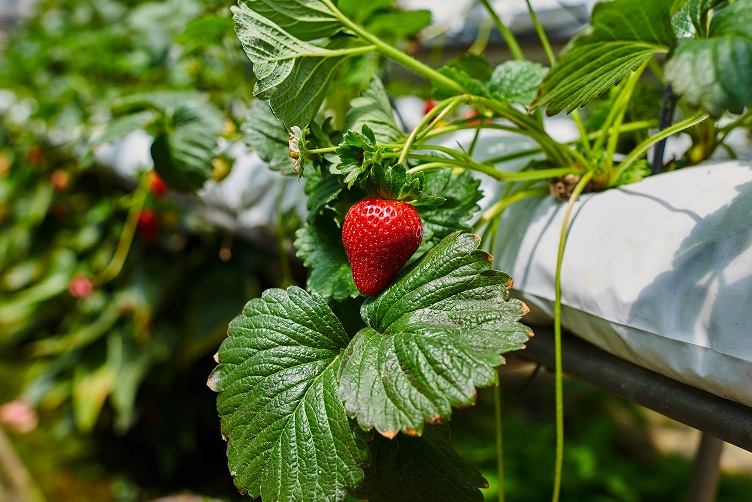
Hydroponic gardening offers a strikingly efficient way to nurture plants, transforming urban rooftops and small indoor spaces into lush, productive farms. By recirculating water and minimizing land use, it reduces the strain on natural ecosystems and cuts down on the carbon footprint associated with transporting produce over long distances. This method also curtails the need for chemical pesticides and herbicides, fostering a cleaner, healthier environment while producing vibrant, pesticide-free crops. As cities grow denser and resources become scarcer, hydroponics stands out as a sustainable solution that aligns agricultural innovation with ecological preservation.
1. Water Conservation and Efficiency
One of the most compelling environmental benefits of hydroponic systems is their remarkable water efficiency. Traditional soil-based agriculture often involves significant water loss through runoff, evaporation, and percolation. In contrast, hydroponic systems utilize a closed-loop or recirculating setup that recycles water, drastically reducing overall consumption.
For example, a typical hydroponic farm can use up to 90% less water than conventional farming methods. This is achieved through precise control of water delivery directly to the plant roots, minimizing wastage. A notable case is the AeroFarms vertical farm in Newark, New Jersey, which reports saving over 95% of water compared to traditional farming while producing high yields of leafy greens year-round.
This efficient water use is especially crucial in arid regions or areas facing water scarcity, where traditional agriculture can exacerbate water shortages. Hydroponic systems thus serve as a sustainable alternative that conserves vital freshwater resources.
2. Reduced Use of Pesticides and Chemical Inputs
Hydroponic gardening inherently reduces the need for chemical pesticides and herbicides. Since plants are grown in controlled environments, the risk of pest infestations and disease outbreaks diminishes significantly. This not only leads to healthier produce but also lessens the environmental pollution caused by chemical runoff into nearby water bodies.
For instance, urban hydroponic farms in cities like New York and Los Angeles often operate without pesticides, relying instead on integrated pest management strategies and physical barriers. This approach minimizes chemical residues in food and reduces the contamination of soil and water systems, promoting a healthier ecosystem.
Furthermore, the absence of soil eliminates the risk of soil-borne diseases, decreasing the need for chemical treatments and fostering a more sustainable farming practice.
3. Reduced Land Use and Preservation of Natural Habitats
Hydroponic systems enable high-density cultivation in a relatively small footprint, making it possible to grow large quantities of food vertically or in compact spaces. This efficient land use helps preserve natural habitats and reduces deforestation caused by expanding traditional farms.
Vertical farms in urban settings exemplify this benefit. For example, the Brooklyn Grange in New York City occupies a fraction of the land that would be required for equivalent soil-based agriculture, yet it produces thousands of pounds of vegetables annually. By growing food in urban environments, hydroponics reduces the pressure to convert forests, wetlands, and other sensitive ecosystems into farmland.
This spatial efficiency not only conserves biodiversity but also minimizes habitat destruction, contributing to overall ecological stability.
4. Lower Carbon Footprint and Reduced Transportation Emissions
Locally grown hydroponic produce significantly cuts down on the carbon emissions associated with transportation and distribution. Traditional agriculture often involves long-distance shipping, refrigeration, and extensive supply chains, all of which contribute to greenhouse gas emissions.
By establishing hydroponic farms within urban centers or close to consumer markets, food can be harvested and consumed within a short period, reducing the need for fossil fuel-powered transportation. For example, a hydroponic farm in Boston can supply fresh herbs and leafy greens to local restaurants and grocery stores, eliminating the carbon footprint associated with importing produce from distant regions.
This localized approach not only lowers emissions but also ensures fresher, more nutritious food for consumers, aligning with sustainable food systems.
5. Energy Efficiency and Renewable Integration
While hydroponic systems do require energy for lighting, climate control, and water circulation, advancements in technology have made them increasingly energy-efficient. LED grow lights, for example, consume less power and produce less heat, reducing cooling requirements.
Moreover, integrating renewable energy sources such as solar panels or wind turbines can further diminish the environmental impact. Several commercial hydroponic farms are now powered entirely by renewable energy, making their operations carbon-neutral or even carbon-negative.
For instance, a hydroponic farm in California has incorporated solar panels to meet its energy needs, significantly reducing its reliance on fossil fuels and lowering its overall carbon footprint.
6. Promoting Sustainable Food Security
Hydroponic gardening offers a resilient and sustainable solution to food security challenges, especially in regions with limited arable land or adverse climate conditions. By enabling year-round cultivation regardless of weather, hydroponics ensures a consistent supply of fresh produce.
This stability reduces dependence on imported foods, which can be vulnerable to supply chain disruptions, climate change, and geopolitical issues. Urban hydroponic farms can serve as local food hubs, providing communities with access to nutritious, locally grown produce, thereby strengthening food sovereignty.
In countries like Singapore, where land is scarce, hydroponic farms have become vital in supplementing traditional agriculture and ensuring food resilience amid global uncertainties.
7. Encouraging Sustainable Agricultural Practices
Hydroponic systems promote a more sustainable approach to agriculture by emphasizing resource efficiency, minimal waste, and reduced environmental impact. They often incorporate organic nutrient solutions and closed-loop water systems, aligning with eco-friendly principles.
Additionally, hydroponic farms can be integrated with renewable energy, composting, and waste recycling initiatives, creating a holistic sustainable farming model. For example, some urban farms use composted organic waste to produce nutrient-rich solutions for their hydroponic systems, closing the loop and reducing reliance on synthetic inputs.
This approach fosters a circular economy within agriculture, minimizing waste and maximizing resource reuse, which is essential for long-term environmental health.
8. Supporting Biodiversity and Ecosystem Health
By reducing the need for chemical inputs and preserving natural habitats, hydroponic gardening supports biodiversity both on and around farms. The absence of soil-borne pests and diseases means fewer chemical interventions, which benefits pollinators, beneficial insects, and soil microorganisms.
Moreover, urban hydroponic farms can serve as green oases within cities, providing habitats for birds, insects, and other wildlife. These green spaces contribute to urban biodiversity, improve air quality, and mitigate the heat island effect.
For example, rooftop hydroponic gardens in cities like Chicago and Toronto not only produce food but also create ecological corridors that support urban wildlife and enhance environmental quality.
9. Education and Community Engagement
Hydroponic gardening fosters environmental awareness and community involvement. Educational programs in schools and community centers often use hydroponics to teach sustainable farming practices, water conservation, and ecological responsibility.
Community-supported hydroponic projects can empower local residents to grow their own food, reduce food miles, and participate in sustainable living practices. This grassroots engagement promotes a culture of environmental stewardship and resilience.
For instance, the Urban Growers Collective in Chicago runs educational workshops and community farms that demonstrate the environmental benefits of hydroponics, inspiring a new generation of eco-conscious farmers and consumers.
Conclusion
Hydroponic gardening stands out as a forward-thinking, environmentally friendly agricultural method that addresses many of the ecological challenges faced by traditional farming. From conserving water and reducing chemical use to lowering carbon emissions and preserving natural habitats, hydroponics offers a sustainable pathway toward a healthier planet.
By adopting and expanding hydroponic systems, individuals, communities, and policymakers can contribute to a more resilient and sustainable food system that benefits both people and the environment. As technology advances and awareness grows, hydroponic gardening is poised to play a crucial role in shaping a greener, more sustainable future for generations to come.
Frequently Asked Questions
What are the main benefits of hydroponic gardening?
Hydroponic gardening allows for faster plant growth and higher yields compared to traditional soil gardening. It also uses less water because the nutrient solution is recirculated, making it more environmentally friendly. Additionally, hydroponic systems can be set up indoors or in small spaces, making gardening accessible to those with limited outdoor space.
What are the common types of hydroponic systems?
Common types of hydroponic systems include Nutrient Film Technique (NFT), Deep Water Culture (DWC), and Ebb and Flow (Flood and Drain). Each system has its own method of delivering nutrients to the plants and is suitable for different types of crops. Choosing the right system depends on factors like plant type, space, and experience level.
Which nutrients are necessary for healthy growth of hydroponic plants?
Hydroponic plants require a balanced mix of macronutrients such as nitrogen, phosphorus, and potassium, as well as micronutrients like calcium, magnesium, and iron. These nutrients are typically supplied through a specially formulated hydroponic nutrient solution. Regular monitoring and adjusting of the nutrient levels are crucial for healthy plant growth.