Main Guide: For the full authority page on Homestead, see Complete Ultimate Homestead Guide.
Main Guide: For the full authority page on Homestead, see Ultimate Homestead Guide.
Instant Insight: A homestead lifestyle involves living self-sufficiently on a piece of land, often growing food, raising animals, and using sustainable practices. It emphasizes independence from commercial systems and a close connection to nature. Homesteaders typically prioritize renewable resources, homemade goods, and minimal reliance on external services. This lifestyle promotes resilience, environmental stewardship, and a simpler, more intentional way of living.
In This Article
- Benefits of Embracing a Homestead Lifestyle for Sustainable Living
- Environmental Benefits of Homesteading
- Health and Wellness Advantages
- Economic Resilience and Cost Savings
- Building Community and Skills
- Resilience Against Economic and Environmental Challenges
- Personal Fulfillment and Lifestyle Satisfaction
- Getting Started with Your Homestead Journey
- Your Questions, Answered
- What are the essential skills needed for a successful homestead lifestyle?
- How can I start a small-scale homestead with limited space?
- What are the benefits of adopting a homestead lifestyle?
Benefits of Embracing a Homestead Lifestyle for Sustainable Living
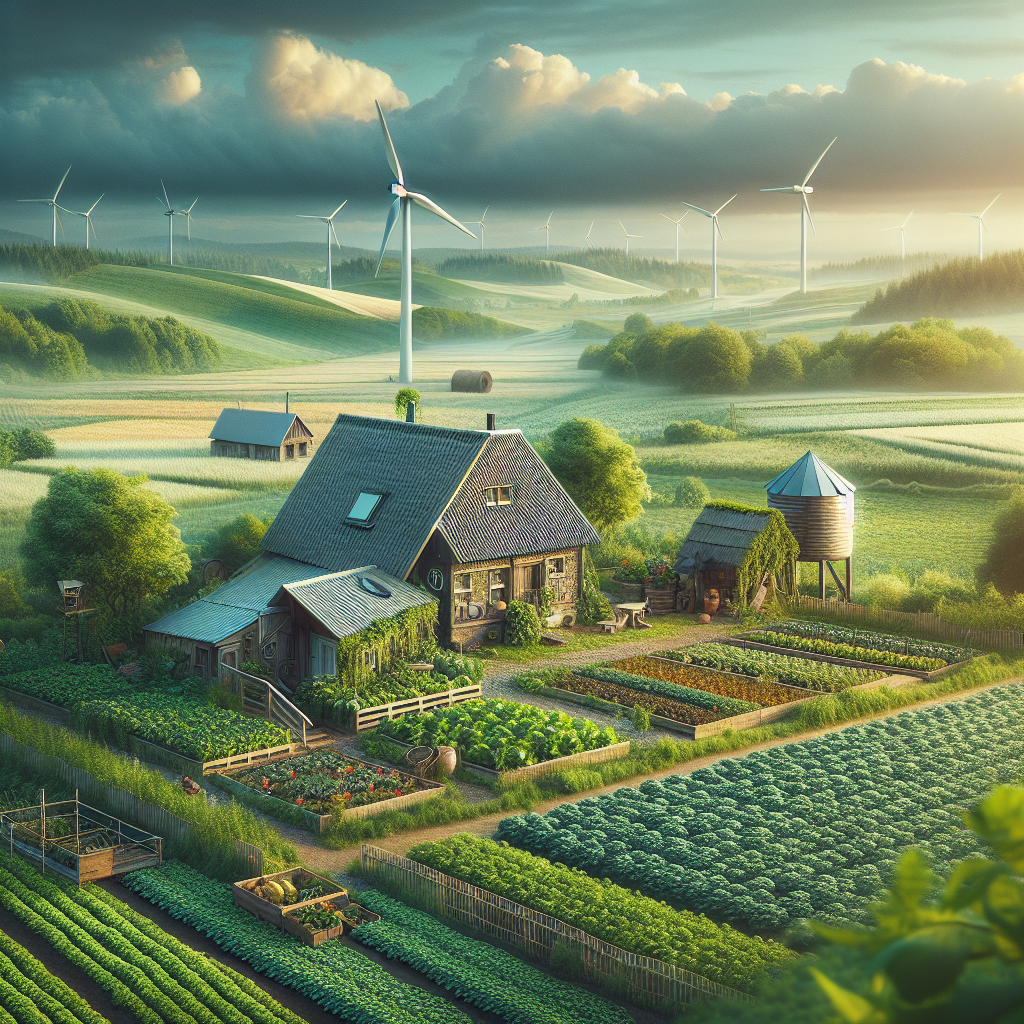
Living a homestead lifestyle offers a tangible connection to the land, where each sunrise brings the promise of tending crops or caring for animals that sustain your family. It’s a deliberate choice to step away from the hustle of modern consumerism, embracing the satisfaction of growing your own food and crafting essentials by hand. This way of life fosters resilience, as you learn to rely on natural cycles and renewable resources, reducing dependence on external systems. In its essence, homesteading transforms daily routines into a harmonious dance with nature, cultivating not just crops and livestock, but a deeper sense of purpose and stewardship.
Adopting a homestead lifestyle offers numerous advantages that extend beyond simple self-sufficiency. It fosters a deeper connection to the environment, promotes healthier living, and cultivates resilience against economic and environmental uncertainties. Whether you’re considering a small backyard farm or a sprawling rural homestead, understanding the multifaceted benefits can inspire and motivate your journey toward sustainable living.
Environmental Benefits of Homesteading
One of the most compelling reasons to embrace homesteading is its positive impact on the environment. By growing your own food, reducing reliance on industrial agriculture, and implementing eco-friendly practices, you contribute to a healthier planet.
- Reduced Carbon Footprint: Growing your own vegetables and raising animals locally cuts down on the transportation emissions associated with store-bought produce. For example, a family that maintains a vegetable garden and keeps chickens can significantly lower their annual greenhouse gas emissions compared to purchasing produce from supermarkets that source from distant farms.
- Soil Health and Biodiversity: Homesteaders often practice composting, crop rotation, and organic gardening, which enhance soil fertility and promote biodiversity. Planting native species and creating habitats for pollinators like bees and butterflies further supports local ecosystems.
- Water Conservation: Implementing rainwater harvesting systems and drip irrigation reduces water waste. For instance, collecting rainwater from rooftops can supply a significant portion of household needs, especially in arid regions.
Health and Wellness Advantages
Living on a homestead encourages healthier lifestyle choices through access to fresh, organic food and increased physical activity.
- Nutritious, Organic Food: Growing your own vegetables, fruits, and herbs ensures that your food is free from synthetic pesticides and fertilizers. For example, heirloom tomatoes, kale, and strawberries can be harvested at peak ripeness, maximizing flavor and nutritional content.
- Physical Activity: Daily chores such as planting, weeding, milking goats, or collecting eggs provide natural exercise, reducing the risk of lifestyle-related diseases like obesity and heart disease.
- Mental Well-being: Connection to nature and the satisfaction of nurturing life can reduce stress and improve mental health. Spending time tending to animals or working in the garden has been shown to lower cortisol levels and promote mindfulness.
Economic Resilience and Cost Savings
Homesteading can lead to significant financial benefits by decreasing reliance on commercial goods and services.
- Lower Food Expenses: Growing your own produce and raising animals for meat, eggs, and dairy can substantially reduce grocery bills. For example, a family with a well-maintained vegetable garden and a few chickens might save hundreds of dollars annually on produce and eggs.
- Self-Sufficiency in Basic Necessities: Producing your own firewood, preserving food through canning and freezing, and making household cleaners from natural ingredients can cut costs and increase independence.
- Potential Income Opportunities: Homesteaders can generate income through selling surplus produce, eggs, honey, or handmade crafts at local markets or online platforms, creating an additional revenue stream.
Building Community and Skills
Homesteading fosters a sense of community and encourages the development of valuable skills that can be shared and passed down.
- Community Engagement: Participating in local farmers’ markets, seed exchanges, or cooperative gardening groups builds social connections and supports local economies. For example, exchanging heirloom seeds with neighbors or collaborating on shared projects enhances community resilience.
- Educational Opportunities: Homesteading provides hands-on learning in areas such as permaculture, animal husbandry, food preservation, and renewable energy. Workshops and farm tours can inspire others and promote sustainable practices.
- Intergenerational Knowledge Transfer: Teaching children and younger community members about gardening, cooking, and sustainable living fosters a culture of environmental stewardship and self-reliance.
Resilience Against Economic and Environmental Challenges
Homesteading equips individuals and families with the skills and resources to withstand disruptions caused by economic downturns, natural disasters, or supply chain interruptions.
- Food Security: Growing a diverse array of crops and raising animals ensures a steady supply of essential nutrients, reducing dependence on external food sources during crises.
- Energy Independence: Installing solar panels, wind turbines, or micro-hydro systems can reduce reliance on the grid, providing power during outages and lowering energy costs.
- Preparedness and Self-Reliance: Developing skills such as food preservation, basic carpentry, and first aid enhances your ability to manage emergencies effectively.
Personal Fulfillment and Lifestyle Satisfaction
Beyond tangible benefits, homesteading offers profound personal rewards. It nurtures patience, creativity, and a sense of accomplishment.
- Creative Expression: Designing a permaculture garden, building custom chicken coops, or crafting homemade soap allows for artistic and practical expression.
- Sense of Purpose: Contributing to your family’s well-being and the environment fosters a deep sense of purpose and fulfillment.
- Connection to Nature: Daily interactions with plants and animals cultivate mindfulness and appreciation for the natural world.
Getting Started with Your Homestead Journey
Embarking on a homesteading lifestyle may seem daunting at first, but small, intentional steps can lead to meaningful progress.
- Assess Your Resources and Goals: Determine available land, budget, and time commitments. Decide whether you want a backyard garden, a few chickens, or a larger farm setup.
- Start Small: Begin with container gardening or a few herbs, then expand as you gain confidence and experience.
- Educate Yourself: Read books, attend workshops, and connect with local homesteading groups or online communities for support and advice.
- Implement Sustainable Practices: Focus on composting, organic gardening, rainwater harvesting, and renewable energy solutions to maximize environmental benefits.
- Plan for Long-Term Growth: Develop a multi-year plan that includes crop rotation schedules, livestock management, and infrastructure improvements.
Remember, the journey toward a sustainable homestead is a gradual process. Celebrate small successes along the way, and stay adaptable to new ideas and challenges. Over time, your efforts will yield a resilient, self-sufficient lifestyle that benefits you, your community, and the planet.
Your Questions, Answered
What are the essential skills needed for a successful homestead lifestyle?
Key skills for homesteading include gardening, animal husbandry, basic carpentry, and food preservation techniques. Being resourceful and self-reliant helps in managing daily chores and unexpected challenges. Learning these skills can significantly increase your independence and sustainability on a homestead.
How can I start a small-scale homestead with limited space?
Begin by focusing on high-yield, space-efficient practices such as container gardening, vertical planting, and raising small livestock like chickens or rabbits. Prioritize essential needs first, such as growing your own vegetables and herbs, and gradually expand as you gain experience. Planning and utilizing available space creatively are crucial for small-scale homesteading success.
What are the benefits of adopting a homestead lifestyle?
Homesteading promotes self-sufficiency, reduces reliance on commercial systems, and can lead to healthier eating habits. It also fosters a closer connection to nature and a sense of community with like-minded individuals. Many find it rewarding to live sustainably and to have control over their food and environment.