Instant Answer: Popular plants for hydroponics include leafy greens like lettuce, spinach, and kale, which grow quickly and require minimal space. Herbs such as basil, mint, and cilantro thrive in hydroponic systems and can be harvested frequently. Fruit-bearing plants like tomatoes, cucumbers, and peppers also do well, but they need more support and nutrients. Overall, fast-growing, nutrient-demanding plants are ideal for hydroponic gardening, maximizing yield and efficiency.
Article Guide
- Top Plants for Successful Hydroponics Gardening
- Introduction to Hydroponic Gardening
- Why Choose Hydroponics?
- Criteria for Selecting Plants for Hydroponics
- Top 10 Plants for Hydroponic Gardening
- Tips for Success with Hydroponic Plants
- Conclusion
- Questions You Might Have
- What are the main advantages of hydroponic gardening?
- What are common types of hydroponic systems used by beginners?
- How do I maintain nutrient levels in a hydroponic system?
Top Plants for Successful Hydroponics Gardening
Hydroponic gardening offers a vibrant, soil-free way to cultivate a variety of plants with remarkable efficiency, turning small spaces into lush, productive green oases. Among the most successful choices are leafy greens like crisp lettuce, tender spinach, and hearty kale, which flourish quickly and make the most of limited root space. Aromatic herbs such as basil, mint, and cilantro thrive in these nutrient-rich environments, providing fresh flavors with frequent harvests. For those seeking a bit more fruit, tomatoes, cucumbers, and peppers can be highly rewarding, though they demand careful support and tailored nutrient levels to reach their full potential.
Introduction to Hydroponic Gardening
Hydroponic gardening is an innovative method of growing plants without soil, using nutrient-rich water solutions to deliver essential minerals directly to the roots. This technique allows for faster growth rates, higher yields, and the ability to cultivate plants in environments where traditional soil gardening might be challenging. Whether you’re a seasoned gardener or a beginner, understanding which plants thrive in hydroponic systems is crucial for success.
Why Choose Hydroponics?
Hydroponic systems offer numerous advantages over conventional soil gardening. They enable precise control over nutrients, pH levels, and water supply, reducing the risk of pests and diseases. Additionally, hydroponics can be practiced indoors or in limited spaces, making it ideal for urban environments. The controlled environment often results in faster plant growth—sometimes up to 25-50% quicker than traditional methods—and higher productivity per square foot.
Criteria for Selecting Plants for Hydroponics
When choosing plants for hydroponic cultivation, consider their growth habits, nutrient requirements, and adaptability to water-based systems. Plants that have relatively short growth cycles, are less prone to root diseases, and can tolerate the specific conditions of your hydroponic setup tend to perform best. Additionally, selecting plants with high market demand or personal preference can make your hydroponic garden more rewarding.
Top 10 Plants for Hydroponic Gardening
- Leafy Greens
- Examples: Lettuce, Spinach, Kale
- Leafy greens are among the easiest and fastest-growing plants in hydroponic systems. They require minimal space and nutrients, making them perfect for beginners. For instance, lettuce varieties like Romaine and Butterhead can be harvested within 30-45 days, providing quick results.
- Herbs
- Examples: Basil, Mint, Cilantro, Parsley
- Herbs flourish in hydroponic setups due to their compact size and high nutrient needs. Basil, in particular, is a popular choice because it grows rapidly and can be harvested multiple times. Mint, with its vigorous growth, is also well-suited for hydroponic containers, offering fresh leaves for culinary uses year-round.
- Tomatoes
- Varieties: Cherry, Beefsteak, Heirloom
- Tomatoes are one of the most rewarding hydroponic crops, producing abundant fruit in a controlled environment. Cherry tomatoes, such as ‘Sweet Million,’ are particularly popular due to their small size and high yield. Proper support structures and pruning are essential to maximize fruit production and prevent plant stress.
- Cucumbers
- Varieties: English, Armenian, Pickling
- Cucumbers grow well in hydroponic systems, especially vertical setups that save space. They require consistent moisture and support for climbing. Hydroponic cucumbers tend to have fewer pests and produce crisper, cleaner fruit compared to soil-grown counterparts.
- Peppers
- Examples: Bell Peppers, Chili Peppers
- Peppers thrive in hydroponic environments, with some varieties maturing in as little as 60 days. Bell peppers like ‘California Wonder’ and hot peppers such as ‘Jalapeño’ can be grown successfully indoors or in greenhouse setups, providing fresh produce year-round.
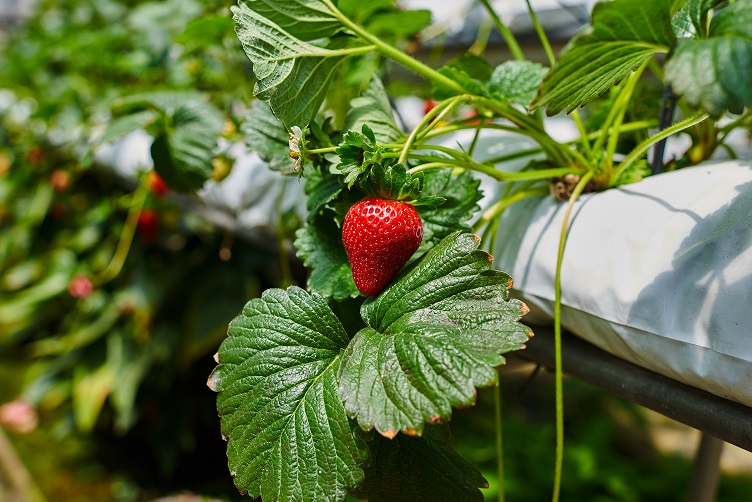
- Strawberries
- Varieties: Albion, Chandler
- Hydroponic strawberries are a popular choice for home growers, offering sweet, juicy fruit without soil-borne diseases. They require a well-maintained nutrient solution and proper lighting but reward growers with multiple harvests per year.
- Microgreens
- Examples: Radish, Broccoli, Basil
- Microgreens are young vegetable greens harvested just after the first true leaves develop. They are quick to grow—often within 7-14 days—and are highly nutritious. Their compact size makes them ideal for small hydroponic systems or countertop setups.
- Eggplants
- Varieties: Black Beauty, Fairy Tale
- Eggplants can be successfully cultivated hydroponically, especially in larger systems that support their bushy growth. They require warm temperatures and consistent nutrient supply but can produce abundant fruit in 70-100 days.
- Green Beans
- Varieties: Bush, Pole
- Green beans grow well in hydroponic systems that support vertical growth. They prefer a slightly acidic pH and regular watering. Hydroponic green beans tend to be more tender and flavorful than soil-grown ones due to controlled nutrient levels.
- Specialty Crops
- Examples: Basil, Thai Basil, Edamame
- Specialty crops like Thai basil or edamame beans can be cultivated hydroponically for niche markets or personal use. These plants often require specific nutrient formulations but can be highly profitable or satisfying for dedicated growers.
Tips for Success with Hydroponic Plants
Growing plants hydroponically requires attention to detail and consistent maintenance. Here are some practical tips to ensure your plants thrive:
- Maintain Proper Nutrient Balance: Use high-quality hydroponic nutrient solutions tailored to the specific needs of your plants. Regularly monitor and adjust the nutrient concentration and pH levels, typically aiming for a pH between 5.5 and 6.5.
- Ensure Adequate Lighting: Most plants require 12-16 hours of light daily. For indoor setups, consider using full-spectrum LED grow lights that mimic natural sunlight and promote healthy growth.
- Control Temperature and Humidity: Keep the environment within optimal ranges—generally 65-75°F (18-24°C) for most plants—and maintain humidity levels around 50-70% to prevent mold and root diseases.
- Implement Proper Water Management: Regularly check water levels and quality. Change nutrient solutions every 2-3 weeks to prevent salt buildup and ensure a steady supply of nutrients.
- Prevent Pests and Diseases: Although hydroponics reduces soil-borne pests, issues like fungal infections or algae can still occur. Use sterile equipment, maintain cleanliness, and monitor plants regularly for early detection.
Conclusion
Choosing the right plants for your hydroponic garden can lead to a highly productive and enjoyable gardening experience. Leafy greens, herbs, tomatoes, cucumbers, peppers, strawberries, microgreens, eggplants, green beans, and specialty crops all have proven track records of success in water-based systems. By understanding each plant’s specific needs and maintaining optimal growing conditions, you can harvest fresh, nutritious produce year-round, regardless of your outdoor climate or space limitations.
Start small, experiment with different crops, and gradually expand your hydroponic setup. With patience and attention to detail, you’ll soon enjoy the benefits of a thriving, sustainable, and efficient garden that provides fresh food and a rewarding hobby.
Questions You Might Have
What are the main advantages of hydroponic gardening?
Hydroponic gardening allows for faster plant growth and higher yields compared to traditional soil gardening because nutrients are delivered directly to the roots in a controlled environment. It also uses less water since the system recycles nutrient solutions, making it more sustainable. Additionally, hydroponics can be practiced indoors or in limited spaces, making it accessible for urban gardeners.
What are common types of hydroponic systems used by beginners?
Common hydroponic systems suitable for beginners include the Nutrient Film Technique (NFT), Deep Water Culture (DWC), and Wick systems. These setups are relatively simple to assemble and maintain, requiring minimal technical knowledge. They also provide consistent nutrient delivery, which helps new growers learn the basics of hydroponic gardening effectively.
How do I maintain nutrient levels in a hydroponic system?
Maintaining proper nutrient levels involves regularly testing the nutrient solution with a pH and EC (electrical conductivity) meter to ensure optimal balance. You should top up the solution as plants absorb nutrients and replace it entirely every few weeks to prevent imbalances or buildup of salts. Consistent monitoring and adjustments help promote healthy plant growth and prevent deficiencies.