Key Takeaway: A hydroponic gardening system grows plants without soil by using a nutrient-rich water solution to deliver essential nutrients directly to the plant roots. The system typically involves a container or tray where plants are supported, with water and nutrients circulated continuously or periodically. This method allows for faster plant growth, higher yields, and efficient use of space and water compared to traditional soil gardening. Hydroponics can be used indoors or outdoors and is suitable for a variety of plants, including vegetables and herbs.
Contents
- Benefits of Using a Hydroponic Gardening System for Faster Growth
- Accelerated Plant Growth and Increased Yields
- Optimized Use of Space and Resources
- Precise Control Over Growing Conditions
- Reduced Pest and Disease Pressure
- Year-Round Growing Potential
- Cost Savings and Economic Benefits
- Environmental Sustainability
- Examples of Successful Hydroponic Gardens
- Getting Started with Hydroponic Gardening
- Questions You Might Have
- What are the benefits of using a hydroponic gardening system at home?
- What common mistakes should you avoid with hydroponic gardening system?
- What tips can help beginners succeed with hydroponic gardening system?
Benefits of Using a Hydroponic Gardening System for Faster Growth
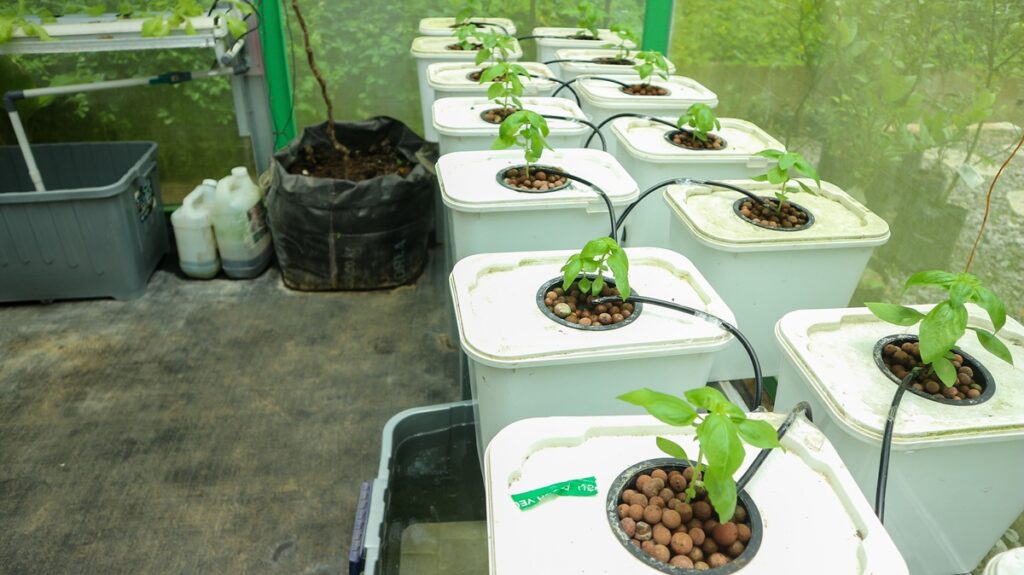
A hydroponic gardening system transforms the way we grow plants by eliminating soil and instead delivering a nutrient-rich water solution directly to the roots. This innovative approach allows plants to absorb nutrients more efficiently, resulting in noticeably faster growth and higher yields than traditional soil-based methods. With the flexibility to set up indoors or outdoors, hydroponics maximizes space and conserves water, making it an appealing choice for urban gardeners and those with limited outdoor areas. The precision and control offered by such systems create an environment where plants thrive, often surpassing the growth rates seen in conventional gardening.
Hydroponic gardening has revolutionized the way we grow plants, offering a highly efficient and innovative approach to cultivation. Unlike traditional soil-based gardening, hydroponics involves growing plants in a nutrient-rich water solution, which allows for faster growth, higher yields, and more precise control over growing conditions. Whether you’re a seasoned gardener or a beginner looking to maximize your gardening efforts, understanding the benefits of hydroponic systems can help you make informed decisions and achieve impressive results.
Accelerated Plant Growth and Increased Yields
One of the most compelling advantages of hydroponic gardening is the potential for significantly faster plant growth. In traditional soil gardening, plants often face limitations such as poor soil quality, pests, and inconsistent nutrient availability. Hydroponics bypasses these issues by delivering nutrients directly to the plant roots in a controlled environment. This direct delivery results in rapid nutrient absorption, which can accelerate the growth cycle of many plants by up to 25-50% compared to soil-based cultivation.
For example, leafy greens like lettuce and spinach typically reach harvest size in about 30 days in a hydroponic system, whereas they might take 45-60 days in soil. Similarly, herbs such as basil and cilantro can be harvested multiple times within a single growing season, thanks to the rapid growth facilitated by hydroponics. This increased efficiency allows farmers and home gardeners to produce more crops in less time, maximizing productivity and profitability.
Optimized Use of Space and Resources
Hydroponic systems are particularly advantageous in urban environments or areas with limited land availability. Because plants are grown in vertically stacked layers or compact setups, they make efficient use of space. This vertical farming approach is ideal for small apartments, rooftop gardens, or community farms where space is at a premium.
Additionally, hydroponics uses water more efficiently than traditional gardening. Since the water is recirculated within the system, it minimizes waste and reduces the overall water consumption—sometimes by up to 90%. This conservation is especially important in regions facing water scarcity. Furthermore, because soil is not used, there is less need for soil amendments, fertilizers, and pesticides, leading to a more sustainable and environmentally friendly gardening practice.
Precise Control Over Growing Conditions
Hydroponic systems allow growers to precisely control key environmental factors such as nutrient levels, pH, temperature, and humidity. This level of control ensures that plants receive the optimal conditions for growth at every stage. For instance, adjusting nutrient concentrations can prevent deficiencies or toxicities, which are common issues in soil gardening due to uneven nutrient distribution.
Many hydroponic setups incorporate automation technology, including timers, sensors, and control systems, to maintain ideal conditions continuously. This precision reduces the risk of pests and diseases, which often thrive in less controlled environments, and results in healthier, more vigorous plants.
Reduced Pest and Disease Pressure
Growing plants in a soil-less environment significantly diminishes the risk of soil-borne pests and diseases such as root rot, nematodes, and fungal infections. Without soil, common pests like aphids, beetles, and caterpillars have fewer entry points and less habitat to thrive in. This reduction in pest pressure means fewer chemical interventions, leading to cleaner, organic produce.
Moreover, the controlled environment of hydroponic systems makes it easier to implement integrated pest management strategies. For example, introducing beneficial insects or using organic sprays can be more effective and targeted when pests are confined to a controlled space.
Year-Round Growing Potential
Unlike traditional outdoor gardening, which is limited by seasonal changes, hydroponic systems can operate year-round indoors or in controlled environments. This continuous growing cycle allows for multiple harvests throughout the year, providing fresh produce regardless of weather conditions. For example, a hydroponic tomato system can produce ripe fruits in winter, when outdoor cultivation is impossible.
This capability is especially valuable for commercial growers aiming to meet consistent demand or for urban farmers seeking to supply local markets with fresh, locally grown produce at all times.
Cost Savings and Economic Benefits
Although the initial setup costs for a hydroponic system can be higher than traditional gardening, the long-term savings are substantial. Reduced water usage, fewer inputs like fertilizers and pesticides, and increased crop yields contribute to a more cost-effective operation. Additionally, faster growth cycles mean quicker returns on investment.
For example, commercial hydroponic farms have demonstrated profit margins that surpass traditional farms, especially when producing high-value crops such as herbs, microgreens, and specialty vegetables. Home gardeners also benefit from lower water bills and fewer purchases of soil amendments and pest control products.
Environmental Sustainability
Hydroponic gardening aligns with sustainable agriculture principles by conserving water, reducing chemical use, and minimizing land degradation. Because water is recirculated, it reduces waste and runoff that can contaminate local waterways. The absence of soil erosion and the ability to grow in degraded or contaminated sites also make hydroponics an environmentally responsible choice.
Furthermore, hydroponic systems can be integrated with renewable energy sources, such as solar panels, to further reduce carbon footprints. This sustainable approach supports global efforts to produce food more responsibly and efficiently.
Examples of Successful Hydroponic Gardens
- Frederick P. Rose Hall in New York City: This urban farm utilizes hydroponic towers to grow herbs and leafy greens, providing fresh produce for local restaurants and residents. The system maximizes space and reduces transportation emissions.
- BrightFarms in the United States: A network of commercial hydroponic farms that supply supermarkets with locally grown lettuce and herbs, reducing the need for long-distance transportation and packaging.
- Urban Organics in Minnesota: An indoor aquaponic farm combining fish and plant cultivation, demonstrating how integrated hydroponic systems can produce sustainable, high-quality food in urban settings.
Getting Started with Hydroponic Gardening
If you’re interested in harnessing the benefits of hydroponics, start by choosing the right system for your space and budget. Popular options include nutrient film technique (NFT), deep water culture (DWC), and drip systems. Each has its advantages depending on the types of plants you want to grow and your level of experience.
Invest in quality grow lights, especially if growing indoors, and learn about maintaining proper nutrient balances and pH levels. Many online resources, local gardening clubs, and agricultural extension offices offer guidance and support for beginners.
By adopting hydroponic gardening, you can enjoy faster plant growth, higher yields, and a more sustainable approach to growing your own food. Whether you’re cultivating a small herb garden on your kitchen windowsill or running a commercial farm, hydroponics offers a versatile and rewarding method to achieve your gardening goals.
Questions You Might Have
What are the benefits of using a hydroponic gardening system at home?
Using a hydroponic gardening system at home offers several benefits, including faster plant growth, higher yields, and the ability to grow plants indoors regardless of outdoor climate. It also uses less water than traditional gardening because the nutrient solution is recirculated. Furthermore, hydroponic systems require less space and can be more environmentally friendly by reducing the need for pesticides and herbicides.
What common mistakes should you avoid with hydroponic gardening system?
When using hydroponic gardening system, people often overlook fundamental principles or skip important steps. Rushing through the process or failing to plan can lead to poor outcomes. Being aware of these common pitfalls allows you to avoid them from the start. Careful preparation and attention to detail will help you achieve the desired results.
What tips can help beginners succeed with hydroponic gardening system?
Beginners benefit from starting with the basics of hydroponic gardening system and focusing on core practices. Setting realistic goals and building skills gradually can boost confidence. Seeking out reputable tutorials or mentors accelerates progress and reduces frustration. Patience and consistency are key to mastering the essentials and moving on to more advanced techniques.