Instant Answer: Hydroponics gardening allows for faster plant growth and higher yields due to precise control over nutrients and environmental conditions. It uses less water than traditional soil gardening because water is recirculated and reused efficiently. Additionally, hydroponics reduces the risk of soil-borne pests and diseases, leading to healthier plants and less need for chemical treatments. This method also enables gardening in limited spaces and indoor environments, making it accessible and versatile.
Jump To
- Benefits of Hydroponics Gardening for Faster, Healthier Plants
- Accelerated Growth and Increased Yield
- Enhanced Plant Health and Reduced Pest Pressure
- Water Efficiency and Sustainability
- Space Optimization and Year-Round Growing
- Reduced Use of Pesticides and Herbicides
- Educational and Research Opportunities
- Cost-Effective and Scalable Solutions
- Conclusion
- Questions You Might Have
- What are the main advantages of hydroponic gardening?
- What types of plants are best suited for hydroponic systems?
- What are common challenges faced in hydroponic gardening?
Benefits of Hydroponics Gardening for Faster, Healthier Plants
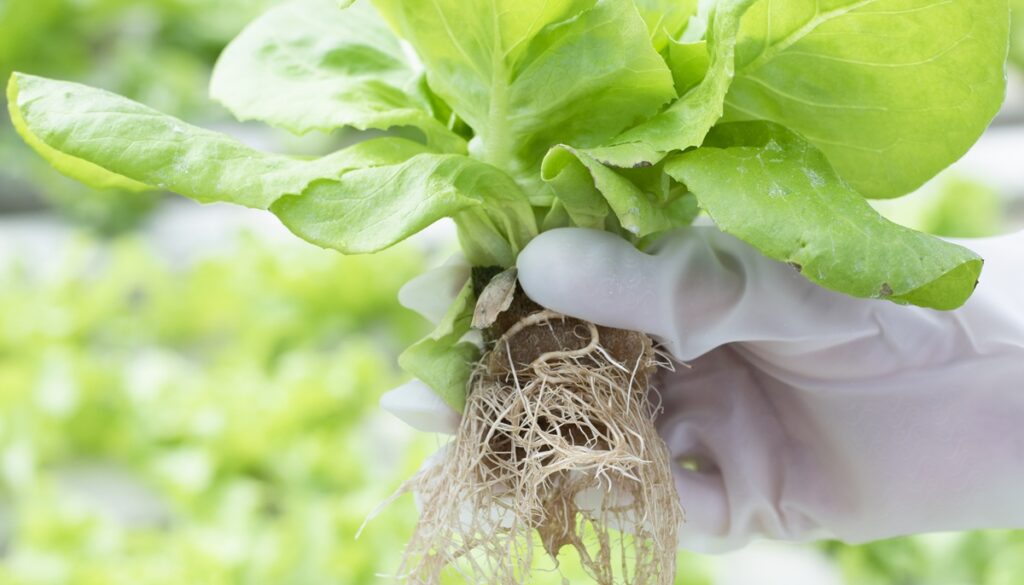
Hydroponics gardening transforms the way we grow plants by offering a streamlined, soil-free approach that accelerates growth and boosts plant health. With roots bathed in nutrient-rich water, plants can absorb what they need more efficiently, often resulting in quicker harvests and more abundant yields. This method minimizes water waste through recirculation, making it an eco-friendly choice for sustainable gardening. Plus, by eliminating soil, it significantly reduces the risk of pests and diseases, leading to healthier, more resilient plants even in confined indoor spaces.
Accelerated Growth and Increased Yield
One of the most compelling reasons to adopt hydroponics is the potential for faster plant growth. Unlike traditional soil gardening, where roots must search for nutrients and water, hydroponic systems deliver these essentials directly to the roots in a highly accessible form. This direct delivery results in plants absorbing nutrients more efficiently, which accelerates their development. For example, lettuce grown hydroponically can reach harvest maturity in as little as 30 days, compared to 45-60 days in soil-based cultivation. Similarly, tomatoes and peppers often mature 2-3 weeks earlier in hydroponic setups.
In addition to faster growth, hydroponic systems often produce higher yields per square foot. Because plants are grown in controlled environments with optimized nutrient levels, they tend to grow more densely and produce more fruit or foliage within the same space. For instance, commercial hydroponic farms have reported yield increases of up to 25-30% compared to traditional methods, making it an economically attractive option for farmers aiming to maximize productivity.
Enhanced Plant Health and Reduced Pest Pressure
Growing plants hydroponically can lead to healthier plants with fewer pest and disease issues. Since hydroponic systems are typically housed indoors or in controlled environments, exposure to soil-borne pests such as nematodes, root maggots, and certain fungi is minimized. This reduces the need for chemical pesticides, making the produce safer for consumers and environmentally friendly.
Moreover, the sterile or semi-sterile conditions of hydroponic setups help prevent common soil-related diseases like root rot and damping-off. The precise control over water quality and nutrient levels allows growers to quickly identify and address any imbalances or deficiencies, further promoting plant vigor. For example, basil plants grown hydroponically tend to be more resistant to downy mildew and other fungal infections, resulting in a more consistent and high-quality harvest.
Water Efficiency and Sustainability
Hydroponic gardening is renowned for its water-saving capabilities. Traditional soil gardening can waste significant amounts of water through runoff, evaporation, and inefficient watering practices. In contrast, hydroponic systems recycle water within closed-loop setups, often using 90-95% less water than conventional methods. For example, a well-designed hydroponic system for leafy greens might use only a few gallons of water per week, compared to dozens of gallons required for soil-based cultivation of the same crop.
This efficiency is especially critical in regions facing water scarcity. Hydroponics can be implemented in arid environments or urban settings where water resources are limited, enabling local food production without depleting natural water supplies. Additionally, because nutrients are delivered directly to the roots, there is less nutrient runoff into local waterways, reducing environmental pollution and promoting sustainable farming practices.
Space Optimization and Year-Round Growing
Another significant advantage of hydroponics is its ability to maximize space utilization. Vertical farming systems, such as tower gardens and rack setups, allow multiple layers of plants to grow in a compact footprint. This vertical approach is ideal for urban environments where land is scarce but demand for fresh produce is high. For instance, urban hydroponic farms can produce a variety of vegetables and herbs within a small warehouse, providing fresh food directly to local communities.
Furthermore, hydroponic systems are not dependent on seasonal weather conditions. By controlling temperature, humidity, and light, growers can cultivate crops year-round, regardless of external climate. This continuous production cycle ensures a steady supply of fresh produce, reduces seasonal shortages, and allows for multiple harvests annually. For example, strawberries grown hydroponically in controlled environments can be harvested every 4-6 weeks, providing a consistent income stream for commercial growers.
Reduced Use of Pesticides and Herbicides
Because hydroponic systems are often housed indoors or in protected environments, the need for chemical pest control is significantly diminished. This not only results in healthier produce but also reduces the environmental impact associated with pesticide runoff and soil contamination. Many hydroponic growers adopt integrated pest management strategies, relying on biological controls and physical barriers to keep pests at bay.
For instance, basil and lettuce grown hydroponically in controlled environments typically require minimal or no pesticide applications, making them ideal for organic certification and health-conscious consumers. This reduction in chemical use aligns with growing consumer demand for clean, chemical-free produce and supports sustainable agricultural practices.
Educational and Research Opportunities
Hydroponics offers valuable educational opportunities for schools, universities, and research institutions. It provides a hands-on platform to learn about plant biology, nutrient cycles, and sustainable farming techniques. Students can experiment with different nutrient formulations, light conditions, and plant varieties to understand the science behind plant growth.
Research institutions also utilize hydroponic systems to study plant responses to environmental stresses, develop new crop varieties, and test innovative agricultural technologies. For example, NASA has explored hydroponic systems as part of its efforts to develop sustainable food sources for long-duration space missions, highlighting the potential of this method for future space exploration.
Cost-Effective and Scalable Solutions
While initial setup costs for hydroponic systems can be higher than traditional gardening, the long-term benefits often outweigh these expenses. Reduced water and fertilizer use, faster crop turnover, and higher yields contribute to improved profitability. Small-scale home growers can start with simple systems like nutrient film technique (NFT) or deep water culture (DWC), which require minimal investment and maintenance.
For commercial operations, scalable hydroponic systems can be customized to fit specific crop needs and available space. Modular designs allow growers to expand their operations gradually, making hydroponics a flexible and adaptable solution for various scales of production. For example, large vertical farms in urban centers can produce thousands of pounds of leafy greens annually, supplying local markets and reducing transportation costs and emissions.
Conclusion
Hydroponics gardening offers a multitude of benefits that can transform the way we grow food. From accelerating plant growth and increasing yields to conserving water and reducing chemical inputs, this innovative approach aligns with sustainable agriculture goals and modern food security needs. Whether you’re a hobbyist interested in growing fresh herbs at home or a commercial farmer aiming to maximize productivity in limited space, hydroponics provides a versatile and efficient solution. Embracing this technology can lead to healthier plants, more sustainable practices, and a more resilient food system for the future.
Questions You Might Have
What are the main advantages of hydroponic gardening?
Hydroponic gardening allows for faster plant growth and higher yields compared to traditional soil gardening because nutrients are delivered directly to the roots in a controlled environment. It also uses less water since the system recycles nutrient solutions, making it more sustainable. Additionally, hydroponics can be practiced indoors or in small spaces, making it accessible for urban gardeners.
What types of plants are best suited for hydroponic systems?
Leafy greens like lettuce, spinach, and kale are among the easiest and most popular plants for hydroponic systems due to their quick growth and minimal root space requirements. Herbs such as basil, mint, and cilantro also thrive in hydroponic setups. Fruit-bearing plants like tomatoes and cucumbers can be successfully grown hydroponically with proper support and nutrient management.
What are common challenges faced in hydroponic gardening?
One common challenge is maintaining the correct nutrient balance and pH levels, which is crucial for plant health. Waterborne diseases can spread quickly in a closed system, so cleanliness and monitoring are essential. Additionally, initial setup costs and technical knowledge required for system maintenance can be barriers for beginners.