Instant Insight: Hydroponic gardening is a method of growing plants without soil, using nutrient-rich water solutions to deliver essential nutrients directly to the roots. Plants are supported in inert mediums like clay pellets or rockwool, while their roots are submerged or suspended in the nutrient solution. This system allows for precise control of nutrients, water, and light, often resulting in faster growth and higher yields compared to traditional soil gardening. Hydroponics is used in both commercial and home settings to efficiently produce vegetables, herbs, and other plants.
Section Overview
- Benefits of Hydroponic Gardening for Faster and More Efficient Plant Growth
- Accelerated Plant Growth and Higher Yields
- Optimized Use of Resources and Reduced Water Consumption
- Precise Control Over Growing Conditions
- Reduced Pest and Disease Incidence
- Faster Return on Investment and Cost Savings
- Environmental Sustainability and Reduced Carbon Footprint
- Examples of Successful Hydroponic Projects
- Getting Started with Hydroponic Gardening
- Conclusion
- People Also Ask
- What are common types of hydroponic systems used by home gardeners?
Benefits of Hydroponic Gardening for Faster and More Efficient Plant Growth
Hydroponic gardening offers a vibrant alternative to traditional soil cultivation, where plants thrive in nutrient-dense water solutions rather than earth. This method allows for meticulous control over every element—water, nutrients, and light—creating an environment where plants can grow more rapidly and with greater efficiency. Imagine lush herbs and crisp vegetables sprouting in a compact, soil-free setup, their roots suspended in a crystal-clear reservoir that delivers exactly what they need at just the right moment. With its precision and speed, hydroponics transforms the way we think about gardening, making it possible to produce abundant, healthy crops even in limited spaces.
Hydroponic gardening is revolutionizing the way we cultivate plants by offering a soil-free method that maximizes growth potential and resource efficiency. Unlike traditional soil-based gardening, hydroponics involves growing plants in nutrient-rich water solutions, allowing for precise control over environmental factors. This method has gained popularity among urban farmers, hobbyists, and commercial growers alike, thanks to its numerous advantages. In this article, we will explore the key benefits of hydroponic gardening, supported by real-world examples and scientific insights, to help you understand why this innovative approach might be the perfect solution for your gardening needs.
Accelerated Plant Growth and Higher Yields
One of the most compelling benefits of hydroponic gardening is the significant acceleration in plant growth rates. Without the need to develop extensive root systems to search for nutrients in soil, plants can allocate more energy toward above-ground development. For instance, lettuce grown hydroponically can reach harvest maturity in approximately 30 days, compared to 45-60 days in traditional soil-based cultivation. This rapid growth cycle allows farmers to produce multiple harvests annually, increasing overall productivity.
Moreover, hydroponic systems often yield higher crop densities per square foot. In controlled environments, such as vertical farms, it is possible to grow up to 10 times more plants in the same space compared to traditional farming. For example, a vertical hydroponic farm in New York City produces fresh herbs and leafy greens year-round, with yields that surpass conventional farms by 20-30%. This efficiency is particularly valuable in urban settings where space is limited but demand for fresh produce is high.
Optimized Use of Resources and Reduced Water Consumption
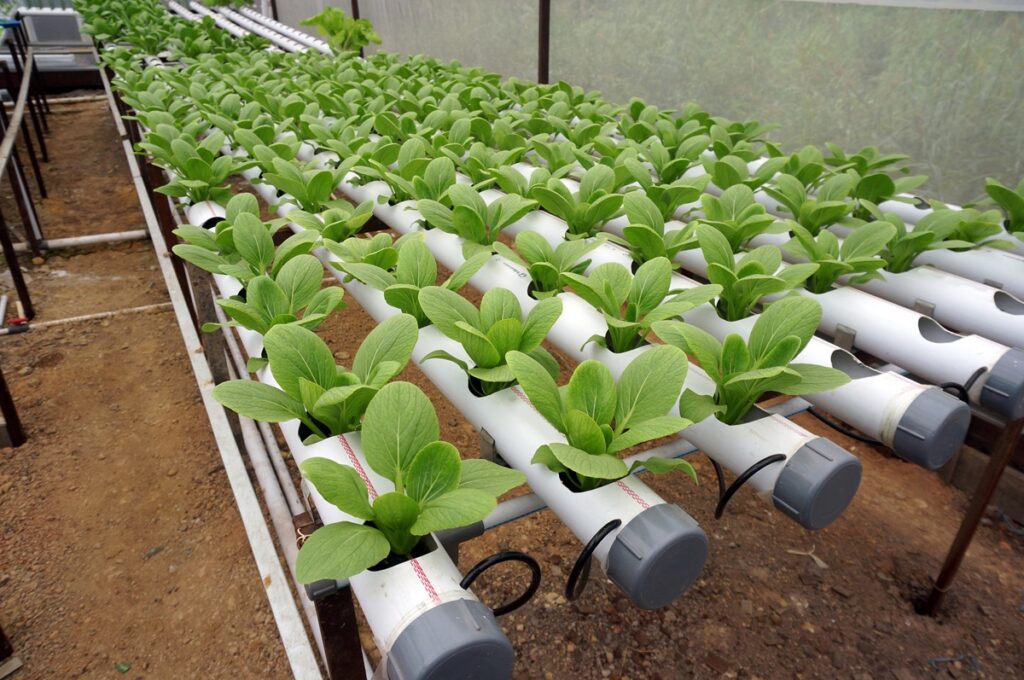
Hydroponic systems are designed to use water more efficiently than traditional soil gardening. Since water is recirculated within the system, evaporation and runoff are minimized. Studies have shown that hydroponic setups can use up to 90% less water than conventional farming methods. For example, a commercial hydroponic tomato farm in California reports saving thousands of gallons of water annually by implementing a closed-loop nutrient film technique (NFT) system.
This conservation is especially critical in regions facing water scarcity. Hydroponic systems can be tailored to local conditions, reducing the strain on freshwater resources. Additionally, because nutrients are delivered directly to the plant roots in precise amounts, there is less wastage and pollution of surrounding soil and water bodies, making hydroponics an environmentally friendly alternative.
Precise Control Over Growing Conditions
Hydroponic gardening allows growers to meticulously control environmental factors such as pH, nutrient concentration, temperature, and humidity. This level of precision results in healthier plants and higher-quality produce. For example, hydroponic strawberry farms in California maintain optimal nutrient solutions and temperature controls, resulting in larger, sweeter berries compared to traditional field-grown strawberries.
Furthermore, this control enables year-round cultivation regardless of seasonal changes or adverse weather conditions. Indoor hydroponic setups equipped with LED grow lights and climate control systems can produce crops continuously, providing a stable supply of fresh produce. This consistency is invaluable for commercial growers aiming to meet market demands and for home gardeners seeking reliable harvests.
Reduced Pest and Disease Incidence
Growing plants in a soil-free environment significantly diminishes the risk of soil-borne pests and diseases. Common issues such as root rot, fungal infections, and nematodes are less prevalent in hydroponic systems. For example, hydroponic lettuce farms often report fewer pesticide applications because the controlled environment minimizes pest infestations.
This reduction not only leads to healthier plants but also results in safer, cleaner produce for consumers. Additionally, the controlled environment makes it easier to implement integrated pest management strategies, further reducing the need for chemical interventions. As a result, hydroponic produce is often considered more organic and environmentally sustainable.
Faster Return on Investment and Cost Savings
Although the initial setup costs for hydroponic systems can be higher than traditional gardening, the long-term financial benefits are substantial. Faster crop cycles mean quicker turnover and more frequent harvests, which can lead to increased revenue. For example, a small-scale hydroponic herb garden can produce multiple harvests in a single season, providing fresh herbs for local restaurants or markets with minimal ongoing costs.
Moreover, the efficient use of water and nutrients reduces operational expenses. Energy costs associated with lighting and climate control are often offset by higher yields and shorter crop cycles. Many commercial growers find that hydroponic systems pay for themselves within a few years due to increased productivity and resource savings.
Environmental Sustainability and Reduced Carbon Footprint
Hydroponic gardening supports sustainable agriculture by conserving water, reducing chemical runoff, and minimizing land use. Its ability to produce high yields in urban environments reduces the need for long-distance transportation, thereby lowering carbon emissions associated with food distribution. For example, urban hydroponic farms in Chicago and Boston supply fresh produce directly to local markets, decreasing reliance on imported goods.
Additionally, hydroponic systems can be integrated with renewable energy sources such as solar panels, further decreasing their environmental impact. The reduced land requirement also preserves natural ecosystems and promotes biodiversity by decreasing the need for deforestation and soil cultivation.
Examples of Successful Hydroponic Projects
- Freight Farms: This company has developed modular, container-based hydroponic farms that can be deployed in urban areas worldwide. Their systems enable local food production, reducing transportation emissions and providing fresh produce in food deserts.
- Mirai Factory in Japan: Known for its innovative vertical hydroponic farms, Mirai Factory produces leafy greens and herbs with minimal water and energy use, demonstrating the scalability of hydroponic technology.
- NASA’s Veggie Plant Growth System: NASA has experimented with hydroponic systems aboard the International Space Station to grow fresh vegetables in space, highlighting the potential for hydroponics in extreme environments and future space missions.
Getting Started with Hydroponic Gardening
If you’re interested in exploring hydroponic gardening, start with a simple system such as a nutrient film technique (NFT) or deep water culture (DWC) setup. These systems are affordable and easy to maintain for beginners. Select crops that are well-suited for hydroponic growth, such as lettuce, spinach, basil, or cherry tomatoes.
Invest in quality grow lights, pH testing kits, and nutrient solutions tailored for your chosen plants. Regular monitoring of water quality and environmental conditions is essential to ensure optimal growth. Many local gardening centers and online retailers offer starter kits and detailed guides to help you set up your first hydroponic system.
As you gain experience, you can experiment with more advanced techniques like aeroponics or vertical farming to maximize space and efficiency. Joining online communities or local gardening clubs can provide valuable support and ideas for expanding your hydroponic garden.
Conclusion
Hydroponic gardening offers a multitude of benefits that make it an attractive option for both hobbyists and commercial growers. Its ability to accelerate plant growth, conserve resources, and produce high-quality crops in controlled environments makes it a sustainable and efficient method of cultivation. Whether you’re looking to grow fresh herbs on your balcony or establish a large-scale urban farm, hydroponics provides a versatile and innovative solution to meet your needs. Embrace this technology to enjoy faster harvests, healthier plants, and a greener footprint.
People Also Ask
What are common types of hydroponic systems used by home gardeners?
Common hydroponic systems include nutrient film technique (NFT), deep water culture (DWC), and drip systems. Each system has its own setup requirements and suitability depending on the plants being grown and available space. Home gardeners often choose simpler systems like DWC or wick systems for ease of maintenance and cost-effectiveness.
Other Questions People Ask
How does hydroponic gardening help plants grow faster and more efficiently?
Hydroponic gardening accelerates plant growth by providing nutrients directly to the roots in a controlled water solution, eliminating the need for extensive root development in soil. This targeted delivery allows plants to allocate more energy toward above-ground growth, resulting in quicker harvests. Additionally, the precise control over environmental factors optimizes conditions for rapid and healthy plant development.
What are the resource-saving benefits of using hydroponic gardening for plant growth?
Hydroponic systems use significantly less water—up to 90% less—because water is recirculated within the system, reducing evaporation and runoff. Nutrients are also delivered directly to the plants, minimizing waste and environmental pollution. This efficient resource use makes hydroponics especially suitable for areas facing water scarcity and promotes sustainable gardening practices.
In what ways does hydroponic gardening reduce pest and disease problems compared to traditional soil gardening?
Growing plants in a soil-free environment reduces exposure to soil-borne pests and diseases such as root rot and fungal infections. The controlled environment of hydroponic systems allows for better pest management and fewer pesticide applications. This results in healthier plants, safer produce, and a more reliable harvest for both commercial and home growers.