Key Takeaway: To succeed with hydroponic gardening, maintain a consistent nutrient solution by regularly checking and adjusting pH and nutrient levels. Ensure proper lighting, ventilation, and temperature control to promote healthy plant growth. Use high-quality, sterile equipment to prevent disease and pests, and monitor plants frequently for signs of deficiencies or problems. Properly balancing these factors will optimize growth and yields in your hydroponic system.
Contents
- Essential Tips for Successful Hydroponic Gardening
- Understanding the Basics of Hydroponic Gardening
- Choosing the Right Hydroponic System
- Maintaining Optimal Nutrient Balance
- Ensuring Adequate Oxygenation
- Lighting and Environmental Control
- Monitoring and Troubleshooting Common Issues
- Optimizing Growth with Proper Plant Selection and Spacing
- Implementing Sustainable Practices
- Conclusion: Your Path to Hydroponic Success
- Related Questions
- What tips can help beginners succeed with hydroponic gardening?
- How does hydroponic gardening compare to alternatives?
- What are the key steps involved in hydroponic gardening?
Essential Tips for Successful Hydroponic Gardening
Hydroponic gardening offers a vibrant, soil-free way to cultivate lush plants indoors or in limited spaces, but success hinges on meticulous attention to detail. Maintaining a stable nutrient solution requires regular pH and nutrient level checks, ensuring plants receive exactly what they need to thrive. Equally important are the environmental conditions—bright, consistent lighting, proper airflow, and temperature control—that create an ideal setting for healthy growth. Using sterile, high-quality equipment minimizes the risk of disease and pests, while close monitoring allows for quick intervention at the first sign of trouble. When these elements are carefully balanced, your hydroponic system can produce bountiful, vibrant crops with remarkable efficiency.
Understanding the Basics of Hydroponic Gardening
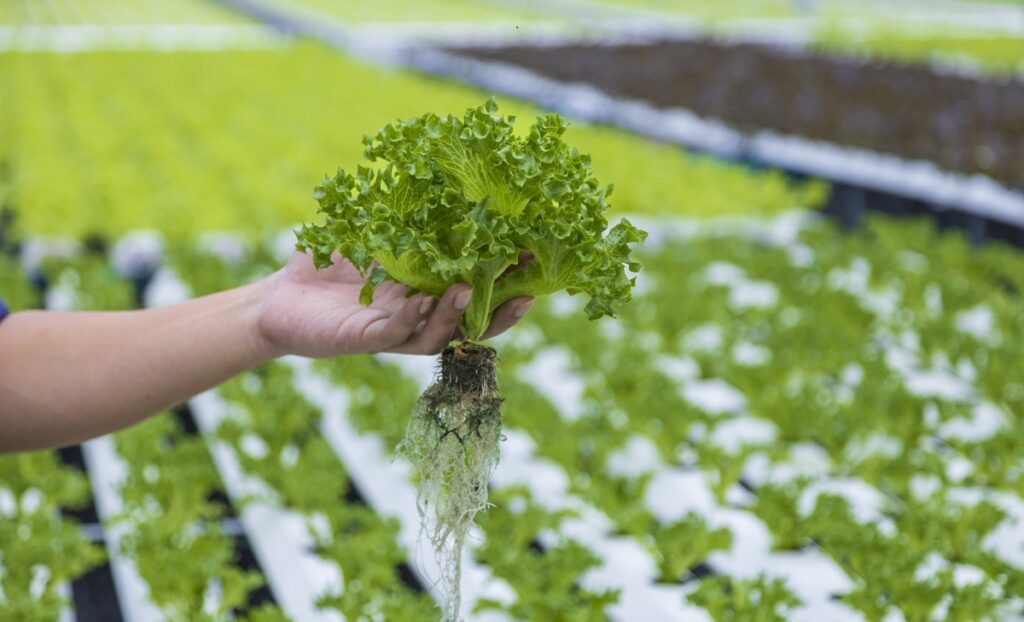
Hydroponic gardening is a method of growing plants without soil, using nutrient-rich water solutions to deliver essential minerals directly to the roots. This technique allows for faster plant growth, higher yields, and the ability to grow in limited spaces or challenging environments. Before diving into specific tips, it’s important to grasp the fundamental principles that underpin successful hydroponic systems.
- Water and Nutrients: Plants rely on a carefully balanced mix of water, oxygen, and nutrients. In hydroponics, this balance is maintained through precise control of the nutrient solution.
- Lighting: Adequate light, whether natural or artificial, is crucial for photosynthesis. LED grow lights are popular for indoor setups due to their efficiency and spectrum control.
- Support Structures: Plants need physical support as their roots develop. Trellises, net pots, or foam inserts are commonly used to hold plants in place.
Choosing the Right Hydroponic System
There are several types of hydroponic systems, each suited to different plant types, space constraints, and experience levels. Selecting the right system is a foundational step toward success.
- Nutrient Film Technique (NFT): This system involves a thin film of nutrient solution flowing over the roots, ideal for leafy greens like lettuce and herbs.
- Deep Water Culture (DWC): Plants are suspended in a nutrient-rich oxygenated water reservoir, perfect for fast-growing plants such as basil and spinach.
- Flood and Drain (Ebb and Flow): The system periodically floods the grow tray with nutrient solution, then drains it back into a reservoir, suitable for a variety of vegetables.
- Drip Systems: Nutrients are dripped directly onto the base of each plant, offering precise control, often used for fruiting plants like tomatoes.
Consider your available space, budget, and the types of plants you wish to grow when choosing a system. For beginners, DWC or simple drip systems are often recommended due to their ease of setup and maintenance.
Maintaining Optimal Nutrient Balance
One of the most critical aspects of hydroponic gardening is ensuring your plants receive the right nutrients in the correct proportions. An imbalance can lead to deficiencies or toxicities, affecting plant health and yield.
- Use Quality Nutrient Solutions: Commercially available hydroponic nutrients are formulated to provide all essential macro- and micronutrients. For example, a balanced solution might contain nitrogen, phosphorus, potassium, calcium, magnesium, and trace elements like iron and manganese.
- Monitor pH Levels: The pH of your nutrient solution should typically be maintained between 5.5 and 6.5. Use a reliable pH meter or test strips regularly, adjusting with pH up or down solutions as needed.
- Maintain Electrical Conductivity (EC): EC measures the concentration of nutrients in the water. Different plants have varying EC preferences; leafy greens thrive at around 1.5-2.0 mS/cm, while fruiting plants may require higher levels.
- Regularly Change Nutrient Solutions: To prevent salt buildup and nutrient imbalances, replace the solution every 1-2 weeks, or as recommended for your specific plants and system.
Ensuring Adequate Oxygenation
Oxygen is vital for root health, especially in water-based systems. Roots need oxygen to absorb nutrients effectively and prevent diseases such as root rot.
- Use Air Pumps and Diffusers: Incorporate air stones connected to air pumps to increase dissolved oxygen levels in the water. This is particularly important in Deep Water Culture systems.
- Maintain Proper Water Temperature: Keep water temperatures between 65°F and 75°F (18°C to 24°C). Warmer water holds less oxygen and can promote pathogen growth.
- Avoid Stagnation: Ensure water flows or circulates adequately to prevent stagnation, which can lead to oxygen depletion and disease.
Lighting and Environmental Control
For indoor hydroponic setups, controlling light and environmental conditions is essential for maximizing growth and preventing stress.
- Provide Sufficient Light: Most vegetables require 12-16 hours of light daily. Use full-spectrum LED grow lights for optimal photosynthesis, adjusting intensity and duration based on plant needs.
- Regulate Temperature and Humidity: Maintain daytime temperatures between 70°F and 80°F (21°C to 27°C) and humidity levels around 50-70%. Use fans, heaters, or humidifiers as needed.
- Ensure Proper Ventilation: Good airflow reduces humidity buildup and prevents mold and pests. Exhaust fans and oscillating fans are effective tools.
Monitoring and Troubleshooting Common Issues
Regular observation and prompt action are key to preventing problems in your hydroponic garden.
- Watch for Nutrient Deficiencies: Symptoms include yellowing leaves (nitrogen deficiency), stunted growth (potassium deficiency), or pale new leaves (iron deficiency). Adjust nutrient solutions accordingly.
- Prevent and Manage Pests: Common pests include aphids, spider mites, and whiteflies. Use organic insecticidal soaps or introduce beneficial insects like ladybugs.
- Detect Diseases Early: Root rot caused by overwatering or poor oxygenation manifests as brown, mushy roots. Improve oxygenation and reduce water temperature if detected.
- Maintain Cleanliness: Regularly sterilize equipment and remove dead plant material to prevent pathogen buildup.
Optimizing Growth with Proper Plant Selection and Spacing
Choosing the right plants and providing adequate space between them promotes healthy development and maximizes yield.
- Select Suitable Crops: Leafy greens like lettuce, kale, and herbs such as basil and mint are ideal for beginners. Fruit-bearing plants like tomatoes, peppers, and strawberries require more space and support but can be highly rewarding.
- Follow Spacing Guidelines: Overcrowding can lead to poor air circulation and disease. For example, space tomato plants about 18-24 inches apart, while lettuce can be planted 6-12 inches apart.
- Use Companion Planting: Certain plants, such as basil near tomatoes, can improve flavor and deter pests, enhancing overall garden health.
Implementing Sustainable Practices
Hydroponic gardening offers opportunities for eco-friendly practices that conserve resources and reduce waste.
- Recycle Nutrients: Collect runoff and reuse nutrient solutions when appropriate, reducing waste and cost.
- Conserve Water: Closed-loop systems recycle water, minimizing consumption. Regularly check for leaks and evaporation losses.
- Use Organic Nutrients: When possible, opt for organic or homemade nutrient solutions to reduce chemical inputs and promote healthier produce.
Conclusion: Your Path to Hydroponic Success
By understanding the core principles of hydroponic gardening and applying these practical tips, you can cultivate a productive and sustainable garden regardless of space limitations or soil quality. Remember to start small, monitor your system regularly, and adapt your practices based on plant responses. With patience and attention to detail, you’ll enjoy fresh, homegrown vegetables and herbs all year round, while also gaining a deeper appreciation for innovative gardening techniques.
Related Questions
What tips can help beginners succeed with hydroponic gardening?
Beginners benefit from starting with the basics of hydroponic gardening and focusing on core practices. Setting realistic goals and building skills gradually can boost confidence. Seeking out reputable tutorials or mentors accelerates progress and reduces frustration. Patience and consistency are key to mastering the essentials and moving on to more advanced techniques.
How does hydroponic gardening compare to alternatives?
Comparing hydroponic gardening to alternative options highlights its unique strengths and weaknesses. Evaluating factors like cost, performance and ease of use can clarify which option is best for you. Some alternatives may excel in specific areas, while hydroponic gardening offers advantages elsewhere. A balanced assessment will help you choose the solution that fits your priorities.
What are the key steps involved in hydroponic gardening?
Carrying out hydroponic gardening typically follows a sequence of critical steps that build on one another. Beginning with planning and preparation ensures that your resources are in place. Executing each stage carefully allows you to address challenges as they arise. Reviewing and refining the process afterwards helps improve future outcomes.