Quick Summary: Hydroponic gardening allows for faster plant growth and higher yields compared to traditional soil gardening, as plants receive nutrients directly through water. It uses less water, making it more sustainable and efficient, especially in areas with limited water resources. Additionally, hydroponic systems can be set up indoors or in small spaces, enabling year-round cultivation regardless of climate. This method also reduces soil-borne pests and diseases, leading to healthier plants and less need for chemical pesticides.
Section Overview
- Benefits of Hydroponic Gardening for Faster and Sustainable Growth
- Accelerated Plant Growth and Higher Yields
- Efficient Use of Water and Nutrients
- Reduced Pest and Disease Pressure
- Space Optimization and Urban Farming
- Environmental Sustainability and Reduced Carbon Footprint
- Consistent Quality and Year-Round Production
- Cost Savings and Economic Benefits
- Educational and Community Engagement Opportunities
- Conclusion
- People Also Ask
- What are the main benefits of hydroponic gardening?
- What nutrients are essential for hydroponic plants?
- What is hydroponic gardening and why is it important?
Benefits of Hydroponic Gardening for Faster and Sustainable Growth
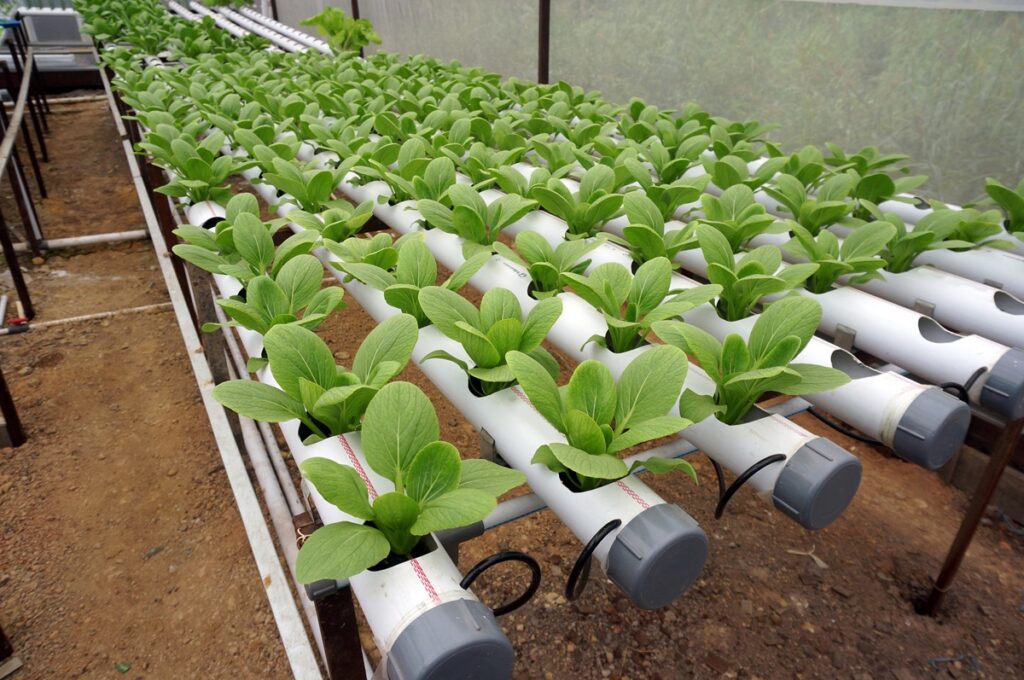
Hydroponic gardening offers a vibrant alternative to traditional soil-based cultivation, allowing plants to thrive with nutrient-rich water delivered directly to their roots. This method accelerates growth rates and boosts yields, making it an appealing choice for both urban gardeners and those seeking efficient food production. Its water-saving benefits are particularly vital in arid regions, where conserving resources is crucial, and the ability to grow indoors or in confined spaces means fresh produce can be harvested year-round, regardless of weather conditions. By minimizing soil-borne pests and diseases, hydroponics also reduces the need for chemical interventions, fostering healthier plants and a more sustainable approach to gardening.
Accelerated Plant Growth and Higher Yields
One of the most compelling reasons to adopt hydroponic systems is the potential for faster plant growth. Unlike traditional soil gardening, where roots must search for nutrients and water, hydroponic plants receive a precisely balanced nutrient solution delivered directly to their roots. This direct access allows plants to absorb nutrients more efficiently, resulting in quicker development cycles.
For example, lettuce grown hydroponically can reach harvest maturity in as little as 30 days, compared to 45-60 days in soil. Similarly, herbs like basil and mint often mature in 3-4 weeks, providing multiple harvests within a single growing season. Commercial growers have reported yield increases of up to 25-50% using hydroponic systems, thanks to the optimized environment and nutrient delivery. This accelerated growth not only boosts productivity but also enables year-round cultivation, regardless of seasonal constraints.
Efficient Use of Water and Nutrients
Hydroponic systems are inherently more water-efficient than traditional farming methods. Since water in hydroponic setups is recirculated through the system, it minimizes waste and reduces overall water consumption by up to 90%. This is particularly advantageous in arid regions or areas facing water scarcity, where conserving water is critical.
Furthermore, because nutrients are delivered directly to the plant roots in a controlled manner, there is less runoff and leaching into the environment. This precise nutrient management reduces the risk of over-fertilization, which can lead to pollution of nearby waterways. For instance, a hydroponic tomato farm can use only a fraction of the water and fertilizer compared to conventional soil-based farms, making it a more sustainable choice for large-scale agriculture.
Reduced Pest and Disease Pressure
Growing plants in a soil-free environment significantly diminishes the risk of soil-borne pests and diseases. Common issues such as root rot, nematodes, and soil fungi are virtually eliminated in hydroponic systems. This reduction in pest and disease pressure means that growers can minimize or even eliminate the use of chemical pesticides and herbicides, leading to healthier produce and a safer environment.
Additionally, controlled environments like indoor hydroponic farms allow for better monitoring and management of pests. For example, integrated pest management (IPM) strategies can be more effectively implemented, and the use of biological controls becomes more feasible. This results in cleaner, higher-quality crops that meet organic standards and consumer preferences for pesticide-free produce.
Space Optimization and Urban Farming
Hydroponic gardening is particularly well-suited for urban environments where space is limited. Vertical hydroponic systems, such as tower gardens and rack-mounted setups, enable growers to maximize yield within a small footprint. For instance, a single 4-foot-tall vertical farm can produce the equivalent of several acres of traditional farmland, making it ideal for city rooftops, indoor warehouses, and community gardens.
Urban farmers can utilize unused spaces like parking lots, abandoned buildings, or even balconies to establish productive hydroponic farms. This approach not only provides fresh produce to local communities but also reduces the carbon footprint associated with transporting food over long distances. Cities like New York and Tokyo have successfully implemented vertical hydroponic farms, demonstrating the practicality and scalability of this method.
Environmental Sustainability and Reduced Carbon Footprint
Hydroponic systems contribute to environmental sustainability in several ways. By using less water and land, they help conserve vital natural resources. Moreover, because hydroponic farms can be set up in controlled environments, they often require less energy for heating, cooling, and lighting compared to traditional open-field agriculture.
Some hydroponic farms incorporate renewable energy sources such as solar panels to further reduce their carbon footprint. Additionally, the ability to grow food locally reduces the need for transportation, which is a significant contributor to greenhouse gas emissions. For example, a hydroponic lettuce farm located within a city can supply fresh greens to local markets, eliminating the need for long-haul trucking and associated emissions.
Consistent Quality and Year-Round Production
Unlike traditional farming, which is heavily dependent on seasonal weather conditions, hydroponic gardening allows for consistent production throughout the year. Indoor hydroponic systems can be operated in controlled environments, maintaining optimal temperature, humidity, and light levels regardless of external weather patterns.
This consistency ensures a steady supply of fresh produce, which is especially valuable for restaurants, grocery stores, and consumers seeking reliable access to seasonal foods. For example, hydroponic strawberries can be harvested every 60-70 days, providing multiple crops annually, whereas outdoor strawberries are limited to specific growing seasons.
Furthermore, the ability to grow in controlled conditions reduces crop failures caused by droughts, floods, or pests, ensuring economic stability for growers and consistent availability for consumers.
Cost Savings and Economic Benefits
While initial setup costs for hydroponic systems can be higher than traditional gardening, the long-term savings and economic benefits are substantial. Reduced water and fertilizer use lower operational costs, and faster crop cycles mean quicker returns on investment.
Commercial hydroponic farms can achieve higher yields per square foot, making better use of limited space and increasing profitability. Additionally, the ability to grow high-value crops like herbs, microgreens, and specialty vegetables year-round opens new revenue streams.
For hobbyists and small-scale growers, hydroponics can reduce the need for purchasing soil, pesticides, and other inputs, leading to lower ongoing expenses. As technology advances and more affordable systems become available, hydroponic gardening is becoming an increasingly accessible and economically viable option for a wide range of growers.
Educational and Community Engagement Opportunities
Hydroponic gardening offers valuable educational opportunities for schools, community centers, and environmental organizations. It provides a hands-on way to teach about plant biology, sustainable agriculture, and environmental stewardship. Students can learn about nutrient cycles, water conservation, and the importance of local food systems through interactive hydroponic projects.
Community hydroponic farms can foster social cohesion, promote healthy eating, and support local food initiatives. For example, urban community gardens equipped with hydroponic systems can empower residents to grow their own vegetables, reducing food insecurity and encouraging sustainable practices.
Moreover, these projects can inspire innovation and entrepreneurship, leading to new business models and job creation within local economies.
Conclusion
Hydroponic gardening stands out as a forward-thinking approach to agriculture that combines speed, efficiency, and sustainability. Its ability to produce higher yields in less space, with minimal water and nutrient waste, makes it an attractive solution for addressing global food security challenges. As technology continues to advance, and awareness of environmental issues grows, hydroponics is poised to play a vital role in shaping the future of sustainable food production.
Whether you are interested in growing fresh herbs on your kitchen windowsill or establishing a commercial farm, embracing hydroponic techniques can lead to healthier plants, reduced environmental impact, and a more resilient food system for generations to come.
People Also Ask
What are the main benefits of hydroponic gardening?
Hydroponic gardening allows for faster plant growth and higher yields compared to traditional soil gardening. It also uses less water since the nutrient solution is recirculated, making it more environmentally friendly. Additionally, it can be practiced indoors or in small spaces, providing fresh produce year-round regardless of outdoor conditions.
What nutrients are essential for hydroponic plants?
Hydroponic plants require a balanced mix of macronutrients such as nitrogen, phosphorus, and potassium, along with micronutrients like calcium, magnesium, and iron. These nutrients are typically supplied through specially formulated hydroponic nutrient solutions. Proper nutrient management is crucial to prevent deficiencies and ensure healthy plant development.
What is hydroponic gardening and why is it important?
Understanding what hydroponic gardening entails provides a solid foundation for further learning. It encompasses both the key concepts and the role it plays in its broader context. Knowing why it matters helps you prioritise it appropriately and recognise the benefits it can offer. This perspective also guides your decisions about when and how to apply hydroponic gardening.