Instant Insight: To set up a simple hydroponic system at home, start with a container like a plastic tub or bucket filled with nutrient-rich water. Place a net pot or container with your plants’ roots suspended in the water, ensuring the roots can access the solution. Use a growing medium such as clay pellets or perlite to support the plants and retain moisture. Maintain the system by regularly checking water levels, pH, and nutrient concentration, and ensure adequate light for healthy plant growth.
Section Overview
- How to Set Up a Simple Hydroponic System at Home
- Understanding Hydroponics: The Basics
- Choosing the Right Location and Space
- Selecting Your Hydroponic System
- Gathering Materials and Equipment
- Setting Up Your Hydroponic System
- Maintaining Your Hydroponic System
- Growing Tips and Troubleshooting
- Benefits of Home Hydroponics
- Additional Resources and Tips
- People Also Ask
- What are the main components of a hydroponic system?
- How does a hydroponic system differ from traditional soil gardening?
- What are the common types of hydroponic systems used by home gardeners?
How to Set Up a Simple Hydroponic System at Home
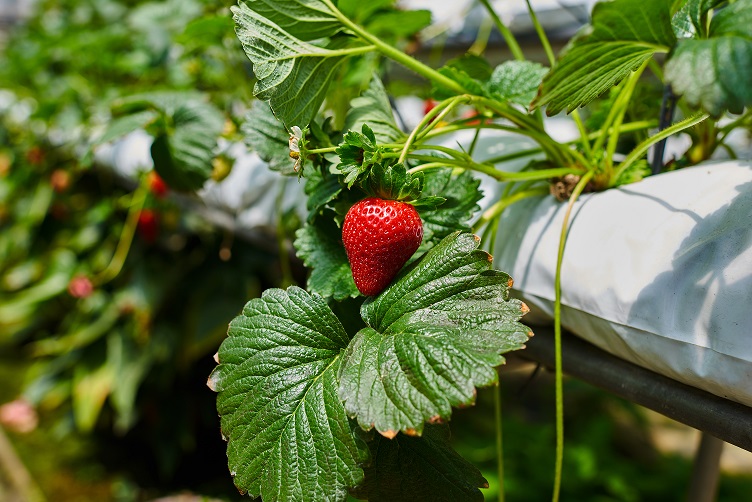
Setting up a simple hydroponic system at home transforms a basic container into a miniature garden where plants thrive without soil. Imagine a clear plastic tub filled with a carefully balanced mix of water and nutrients, with roots gently suspended in the solution, reaching out for nourishment. Supporting the plants with clay pellets or perlite keeps them stable and helps retain moisture, creating an ideal environment for growth. Regular attention to water levels, pH balance, and light ensures your leafy greens or herbs flourish in this soil-free setup.
Understanding Hydroponics: The Basics
Before diving into the setup process, it’s important to understand what hydroponics entails. Hydroponic gardening involves growing plants in a soilless environment where nutrients are delivered directly to the roots via water. This method minimizes pests and diseases associated with soil, reduces water usage, and allows for precise control over growing conditions.
Common types of hydroponic systems include nutrient film technique (NFT), deep water culture (DWC), drip systems, and wick systems. For beginners, a simple deep water culture or wick system is often the easiest to assemble and maintain.
Choosing the Right Location and Space
Start by selecting a suitable location in your home that offers adequate light, temperature control, and accessibility. A sunny windowsill, a basement corner, or a dedicated grow room are ideal options. Ensure the space has enough room for your chosen system and allows for easy monitoring and maintenance.
Consider the light requirements of your plants. Most herbs and leafy greens thrive with 12-16 hours of light daily. If natural sunlight is limited, plan to incorporate grow lights to supplement.
Selecting Your Hydroponic System
For beginners, a simple deep water culture (DWC) system is highly recommended. It involves suspending plant roots in a nutrient-rich oxygenated water solution. Alternatively, a wick system uses a wick to draw nutrient solution from a reservoir to the plant roots, making it even simpler to set up.
- Deep Water Culture (DWC): Requires a container, air pump, air stone, net pots, and growing medium like clay pellets or rockwool.
- Wick System: Uses a reservoir, wicks (like cotton or nylon), and containers for plants. It’s low maintenance and ideal for small-scale setups.
Gathering Materials and Equipment
Once you’ve chosen your system, gather the necessary materials:
- Container: A food-grade plastic bucket or tote with a lid, typically 5-10 gallons for small setups.
- Nutrient Solution: A hydroponic-specific fertilizer that supplies essential macro and micronutrients. You can purchase pre-mixed solutions or make your own based on plant needs.
- Growing Medium: Clay pellets, coconut coir, or rockwool to support plant roots.
- Air Pump and Air Stone: To oxygenate the water in DWC systems.
- Net Pots: Small pots with holes to hold plants and growing medium.
- Lighting: Grow lights such as LED panels or fluorescent tubes if natural light is insufficient.
- pH Testing Kit and pH Adjusters: To maintain optimal pH levels (around 5.5-6.5).
- Seeds or Seedlings: Choose herbs like basil, mint, or parsley, or leafy greens such as lettuce and spinach.
Setting Up Your Hydroponic System
Follow these detailed steps to assemble your hydroponic garden:
- Prepare the Container: Clean your chosen container thoroughly to prevent mold or bacteria. Drill or cut holes in the lid for net pots if necessary.
- Install the Air Pump and Air Stone: Place the air stone at the bottom of the container and connect it to the air pump outside the reservoir. This oxygenates the water, promoting healthy root growth.
- Fill with Nutrient Solution: Mix your hydroponic fertilizer with water according to the manufacturer’s instructions. Use the pH testing kit to ensure the solution is within the optimal range, adjusting as needed with pH up or down solutions.
- Insert Net Pots and Plant Seeds: Fill the net pots with your chosen growing medium. Plant your seeds or seedlings, ensuring roots are in contact with the nutrient solution or growing medium that will wick moisture.
- Position the System: Place your setup in the designated location, ensuring it receives adequate light or set up your grow lights above the system.
Maintaining Your Hydroponic System
Regular maintenance is key to a successful hydroponic garden. Here are some essential tips:
- Monitor Water Levels: Check daily to ensure the water level remains consistent. Top up with nutrient solution as needed.
- Maintain pH Levels: Test weekly and adjust to keep pH within the optimal range. Proper pH ensures nutrient availability.
- Change Nutrient Solution: Replace the entire solution every 2-3 weeks to prevent nutrient imbalances and algae growth.
- Inspect Roots and Plants: Regularly check for root rot, pests, or disease. Healthy roots should be white or light tan and free of slime.
- Provide Adequate Lighting: Ensure plants receive sufficient light, adjusting grow lights as plants grow taller.
Growing Tips and Troubleshooting
Successful hydroponic gardening involves understanding plant needs and responding to issues promptly:
- Choose the Right Plants: Start with easy-to-grow herbs like basil, cilantro, or mint, and leafy greens such as lettuce or Swiss chard.
- Ensure Proper Oxygenation: An air pump and stone are vital for preventing root rot and promoting healthy growth.
- Manage Pests and Diseases: Keep the system clean, and inspect plants regularly. Use organic pest control methods if necessary.
- Adjust Light and Temperature: Maintain temperatures between 65-75°F (18-24°C) and provide sufficient light for optimal growth.
- Address Nutrient Deficiencies: Yellowing leaves or stunted growth may indicate nutrient imbalance. Adjust fertilizer accordingly.
Benefits of Home Hydroponics
Growing plants hydroponically at home offers numerous advantages:
- Faster Growth: Plants often mature 25-50% faster than soil-grown counterparts due to direct nutrient access.
- Space Efficiency: Hydroponic systems can be stacked or placed in small spaces, making them ideal for urban environments.
- Water Conservation: Hydroponics uses up to 90% less water than traditional gardening because water is recirculated.
- Reduced Pests and Diseases: Soil-borne pests are eliminated, reducing the need for pesticides.
- Year-Round Growing: Controlled indoor environments allow for continuous cultivation regardless of season.
Additional Resources and Tips
For further guidance, consider consulting online forums such as the Reddit Hydroponics community or visiting local gardening centers for advice tailored to your climate and space. Keep a gardening journal to track your system’s performance, plant growth stages, and any adjustments made. Experiment with different plant varieties and nutrient mixes to optimize your setup.
Remember, patience and observation are key. As you gain experience, you’ll learn to fine-tune your system for maximum productivity and enjoyment of fresh, home-grown produce.
People Also Ask
What are the main components of a hydroponic system?
A hydroponic system typically includes a nutrient delivery system, a growing medium, a water reservoir, and a support structure for plants. The nutrient delivery system can be a drip, flood-and-drain, or nutrient film technique, among others. The growing medium provides support for the roots but does not supply nutrients, which are delivered directly through the water. Properly setting up these components ensures healthy plant growth and efficient nutrient uptake.
How does a hydroponic system differ from traditional soil gardening?
A hydroponic system grows plants without soil, using a nutrient-rich water solution to deliver essential nutrients directly to the roots. This method allows for faster plant growth, higher yields, and more efficient use of space and water. Unlike traditional gardening, hydroponics reduces soil-borne pests and diseases and can be implemented indoors or in areas with poor soil quality. It also requires careful monitoring of nutrient levels and pH balance to ensure optimal plant health.
What are the common types of hydroponic systems used by home gardeners?
Common types of hydroponic systems for home use include nutrient film technique (NFT), deep water culture (DWC), and drip systems. NFT involves a thin film of nutrient solution flowing over the roots, while DWC suspends plant roots in a nutrient-rich oxygenated water solution. Drip systems deliver nutrients directly to each plant through a network of tubes and emitters. Each system has its advantages and is suitable for different types of plants and space constraints.
Related Questions
What are the essential steps to set up a simple hydroponic system at home?
To set up a simple hydroponic system at home, start by selecting a suitable container and filling it with nutrient-rich water. Install a net pot or container with your plants’ roots suspended in the water, supported by a growing medium like clay pellets. Ensure the system is placed in a location with adequate light and regularly check water levels, pH, and nutrients to maintain optimal conditions for plant growth.
How can I choose the right materials for a basic hydroponic setup at home?
Choose a food-grade plastic container, such as a bucket or tote, that can hold your nutrient solution securely. Gather a hydroponic-specific fertilizer, net pots, and a growing medium like rockwool or clay pellets. Additionally, include an air pump and air stone for oxygenation, and consider grow lights if natural sunlight is insufficient for your plants.
What maintenance tasks are necessary to keep a simple hydroponic system healthy at home?
Regularly monitor and top up water levels to ensure your plants have enough moisture. Test and adjust the pH of your nutrient solution weekly to keep it within the ideal range of 5.5-6.5. Every 2-3 weeks, replace the entire nutrient solution to prevent imbalances and check roots for signs of disease or pests to keep your system healthy.