Quick Take: Hydroponics can be considered good because it uses less water and land than traditional farming, allows for faster crop growth, and can be practiced in controlled environments, reducing pests and diseases. However, it can also have drawbacks, such as high initial setup costs, reliance on electricity, and potential nutrient runoff if not managed properly. Overall, hydroponics is a sustainable and efficient method when implemented correctly, but it requires careful management and investment.
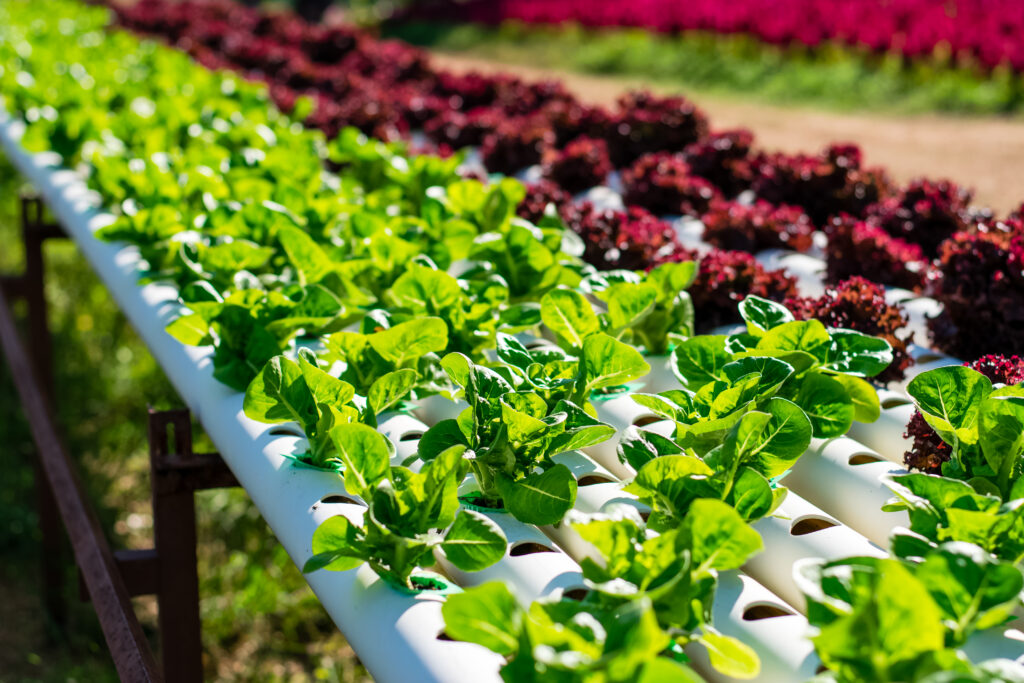
Section Overview
- Benefits of Hydroponics for Sustainable Farming
- Water Efficiency and Conservation
- Land Use Efficiency and Space Optimization
- Reduced Use of Pesticides and Chemical Inputs
- Faster Growth Cycles and Increased Yields
- Environmental Benefits and Reduced Carbon Footprint
- Supporting Local Economies and Food Security
- Educational and Research Opportunities
- Challenges and Considerations
- Conclusion
- People Also Ask
- How does hydroponic farming differ from traditional soil gardening?
- What are the main types of hydroponic systems used by growers?
- What are the benefits of using hydroponics for growing vegetables?
Benefits of Hydroponics for Sustainable Farming
Hydroponics is transforming the way we think about sustainable farming, offering a method that conserves water and land while accelerating crop growth in controlled environments. By eliminating the need for soil, it minimizes the risk of pests and diseases, allowing for cleaner, more predictable yields. This innovative approach can be a game-changer for urban agriculture and regions with limited arable land, but it demands a significant initial investment and reliable energy sources. When managed with care, hydroponics presents a promising path toward more efficient and environmentally friendly food production.
Hydroponics, a method of growing plants without soil by using mineral nutrient solutions in an aqueous solvent, has gained significant attention as a sustainable alternative to traditional farming. Its innovative approach offers numerous advantages that address some of the most pressing challenges faced by modern agriculture, including water conservation, land use efficiency, and environmental impact. By understanding these benefits, farmers, gardeners, and policymakers can make informed decisions to adopt hydroponic systems that promote sustainability and food security.
Water Efficiency and Conservation
One of the most compelling benefits of hydroponic farming is its remarkable water efficiency. Traditional soil-based agriculture can require thousands of gallons of water per acre, much of which is lost through runoff, evaporation, or soil absorption. In contrast, hydroponic systems typically use 70-90% less water because they recycle nutrient solutions within a closed-loop system. For example, in a commercial hydroponic lettuce farm in California, water usage was reduced by approximately 80% compared to conventional methods, enabling the farm to operate sustainably even during drought conditions.
This water-saving capability is particularly vital in arid regions or areas experiencing water scarcity. Hydroponic systems can be designed to deliver precise amounts of water directly to plant roots, minimizing waste and ensuring that plants receive optimal hydration. Additionally, the controlled environment reduces the need for frequent watering, further conserving resources.
Land Use Efficiency and Space Optimization
Hydroponics allows for intensive cultivation in a fraction of the space required for traditional farming. Vertical farming, a subset of hydroponic agriculture, enables stacking multiple layers of crops within a single building, dramatically increasing yield per square foot. For instance, a vertical hydroponic farm in New York City can produce the same amount of leafy greens as a traditional farm covering several acres, but within a few thousand square feet of urban space.
This efficient land use is especially beneficial in urban environments where arable land is limited and expensive. It also reduces the need for deforestation or land conversion, preserving natural ecosystems. By utilizing unused or underutilized spaces such as rooftops, warehouses, or abandoned buildings, hydroponic systems contribute to urban greening and local food production, reducing transportation emissions associated with food miles.
Reduced Use of Pesticides and Chemical Inputs
In soil-based farming, pests and diseases can significantly impact crop yields, often leading to the extensive use of chemical pesticides and herbicides. Hydroponic systems, however, provide a controlled environment that minimizes pest infestations and disease outbreaks. Since plants are grown in a sterile or semi-sterile medium and in enclosed environments, the risk of contamination is substantially lowered.
For example, hydroponic tomato farms often report fewer pest issues, allowing growers to reduce or eliminate pesticide use. This not only benefits consumer health but also reduces chemical runoff into waterways, protecting local ecosystems. Moreover, the precise control over nutrient delivery means plants receive exactly what they need for optimal growth, decreasing the reliance on chemical fertilizers that can cause environmental pollution when overused.
Faster Growth Cycles and Increased Yields
Hydroponic systems can accelerate plant growth compared to traditional soil cultivation. The optimized delivery of nutrients, oxygen, and water creates ideal conditions for plant development. For example, lettuce grown hydroponically can be harvested in as little as 30 days, compared to 45-60 days in soil-based systems. Similarly, herbs like basil and mint reach maturity faster, enabling multiple harvests within a year.
This rapid turnover not only boosts productivity but also allows farmers to respond quickly to market demands. Increased yields per unit area contribute to food security and can help stabilize prices by providing a consistent supply of fresh produce. Additionally, the ability to grow crops year-round in controlled environments ensures a steady food supply regardless of seasonal variations.
Environmental Benefits and Reduced Carbon Footprint
Hydroponic farming significantly reduces the environmental footprint of agriculture. By conserving water, minimizing land use, and reducing chemical inputs, hydroponics lowers greenhouse gas emissions associated with traditional farming practices. Furthermore, because hydroponic farms can be established close to urban centers, transportation distances are shortened, decreasing the carbon emissions linked to food distribution.
Some hydroponic farms also incorporate renewable energy sources such as solar panels to power their operations, further reducing their carbon footprint. For example, a hydroponic basil farm in California utilizes solar energy to run LED lighting and climate control systems, demonstrating how sustainable energy integration can enhance environmental benefits.
Additionally, hydroponic systems can be designed to capture and reuse water and nutrients, preventing runoff that can contaminate local waterways. This closed-loop approach aligns with principles of circular economy and sustainable resource management.
Supporting Local Economies and Food Security
By enabling local food production, hydroponics can bolster regional economies and reduce dependence on imported produce. Urban hydroponic farms create jobs in farming, technology, and distribution sectors, fostering economic development within communities. For instance, a cooperative of urban farmers in Detroit has successfully established multiple hydroponic units, providing fresh vegetables to local markets and creating employment opportunities.
Moreover, hydroponic farming enhances food security by ensuring a reliable supply of nutritious produce regardless of external factors such as climate change, pests, or natural disasters. During the COVID-19 pandemic, many urban farms demonstrated resilience by maintaining food production despite supply chain disruptions.
In regions prone to extreme weather events, hydroponic systems offer a stable alternative to traditional agriculture, which can be vulnerable to droughts, floods, or hurricanes. This resilience is critical for safeguarding food supplies in an increasingly unpredictable climate.
Educational and Research Opportunities
Hydroponic systems serve as excellent educational tools for students and researchers interested in sustainable agriculture, plant biology, and environmental science. Schools and universities can incorporate hydroponic gardens into their curricula, providing hands-on learning experiences about plant growth, nutrient management, and eco-friendly farming practices.
Research institutions also utilize hydroponic setups to experiment with new crop varieties, optimize nutrient formulations, and develop innovative farming technologies. For example, NASA has explored hydroponic systems for growing food in space, highlighting their potential for future extraterrestrial colonization efforts.
This educational and research capacity fosters innovation and promotes the adoption of sustainable practices across the agricultural sector.
Challenges and Considerations
While hydroponics offers numerous benefits, it is essential to acknowledge some challenges. Initial setup costs can be high, requiring investment in infrastructure, lighting, climate control, and nutrient delivery systems. Additionally, maintaining optimal conditions demands technical knowledge and ongoing management.
Energy consumption, particularly for lighting and climate regulation, can be significant, although integrating renewable energy sources can mitigate this issue. Furthermore, reliance on chemical nutrient solutions necessitates careful management to prevent environmental contamination and ensure plant health.
Despite these challenges, advances in technology and decreasing costs are making hydroponic systems more accessible and sustainable over time. Proper planning, education, and investment can help overcome barriers and maximize the benefits of this innovative farming method.
Conclusion
Hydroponics stands out as a transformative approach to sustainable agriculture, offering solutions to water scarcity, land limitations, and environmental degradation. Its ability to produce high yields with minimal resource input makes it an attractive option for farmers, urban planners, and environmental advocates alike. As technology continues to evolve, hydroponic systems will likely play an increasingly vital role in building resilient, eco-friendly food systems for the future.
People Also Ask
How does hydroponic farming differ from traditional soil gardening?
Hydroponic farming grows plants without soil, using nutrient-rich water solutions to deliver essential nutrients directly to the roots. This method allows for more precise control over nutrient levels and environmental conditions, often resulting in faster plant growth. In contrast, traditional soil gardening relies on soil health and structure, which can vary and affect plant development. Hydroponics also typically requires less space and water compared to conventional methods.
What are the main types of hydroponic systems used by growers?
Common types of hydroponic systems include nutrient film technique (NFT), deep water culture (DWC), drip systems, and aeroponics. Each system has unique features suited to different crops and scales of operation. For example, NFT involves a thin film of nutrient solution flowing over plant roots, while aeroponics suspends roots in the air and misting them with nutrients. Growers choose systems based on factors like plant type, space, and resource availability.
What are the benefits of using hydroponics for growing vegetables?
Hydroponics offers several benefits, including faster growth rates, higher yields, and efficient use of water and nutrients. It also allows for year-round cultivation in controlled environments, reducing dependency on weather conditions. Additionally, hydroponic systems often require less land and can minimize pest and disease issues, leading to cleaner and more sustainable produce.