Instant Answer: Hydroponic growing is a method of cultivating plants without soil, using nutrient-rich water solutions to deliver essential nutrients directly to the plant roots. This technique allows for precise control of nutrients, water, and environmental conditions, often resulting in faster growth and higher yields compared to traditional soil farming. Hydroponics can be used indoors or outdoors and is popular for urban farming and research purposes. It reduces the need for large land areas and minimizes soil-borne pests and diseases.
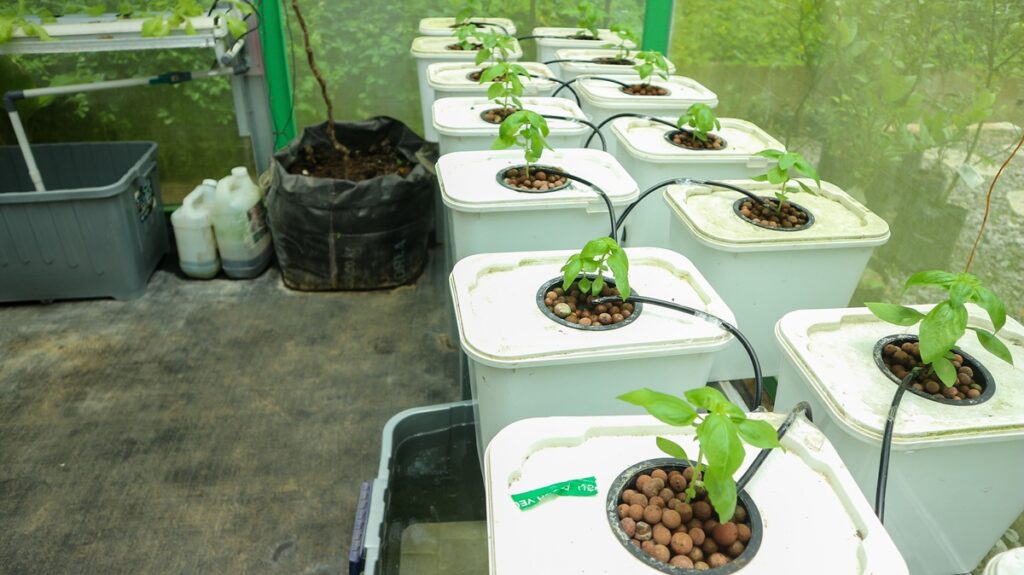
Table of Contents
- Benefits of Hydroponic Growing for Faster and Higher-Yielding Crops
- Understanding Hydroponic Growing
- Faster Growth Cycles
- Higher Crop Yields
- Resource Efficiency and Sustainability
- Year-Round Production
- Reduced Pest and Disease Pressure
- Examples of Successful Hydroponic Farms
- Conclusion
- Other Questions People Ask
- What are the main advantages of hydroponic growing compared to traditional soil gardening?
- What are the common types of hydroponic systems used by growers?
- What nutrients are essential for plants in a hydroponic system?
Benefits of Hydroponic Growing for Faster and Higher-Yielding Crops
Hydroponic growing transforms the way we cultivate plants by eliminating soil and delivering nutrients directly through water solutions, creating an environment where crops can thrive more rapidly and abundantly. With precise control over nutrient levels and environmental factors, farmers can optimize growth conditions that are often impossible to achieve in traditional soil farming. This method not only accelerates plant development but also significantly boosts yields, making it an attractive option for urban farms and research facilities alike. By reducing land requirements and minimizing soil-borne pests, hydroponics offers a cleaner, more efficient approach to feeding a growing global population.
Hydroponic farming has revolutionized the way we grow crops by offering a soil-less, highly controlled environment that maximizes plant growth and productivity. Unlike traditional soil-based agriculture, hydroponics allows farmers and home gardeners to cultivate a wide variety of plants—ranging from leafy greens to fruiting vegetables—using nutrient-rich water solutions. This method not only accelerates plant growth but also significantly increases crop yields, making it an attractive option for urban farmers, commercial growers, and sustainability advocates alike.
Understanding Hydroponic Growing
Hydroponics involves growing plants in a nutrient-dense water solution, often supplemented with inert mediums like coconut coir, perlite, or clay pellets to support root stability. This system eliminates the need for soil, which can harbor pests, diseases, and weeds, thereby reducing the need for chemical interventions and manual labor. The controlled environment allows for precise regulation of essential factors such as pH, temperature, and nutrient concentration, leading to optimal plant health and growth rates.
Faster Growth Cycles
One of the most compelling advantages of hydroponic systems is the ability to significantly reduce the time it takes for crops to reach maturity. For example, leafy greens like lettuce and spinach typically take about 45-60 days to harvest in traditional soil farming. In hydroponic setups, these same crops can be harvested in as little as 30-40 days due to the constant availability of nutrients and optimal oxygenation of roots. This accelerated growth cycle allows farmers to produce multiple harvests annually, increasing overall productivity and profitability.
Similarly, fruiting crops such as tomatoes and peppers often require 70-90 days in soil but can be ready for harvest in approximately 60-75 days in hydroponic systems. This reduction in growth time is achieved through controlled environmental conditions, including consistent light exposure, temperature regulation, and nutrient delivery, which collectively promote rapid cell division and plant development.
Higher Crop Yields
Hydroponic systems are renowned for their ability to produce higher yields per square foot compared to traditional farming. Because plants grow in a nutrient-rich environment with optimal oxygenation, they develop more robust root systems and larger, healthier foliage. This results in increased photosynthesis and, consequently, greater fruit or vegetable production.
For instance, commercial hydroponic farms cultivating strawberries have reported yields of up to 2-3 times higher per plant than soil-based farms. Similarly, lettuce grown hydroponically can produce up to 10-12 harvests per year, compared to just 4-6 in conventional fields. This efficiency is especially valuable in urban settings where space is limited but demand for fresh produce is high.
Moreover, the precise control over nutrient delivery minimizes waste and ensures that plants receive exactly what they need for optimal growth, further boosting yields and quality.
Resource Efficiency and Sustainability
Hydroponic farming is inherently more resource-efficient than traditional agriculture. Since water is recirculated within closed systems, water usage can be reduced by up to 90%, making it ideal for arid regions or areas facing water scarcity. This recycling process not only conserves water but also reduces runoff and pollution, which are common environmental concerns in conventional farming.
In addition, hydroponic systems often require less land area to produce the same amount of crops, enabling urban and vertical farms to thrive in densely populated areas. This proximity to consumers reduces transportation emissions and supports local food systems.
Furthermore, because hydroponic systems can be operated indoors or in controlled environments, they are less vulnerable to weather extremes, pests, and diseases. This resilience decreases the need for chemical pesticides and fertilizers, promoting healthier produce and a lower environmental footprint.
Year-Round Production
Unlike traditional farming, which is often limited by seasonal changes, hydroponic systems can operate year-round. Indoor hydroponic farms equipped with LED lighting, climate control, and automated nutrient delivery can produce fresh vegetables and herbs regardless of external weather conditions. This continuous production cycle ensures a steady supply of fresh produce, reducing seasonal shortages and stabilizing prices.
For example, urban hydroponic farms in cities like New York and Tokyo are able to supply fresh greens and herbs throughout the year, even during harsh winter months when outdoor farming is not feasible. This not only benefits consumers but also provides farmers with consistent income streams.
Reduced Pest and Disease Pressure
Growing plants in a soil-less environment minimizes exposure to soil-borne pests and diseases, which are common challenges in traditional agriculture. This reduction in pest pressure means farmers can rely less on chemical pesticides, leading to healthier, cleaner produce. Additionally, the controlled environment allows for better monitoring and management of potential threats, enabling early intervention and reducing crop losses.
For example, hydroponic strawberries are less susceptible to soil-borne fungi like Fusarium or Verticillium, which can devastate soil-grown crops. Similarly, leafy greens grown hydroponically often experience fewer issues with pests such as aphids and whiteflies, further reducing the need for chemical controls.
Examples of Successful Hydroponic Farms
- <strong AeroFarms in Newark, New Jersey: This leading vertical farm uses aeroponics—a form of hydroponics—growing leafy greens with minimal water and land. Their innovative approach has resulted in yields that are 390 times more productive per square foot than traditional farms.
- Freight Farms in Boston: They develop modular, container-based hydroponic farms that can be deployed in urban environments worldwide. These farms enable local production of herbs, lettuce, and microgreens, reducing transportation emissions and providing fresh produce year-round.
- Mirai in Japan: As one of the largest indoor vertical farms, Mirai produces thousands of heads of lettuce daily using advanced hydroponic systems, demonstrating the scalability and commercial viability of this method.
Conclusion
Hydroponic growing offers numerous benefits that make it an attractive alternative to traditional farming, especially in the context of global food security and environmental sustainability. Its ability to produce crops faster, in higher quantities, and with greater resource efficiency can help meet the increasing demand for fresh produce in urban areas and regions facing water shortages or limited arable land.
By adopting hydroponic techniques, farmers and gardeners can enjoy shorter growing cycles, higher yields, and healthier crops, all while reducing their environmental impact. As technology advances and costs decrease, hydroponic systems are poised to become a cornerstone of sustainable agriculture worldwide.
Other Questions People Ask
How does hydroponic growing contribute to faster crop development compared to traditional farming?
Hydroponic growing accelerates crop development by providing plants with a consistent supply of nutrients directly to their roots, optimizing growth conditions. The controlled environment allows for precise regulation of temperature, light, and nutrient levels, which promotes quicker cell division and plant maturation. As a result, crops like leafy greens and fruiting vegetables can be harvested in significantly less time than in soil-based systems.
In what ways does hydroponic farming increase crop yields per square foot?
Hydroponic farming boosts yields by creating an ideal environment for plant growth, leading to larger, healthier plants with more abundant produce. The nutrient-rich water solutions and oxygenated roots support robust development, enabling multiple harvests annually. This high efficiency makes hydroponics especially valuable in limited spaces such as urban farms or vertical gardens.
What is Benefits of Hydroponic Growing for Faster and Higher-Yielding Crops and why is it important?
Understanding what Benefits of Hydroponic Growing for Faster and Higher-Yielding Crops entails provides a solid foundation for further learning. It encompasses both the key concepts and the role it plays in its broader context. Knowing why it matters helps you prioritize it appropriately and recognize the benefits it can offer. This perspective also guides your decisions about when and how to apply Benefits of Hydroponic Growing for Faster and Higher-Yielding Crops.