Instant Answer: Hydroponic gardening grows plants in nutrient-rich water solutions instead of soil. The roots are suspended in or supported by a medium that allows easy access to oxygen and nutrients. This method uses controlled environments to optimize growth, often resulting in faster plant development and higher yields. It requires careful monitoring of pH, nutrient levels, and water quality to ensure healthy plant growth.
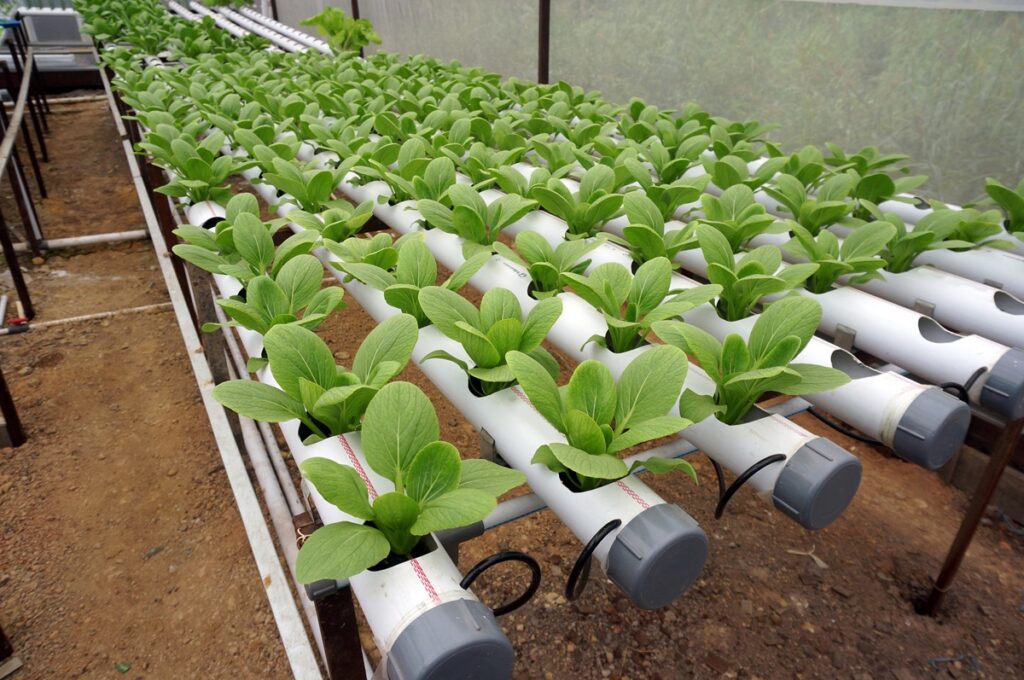
Table of Contents
- How Hydroponic Gardening Enhances Plant Growth and Yields
- Understanding Hydroponic Gardening
- The Science Behind Enhanced Growth
- Key Benefits of Hydroponic Gardening
- Popular Hydroponic Systems and Their Impact on Growth
- Optimizing Conditions for Maximum Growth
- Case Studies and Real-World Examples
- Challenges and Solutions in Hydroponic Gardening
- Future Trends in Hydroponic Gardening
- Conclusion
- Other Questions People Ask
- What are the main benefits of hydroponic gardening?
- What are the common types of hydroponic systems?
- What are the challenges of maintaining a hydroponic garden?
How Hydroponic Gardening Enhances Plant Growth and Yields
Hydroponic gardening transforms the way we cultivate plants by immersing their roots in nutrient-dense water solutions, bypassing traditional soil barriers. This method allows for precise control over the environment, ensuring plants receive optimal amounts of oxygen, nutrients, and water at every stage of growth. As a result, plants often grow faster and produce higher yields compared to conventional soil-based methods. The meticulous balance of pH and nutrient levels becomes a vital part of nurturing healthy, vigorous plants in this soil-less system.
Understanding Hydroponic Gardening
Hydroponic gardening is a method of growing plants without soil, using nutrient-rich water solutions to deliver essential minerals directly to plant roots. This innovative approach allows gardeners to cultivate a wide variety of crops in controlled environments, making it especially popular among urban farmers, hobbyists, and commercial growers seeking higher yields and faster growth cycles.
Unlike traditional soil-based gardening, hydroponics offers precise control over nutrient levels, pH balance, and environmental conditions, which significantly influences plant health and productivity. For example, lettuce grown hydroponically can reach harvest maturity in as little as 30 days, compared to 45-60 days in soil, demonstrating the efficiency of this method.
The Science Behind Enhanced Growth
Hydroponic systems optimize plant growth by providing a consistent supply of oxygen, nutrients, and water directly to the roots. This direct delivery minimizes nutrient wastage and reduces the risk of soil-borne diseases, leading to healthier plants and higher yields.
Research indicates that plants grown hydroponically often exhibit faster growth rates due to the availability of nutrients in their most absorbable forms. For instance, a study published by the University of Arizona found that tomatoes grown hydroponically can produce up to 25% more fruit per plant compared to traditional soil cultivation.
Furthermore, the controlled environment allows for the manipulation of factors such as light, temperature, and humidity, which can be tailored to optimize specific crop requirements. This precision results in stronger, more resilient plants capable of producing higher-quality produce.
Key Benefits of Hydroponic Gardening
- Faster Growth Cycles: Plants mature more quickly due to optimal nutrient delivery and environmental control. For example, herbs like basil and mint can be harvested multiple times within a single growing season.
- Higher Yields: Increased plant density and efficient resource use lead to greater harvests. Commercial hydroponic farms can produce several times the amount of produce per square foot compared to traditional farms.
- Water Efficiency: Hydroponic systems typically use 70-90% less water than conventional soil gardening because water is recirculated and reused within the system.
- Space Optimization: Vertical hydroponic setups enable growers to maximize limited space, making it ideal for urban environments or areas with poor soil quality.
- Reduced Pest and Disease Risks: The sterile, soil-free environment minimizes exposure to soil-borne pests and diseases, reducing the need for chemical interventions.
Popular Hydroponic Systems and Their Impact on Growth
Deep Water Culture (DWC)
This system suspends plant roots directly in a nutrient-rich oxygenated water solution. Its simplicity and efficiency make it ideal for leafy greens like lettuce and spinach. The constant oxygenation promotes rapid root development, leading to quick growth and high yields.
Nutrient Film Technique (NFT)
In NFT systems, a thin film of nutrient solution continuously flows over the roots of plants grown in sloped channels. This setup ensures a steady supply of nutrients and oxygen, resulting in vigorous growth. It is particularly popular for small herbs and strawberries.
Drip Systems
Drip hydroponics deliver nutrients directly to the base of each plant via a network of tubes and emitters. This method allows precise control over individual plant nutrition, making it suitable for larger crops like tomatoes and peppers. Proper management of drip rates can significantly influence plant health and yield.
Aeroponics
This advanced system suspends plant roots in the air and mist them with nutrient solutions. Aeroponics provides maximum oxygen exposure, which accelerates growth and enhances nutrient uptake. It is often used in research and high-tech commercial farms for high-value crops.
Optimizing Conditions for Maximum Growth
To achieve the best results in hydroponic gardening, it is essential to monitor and adjust environmental parameters regularly. Here are some critical factors:
- Nutrient Solution Composition: Use high-quality, balanced fertilizers tailored to the specific crop. For example, tomato plants require higher potassium levels during fruiting stages.
- pH Levels: Maintain a pH between 5.5 and 6.5 for most vegetables, ensuring optimal nutrient availability. Regular testing with pH meters helps prevent deficiencies.
- Temperature: Keep ambient temperatures between 65°F and 75°F (18°C – 24°C) for most crops. Cooler temperatures can slow growth, while excessive heat may cause stress.
- Lighting: Provide sufficient light, either through natural sunlight or grow lights. For instance, LED grow lights with full-spectrum capabilities can promote healthy photosynthesis and robust growth.
- Oxygenation: Ensure roots receive adequate oxygen through aeration devices or oxygen-rich water. Proper oxygen levels prevent root rot and promote healthy development.
Case Studies and Real-World Examples
Many commercial farms have adopted hydroponic systems to boost productivity and sustainability. For example, AeroFarms, a leader in vertical farming, uses aeroponics to grow leafy greens in urban warehouses. Their system achieves up to 390 times more productivity per square foot than traditional farms, with significantly reduced water and land use.
Similarly, the California-based company BrightFarms operates large-scale hydroponic greenhouses that supply supermarkets with fresh, locally grown produce year-round. Their hydroponic tomatoes and lettuce are harvested within days of maturity, ensuring peak freshness and flavor.
Home gardeners have also experienced remarkable results. A community in Brooklyn, New York, set up a small hydroponic system in a converted warehouse, growing herbs, strawberries, and lettuce. They reported a 50% increase in yield compared to traditional container gardening, along with faster harvest times.
Challenges and Solutions in Hydroponic Gardening
While hydroponics offers numerous advantages, it also presents specific challenges:
- Initial Setup Costs: The investment in equipment such as pumps, grow trays, and lighting can be substantial. However, these costs are often offset by higher yields and faster crop cycles.
- Technical Knowledge: Successful hydroponic gardening requires understanding nutrient management, system maintenance, and environmental controls. Many resources and online courses are available to help beginners learn these skills.
- System Failures: Power outages or equipment malfunctions can quickly harm plants. Incorporating backup systems and regular maintenance routines can mitigate these risks.
- Monitoring and Adjustments: Maintaining optimal conditions demands consistent monitoring. Automated sensors and control systems can simplify this process, providing real-time data and alerts.
Future Trends in Hydroponic Gardening
The future of hydroponic gardening is promising, with innovations aimed at increasing efficiency and accessibility. Developments such as AI-powered environmental controls, biodegradable nutrient delivery systems, and integration with renewable energy sources are on the horizon.
Urban vertical farms are expected to expand, utilizing compact, scalable hydroponic systems to produce fresh food in city centers, reducing transportation emissions and ensuring food security. Additionally, research into crop-specific nutrient formulations and disease-resistant plant varieties will further enhance productivity and sustainability.
Educational programs and government initiatives are also promoting hydroponic gardening as a sustainable solution to food production challenges, especially in areas with limited arable land or water resources.
Conclusion
Hydroponic gardening represents a transformative approach to agriculture, offering faster growth, higher yields, and resource efficiency. By understanding the underlying science, selecting appropriate systems, and optimizing environmental conditions, growers can significantly enhance plant health and productivity. Whether for personal use or commercial enterprise, hydroponics holds the potential to revolutionize how we grow our food, making agriculture more sustainable and resilient for the future.
Other Questions People Ask
How does hydroponic gardening improve plant growth compared to traditional soil methods?
Hydroponic gardening enhances plant growth by delivering nutrients directly to the roots in a controlled water solution, which promotes faster development and higher yields. This method minimizes nutrient wastage and reduces the risk of soil-borne diseases, creating a healthier environment for plants. Additionally, the ability to precisely control environmental factors like pH, light, and temperature further accelerates growth rates. As a result, plants grown hydroponically often reach maturity more quickly than those in soil.
What are the key factors to optimize in hydroponic gardening for maximum plant yields?
To maximize yields in hydroponic gardening, it is essential to regularly monitor and adjust the nutrient solution’s composition, pH levels, and oxygenation. Using high-quality fertilizers tailored to specific crops ensures optimal nutrient uptake. Maintaining proper environmental conditions such as temperature, humidity, and light also plays a crucial role in promoting vigorous plant growth. Consistent management of these factors leads to healthier plants and higher productivity.
How do different hydroponic systems impact plant growth and yields?
Different hydroponic systems like Deep Water Culture (DWC), Nutrient Film Technique (NFT), and aeroponics influence plant growth by providing varying levels of oxygen and nutrient delivery. For example, aeroponics suspends roots in the air and mist them with nutrients, resulting in rapid growth and high yields. DWC systems are simple and effective for leafy greens, while drip systems allow precise control for larger crops. Choosing the right system depends on the crop type and desired yield outcomes.