Instant Answer: Ensure your nutrient solution is balanced and regularly monitored to provide essential minerals. Maintain consistent pH levels, typically between 5.5 and 6.5, for optimal nutrient uptake. Keep the system clean and free of algae or pests, and ensure proper airflow and lighting for healthy plant growth. Regularly check water levels and replace solutions to prevent nutrient deficiencies or imbalances.
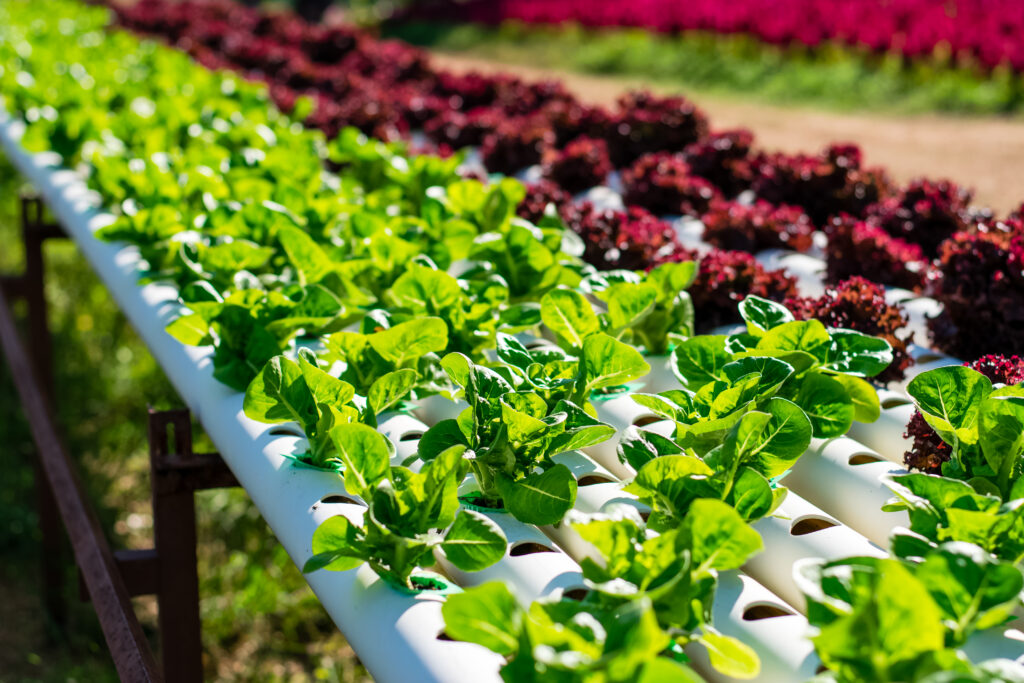
Table of Contents
- Turn Hydroponics into Daily Wins
- Understanding the Basics of Hydroponics
- Setting Up Your Hydroponic System for Success
- Choosing the Right Plants for Daily Harvests
- Maintaining Optimal Nutrient and pH Levels
- Implementing Daily Maintenance Routines
- Leveraging Technology for Better Results
- Maximizing Space and Resources
- Harvesting and Using Your Fresh Produce Daily
- Overcoming Challenges and Staying Motivated
- Other Questions People Ask
- What are the common types of hydroponic systems?
- What are the key nutrients required for hydroponic plants?
- What is Hydroponics and why is it important?
Turn Hydroponics into Daily Wins
Turning hydroponics into daily wins begins with a keen eye on the nutrient solution, ensuring it remains balanced and rich in essential minerals. Regularly checking and adjusting the pH between 5.5 and 6.5 helps plants absorb nutrients efficiently, preventing deficiencies that can stunt growth. Keeping the system spotless and free from algae or pests creates a healthy environment, while proper airflow and lighting foster vigorous, resilient plants. Consistent water level monitoring and timely solution replacements are the final touches that keep your hydroponic garden thriving day after day.
Understanding the Basics of Hydroponics
Hydroponics is a method of growing plants without soil, using nutrient-rich water solutions to deliver essential minerals directly to the roots. This soilless approach allows for faster plant growth, higher yields, and less pest and disease issues compared to traditional soil gardening. Common hydroponic systems include nutrient film technique (NFT), deep water culture (DWC), drip systems, and aeroponics. Each system has its unique advantages and setup requirements, but all share the core principle of providing optimal conditions for plant roots to thrive.
For example, a simple deep water culture system involves suspending plant roots in a nutrient-rich, oxygenated water reservoir, making it ideal for leafy greens like lettuce and spinach. Conversely, NFT systems use a thin film of nutrient solution flowing over the roots, suitable for herbs such as basil and cilantro. Understanding these differences helps you choose the right system for your space, budget, and plant preferences.
Setting Up Your Hydroponic System for Success
Starting with a well-designed setup is crucial for turning hydroponics into a daily wins. Begin by selecting a suitable location—indoor spaces like basements, garages, or dedicated grow rooms are ideal because they offer control over light, temperature, and humidity. Ensure your space has access to electricity and proper ventilation.
Next, choose a system that matches your goals and available space. For beginners, a simple container-based DWC or a small NFT setup can be both affordable and manageable. Gather essential components such as a reservoir, grow trays or containers, a water pump, air stones or diffusers for oxygenation, and a reliable nutrient solution formulated specifically for hydroponic plants.
For example, if you want to grow herbs like basil and mint, a compact DWC system with a 5-gallon bucket, an air pump, and pre-mixed hydroponic nutrients can be set up within an hour. Make sure to use food-grade containers and maintain cleanliness to prevent algae and pathogen growth.
Choosing the Right Plants for Daily Harvests
Not all plants are equally suited for hydroponic cultivation, especially if you aim for consistent daily or weekly harvests. Leafy greens such as lettuce, kale, and Swiss chard grow quickly and can be harvested multiple times, making them excellent choices for regular yields. Herbs like basil, parsley, cilantro, and chives also thrive in hydroponic systems and can be harvested continuously with proper pruning.
Tomatoes, peppers, and strawberries can also be grown hydroponically, but they require more space, light, and attention. For example, cherry tomatoes can produce daily small harvests, providing fresh snacks and salads. When selecting plants, consider your climate, available space, and the time you can dedicate to maintenance. Starting with fast-growing, low-maintenance crops ensures you see quick results and stay motivated.
Maintaining Optimal Nutrient and pH Levels
One of the keys to turning hydroponics into daily wins is maintaining the right balance of nutrients and pH in your water solution. Plants absorb nutrients like nitrogen, phosphorus, potassium, calcium, magnesium, and trace minerals from the solution. Regular testing and adjustments are essential for healthy growth.
Use a reliable pH meter or test strips to monitor the pH level, which should typically be between 5.5 and 6.5 for most plants. If the pH drifts outside this range, adjust it using pH up or pH down solutions available at garden centers. For nutrients, follow the manufacturer’s instructions to add the correct amount of hydroponic fertilizer, and consider using a complete nutrient mix designed for your plant types.
For instance, if your lettuce shows signs of nutrient deficiency—such as yellowing leaves or stunted growth—check the nutrient concentration and pH. Regularly changing the water every one to two weeks prevents salt buildup and ensures a steady supply of fresh nutrients, leading to healthier plants and more consistent harvests.
Implementing Daily Maintenance Routines
Turning hydroponics into daily wins requires establishing simple, consistent routines. Each day, spend a few minutes checking water levels, ensuring pumps and aerators are functioning properly, and inspecting plants for pests or diseases. Maintaining a clean system reduces the risk of infections and promotes vigorous growth.
For example, top off reservoirs with water as needed to compensate for evaporation, and add nutrients if the concentration drops. Remove any dead or yellowing leaves to prevent disease spread. Keep an eye out for pests like aphids or spider mites, which can be managed with natural predators or organic insecticidal soaps. Regularly pruning your plants encourages healthy growth and better airflow, which is vital for preventing mold and fungal issues.
Document your observations in a gardening journal or digital app. Tracking growth patterns, nutrient adjustments, and harvest dates helps you refine your process over time, leading to more consistent daily wins.
Leveraging Technology for Better Results
Modern hydroponic growers benefit from a variety of technological tools that simplify maintenance and improve yields. Automated timers control lighting, watering, and nutrient dosing, reducing manual effort and ensuring precise conditions. Smart sensors monitor pH, temperature, and humidity, sending alerts to your phone if adjustments are needed.
For example, a beginner might start with a simple timer for LED grow lights, ensuring plants receive 14-16 hours of light daily. More advanced setups incorporate pH and EC (electrical conductivity) meters connected to controllers that automatically adjust nutrient levels. These innovations allow you to focus on daily observation and harvesting, turning hydroponics into a seamless part of your routine.
Maximizing Space and Resources
Hydroponic systems are highly space-efficient, making them ideal for urban dwellers or those with limited outdoor areas. Vertical farming techniques, such as stacking grow trays or using wall-mounted systems, maximize productivity in small footprints. For example, a vertical hydroponic garden can produce a variety of herbs and greens in a 4-foot by 2-foot area, providing fresh ingredients for daily meals.
Additionally, reusing and recycling materials—like repurposing plastic containers or building DIY systems—reduces costs and environmental impact. Collect rainwater or use filtered tap water to minimize resource consumption. Implementing energy-efficient LED grow lights and timers further reduces electricity use, making your hydroponic garden both sustainable and cost-effective.
Harvesting and Using Your Fresh Produce Daily
The ultimate goal of turning hydroponics into daily wins is enjoying fresh, nutritious produce every day. Harvest leafy greens by cutting outer leaves or entire plants, depending on growth stage, to encourage continuous growth. Herbs can be snipped as needed for cooking, garnishing, or making herbal teas.
For example, a small hydroponic herb garden can supply fresh basil for your morning pesto or cilantro for tacos. Leafy greens like lettuce and spinach can be harvested in the morning for salads or sandwiches, providing a satisfying sense of accomplishment and health benefits. Incorporate your homegrown produce into daily meals to maximize flavor and nutrition, reducing reliance on store-bought vegetables that may have traveled long distances and lost freshness.
Preserve excess harvests by drying herbs or freezing greens for later use, ensuring your efforts continue to pay off even when plants are not in season or during busy weeks.
Overcoming Challenges and Staying Motivated
While hydroponics offers many benefits, challenges such as nutrient imbalances, pests, or equipment failures can arise. Staying proactive and informed helps you troubleshoot effectively. Join online forums, local gardening groups, or consult reputable sources like government agricultural extension services for advice and support.
Set realistic goals, such as harvesting a handful of herbs daily or growing a specific number of lettuce heads each week. Celebrate small successes—like a lush, vibrant plant or a bountiful harvest—to stay motivated. Remember, consistency is key; even on busy days, a quick check-in can prevent problems and keep your garden thriving.
By embracing a mindset of continuous learning and adaptation, you can turn hydroponics from a challenging experiment into a reliable, rewarding daily routine that enriches your life and promotes sustainable living.
Other Questions People Ask
How can I turn hydroponics into daily wins by maintaining proper nutrient levels?
To turn hydroponics into daily wins, regularly monitor and adjust your nutrient solution to ensure it remains balanced and rich in essential minerals. Use a reliable test kit to check nutrient concentration and pH levels, making adjustments as needed. Consistently replacing the solution every one to two weeks prevents deficiencies and promotes healthy, vigorous plant growth.
What are some practical steps to make hydroponic gardening a daily success?
Implement simple daily routines such as checking water levels, inspecting plants for pests or disease, and ensuring pumps and aerators are functioning properly. Maintaining cleanliness and monitoring environmental conditions like light and airflow also contribute to consistent growth. These small, daily actions help keep your system healthy and productive.
How does choosing the right plants help turn hydroponics into daily wins?
Selecting fast-growing, low-maintenance plants like leafy greens and herbs allows for quick, regular harvests, making it easier to see daily results. These plants thrive in hydroponic systems and require less space and attention, helping you stay motivated and consistent. Starting with suitable crops ensures steady yields and a more successful hydroponic experience.