Instant Answer: To get started with hydroponics gardening, choose a simple system like nutrient film technique or deep water culture and gather necessary supplies such as a container, water pump, grow lights, and nutrient solutions. Select easy-to-grow plants like lettuce or herbs to learn the basics and ensure proper lighting, temperature, and pH levels for optimal growth. Regularly monitor water levels and nutrient concentration, and maintain cleanliness to prevent disease. As you gain experience, you can experiment with different setups and crops to optimize your hydroponic garden.
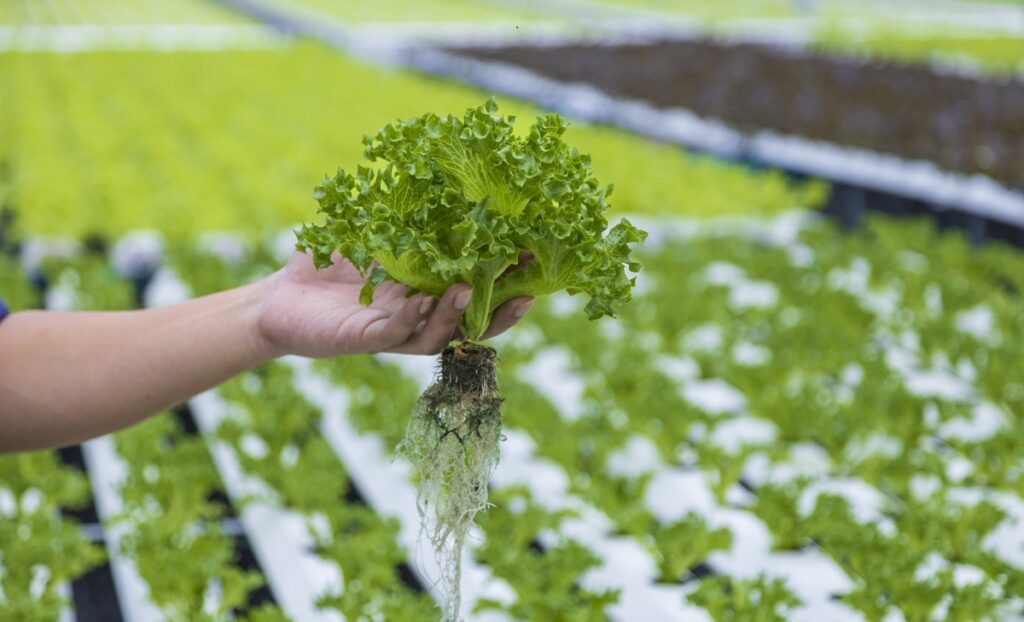
Table of Contents
- Getting Started with Hydroponics Gardening for Beginners
- What Is Hydroponics?
- Benefits of Hydroponic Gardening
- Essential Equipment and Materials
- Choosing the Right Hydroponic System
- Step-by-Step Guide to Setting Up Your Hydroponic Garden
- Common Challenges and How to Overcome Them
- Expanding Your Hydroponic Garden
- Resources for Further Learning
- Other Questions People Ask
- What are the common types of hydroponic systems?
- What nutrients are essential for hydroponic plants?
- What is hydroponics gardening and why is it important?
Getting Started with Hydroponics Gardening for Beginners
Starting a hydroponics garden can feel like stepping into a lush, futuristic world where plants thrive in nutrient-rich water rather than soil. With a few basic supplies—such as a simple container, a water pump, and grow lights—you can create a thriving environment for leafy greens or herbs right on your windowsill or balcony. Watching your plants grow quickly and healthily, guided by careful attention to water quality and light, offers a satisfying glimpse into the science of soil-less cultivation. As you gain confidence, experimenting with different setups and crops can turn your small-scale project into a lush, sustainable oasis.
What Is Hydroponics?
Hydroponics is a method of growing plants in a soilless environment, where roots are suspended in or supported by a nutrient solution. This technique mimics the natural process of plants absorbing nutrients from water, but it offers greater control over the growing conditions. Unlike traditional soil gardening, hydroponics eliminates issues related to soil-borne pests and diseases, reduces water usage, and allows for year-round cultivation regardless of outdoor weather conditions.
Popular crops grown hydroponically include lettuce, spinach, herbs like basil and mint, tomatoes, peppers, and strawberries. These plants thrive in controlled environments, making hydroponics an attractive option for urban gardeners and commercial growers alike.
Benefits of Hydroponic Gardening
- Faster Growth Rates: Plants grown hydroponically often reach maturity 25-50% faster than traditional soil-grown counterparts due to optimal nutrient delivery.
- Higher Yields: Precise control over nutrients and environmental conditions can lead to increased crop productivity.
- Space Efficiency: Hydroponic systems can be stacked vertically or arranged in compact setups, ideal for small spaces or urban environments.
- Water Conservation: Hydroponics uses up to 90% less water than traditional soil gardening because water is recirculated and reused.
- Reduced Pest and Disease Risks: Growing in a soil-free environment minimizes common issues like soil-borne pests and fungal diseases.
- Year-Round Cultivation: Indoor hydroponic systems allow for continuous crop production regardless of seasonal changes.
Essential Equipment and Materials
Starting a hydroponic garden requires some initial investment in equipment and materials. Here are the key components you’ll need:
- Growing Container or Reservoir: A tank or tray that holds the nutrient solution and supports plant roots. Common options include plastic totes, buckets, or specialized hydroponic trays.
- Growing Medium: Substrate to support plant roots, such as coconut coir, perlite, clay pellets (hydroton), or rockwool. These mediums provide stability and facilitate nutrient absorption.
- Nutrient Solution: A carefully balanced mix of macro- and micronutrients essential for plant growth. Commercially available hydroponic nutrients are formulated specifically for this purpose.
- Water and pH Testing Kits: Tools to monitor and adjust the pH level of your nutrient solution, ideally between 5.5 and 6.5 for most crops.
- Lighting: If growing indoors, grow lights such as LED or fluorescent fixtures are necessary to provide adequate light for photosynthesis.
- Air Pump and Air Stones: To oxygenate the nutrient solution, promoting healthy root development.
- Support Structures: Trellises, net pots, or stakes to support plant growth, especially for taller crops like tomatoes or peppers.
Choosing the Right Hydroponic System
There are several types of hydroponic systems suitable for beginners, each with its advantages and considerations:
Deep Water Culture (DWC)
This system involves suspending plant roots in a nutrient-rich oxygenated water reservoir. It is simple to set up and ideal for leafy greens and herbs. An air pump supplies oxygen through air stones, preventing root rot and encouraging vigorous growth.
Nutrient Film Technique (NFT)
In NFT systems, a thin film of nutrient solution continuously flows over the roots of plants supported in a sloped channel. This method is efficient and suitable for small, fast-growing crops like lettuce. However, it requires careful monitoring to prevent blockages or pump failures.
Wick System
The wick system uses capillary action to draw nutrients from a reservoir to the plant roots via wicks made of cotton or other absorbent materials. It is low-cost and low-maintenance, making it perfect for beginners, but it may not support larger or more demanding plants.
Flood and Drain (Ebb and Flow)
This system periodically floods the plant roots with nutrient solution and then drains it back into the reservoir. It provides oxygenation and is versatile for various plant types. Timers control the flooding cycle, simplifying operation.
Step-by-Step Guide to Setting Up Your Hydroponic Garden
1. Select Your Space and System
Decide whether you want an indoor or outdoor setup. Indoor systems require grow lights and climate control, while outdoor systems benefit from natural sunlight. Choose a hydroponic system type based on your space, budget, and crop preferences.
2. Gather Materials and Assemble Equipment
Purchase or repurpose containers, grow mediums, and nutrients. Follow manufacturer instructions or online tutorials to assemble your chosen system. For example, if setting up a DWC system, drill holes in a lid to hold net pots and connect air stones to the air pump.
3. Prepare the Nutrient Solution
Mix the hydroponic nutrients with water according to the package instructions. Use a pH testing kit to ensure the solution is within the optimal range (5.5-6.5). Adjust pH with pH up or down solutions as needed.
4. Plant Your Crops
Start with seedlings or cuttings for faster establishment. Place them in the growing medium within net pots, then position them in your system. Ensure roots are submerged in the nutrient solution or supported by the system design.
5. Provide Adequate Lighting and Environment
If indoors, set up grow lights to provide 14-16 hours of light daily. Maintain temperature between 65-75°F (18-24°C) and humidity around 50-70%. Outdoors, ensure plants are protected from pests and extreme weather.
6. Monitor and Maintain Your System
Regularly check water levels, nutrient concentration, and pH. Top up the reservoir as needed and replace the nutrient solution every 2-3 weeks to prevent nutrient imbalances. Observe plant health and address issues like pests or nutrient deficiencies promptly.
Common Challenges and How to Overcome Them
- Algae Growth: Cover reservoirs to block light and prevent algae proliferation. Use opaque containers or black plastic covers.
- Root Rot: Ensure proper oxygenation of the nutrient solution. Avoid overwatering and maintain appropriate pH levels.
- Nutrient Imbalances: Regularly test and adjust nutrient concentrations. Use high-quality, balanced fertilizers formulated for hydroponics.
- Pest Infestations: Keep the growing area clean, inspect plants regularly, and use organic pest control methods when necessary.
Expanding Your Hydroponic Garden
Once comfortable with the basics, you can experiment with more advanced techniques such as vertical farming, aquaponics (integrating fish), or automated systems with timers and sensors. Joining local gardening clubs or online forums can provide valuable tips and community support.
Additionally, consider growing a variety of crops to diversify your harvest. Herbs like cilantro, chives, and parsley are easy to grow hydroponically and can enhance your culinary creations. Fruits such as strawberries or cherry tomatoes can be grown indoors for fresh, homegrown produce year-round.
Resources for Further Learning
To deepen your understanding, consult reputable sources such as university extension programs, government agricultural departments, or dedicated hydroponics organizations. Many offer free guides, webinars, and troubleshooting tips to help you optimize your system and increase your success rate.
Remember, patience and observation are key. Start small, learn from your experiences, and gradually expand your hydroponic garden as you gain confidence and expertise. With dedication, you can enjoy fresh, healthy produce all year long, right from your own home or farm.
Other Questions People Ask
What are the first steps to getting started with hydroponics gardening for beginners?
Begin by selecting a simple hydroponic system like nutrient film technique or deep water culture that suits your space and experience level. Gather essential supplies such as a container, water pump, grow lights, and nutrient solutions. Start with easy-to-grow plants like lettuce or herbs to learn the basics of maintaining proper lighting, temperature, and pH levels for healthy growth.
How can I effectively start my hydroponics gardening journey as a beginner?
Focus on setting up a basic system with readily available materials, ensuring you have a clean reservoir and appropriate growing medium. Monitor water quality regularly, adjusting pH and nutrient concentration as needed. Choose fast-growing, low-maintenance plants to gain confidence and understand the fundamentals of hydroponic cultivation.
What essential equipment do I need to get started with hydroponics gardening for beginners?
You will need a growing container or reservoir, a water pump, grow lights if indoors, and a nutrient solution tailored for hydroponics. Additionally, use pH testing kits to keep the water within the optimal range and consider oxygenating the water with an air pump and stones. Support structures like net pots or stakes will help support your plants as they grow.