Instant Answer: For hydroponic gardening, you’ll need a growing system such as a nutrient film technique or deep water culture setup, along with a reliable water pump and air pump to circulate nutrients and oxygen. Essential supplies include nutrient solutions tailored for hydroponics, pH testing kits to monitor acidity levels, and grow lights if natural sunlight is insufficient. Additionally, you’ll require containers or trays for plant roots, support structures like net pots or baskets, and basic tools such as scissors and pH adjusters to maintain optimal growing conditions.
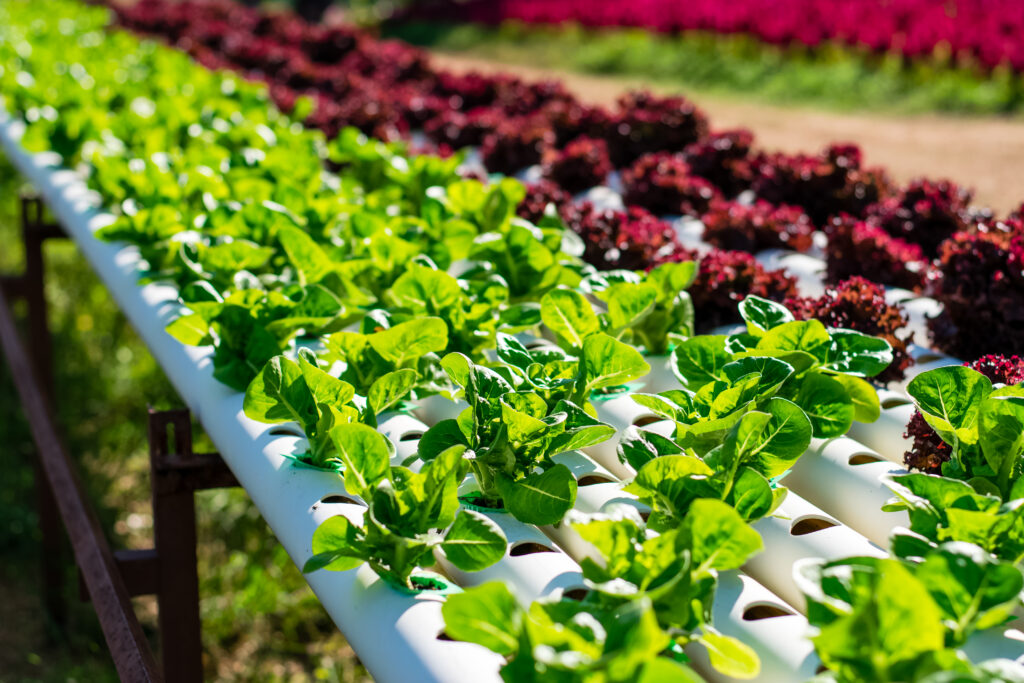
Table of Contents
- Essential Tools and Supplies for Gardening Hydroponically
- Basic Hydroponic System Components
- Essential Tools for Setup and Maintenance
- Supplies for Nutrient Management
- Additional Equipment for Indoor Hydroponics
- Tools for Monitoring and Troubleshooting
- Optional but Beneficial Accessories
- Conclusion
- Other Questions People Ask
- What are common challenges faced when starting a hydroponic garden?
- How do I choose the right hydroponic system for my gardening needs?
- What common mistakes should you avoid with Gardening hydroponically?
Essential Tools and Supplies for Gardening Hydroponically
Embarking on a hydroponic gardening journey requires more than just a green thumb; it demands a carefully curated set of tools and supplies that create a thriving, soil-free environment for plants to flourish. From the precision of pH testing kits to the steady hum of water and air pumps, each component plays a vital role in maintaining the delicate balance of nutrients and oxygen that plants crave. Support structures like net pots cradle delicate roots, while grow lights extend the growing season beyond natural sunlight. With the right equipment, even novice gardeners can cultivate lush, vibrant greenery indoors or in limited outdoor spaces, transforming the art of gardening into a precise science.
Basic Hydroponic System Components
Before diving into specific tools, it’s important to understand the core components of a hydroponic system. These include:
- Growing Container or Reservoir: This is where your nutrient solution is stored and where plants are anchored. Common options include plastic totes, specialized hydroponic trays, or custom-built containers.
- Support Structure: Depending on your system type, this could be net pots, baskets, or grow cups that hold the plants in place while allowing roots to access the nutrient solution.
- Nutrient Delivery System: This includes pumps, tubing, and emitters that deliver the nutrient-rich water to the plant roots efficiently.
- Lighting: For indoor setups, grow lights such as LED panels or fluorescent fixtures are essential to provide the necessary spectrum for photosynthesis.
Essential Tools for Setup and Maintenance
Having the right tools on hand makes the process of setting up and maintaining your hydroponic garden much smoother. Here are some must-have items:
- pH Meter and pH Adjustment Kits: Maintaining the correct pH level (typically between 5.5 and 6.5 for most plants) is vital for nutrient uptake. A digital pH meter provides accurate readings, while pH adjustment solutions (usually pH up and pH down) help fine-tune the solution.
- EC/TDS Meter: An electrical conductivity (EC) or total dissolved solids (TDS) meter measures the concentration of nutrients in your solution, ensuring your plants receive the proper amount of nutrients without overfeeding or underfeeding.
- Water Pump and Air Pump: A submersible water pump circulates nutrient solution, while an air pump with air stones oxygenates the water, promoting healthy root development and preventing stagnation.
- Timers: Automated timers for pumps and lights help maintain consistent schedules, reducing manual effort and preventing nutrient or light fluctuations that could stress plants.
- Grow Lights: High-quality LED grow lights with adjustable spectrums are energy-efficient and provide the necessary light spectrum for various stages of plant growth.
- Seedling Trays and Growing Mediums: Starting plants in seedling trays with inert mediums like rockwool, coconut coir, or clay pellets simplifies transplanting and ensures healthy root development.
- Tools for Plant Maintenance: Small scissors or pruning shears, tweezers, and brushes help with pruning, transplanting, and cleaning roots or debris from the system.
Supplies for Nutrient Management
Proper nutrient management is the backbone of successful hydroponic gardening. Essential supplies include:
- Hydroponic Nutrients: Specialized liquid or powder fertilizers formulated for hydroponic systems provide essential macro- and micronutrients. Popular options include General Hydroponics Flora Series or Advanced Nutrients.
- Water Testing Kits: Besides pH and EC meters, test strips for quick checks can be useful for routine monitoring.
- Reservoir Cleaning Supplies: Regular cleaning with brushes and non-abrasive cleaners prevents algae buildup and pathogen growth in your nutrient reservoir.
Additional Equipment for Indoor Hydroponics
Indoor hydroponic setups require specific equipment to optimize growth conditions:
- Ventilation System: Exhaust fans, oscillating fans, and carbon filters help control humidity, temperature, and odor, creating a healthy environment for plants.
- Temperature and Humidity Monitors: Digital hygrometers and thermometers provide real-time data, allowing you to adjust environmental controls accordingly.
- Reflective Materials: Mylar or white paint on walls enhances light efficiency by reflecting illumination evenly across the grow area.
- Backup Power Supply: An uninterruptible power supply (UPS) ensures your pumps and lights continue functioning during outages, protecting your investment and plants.
Tools for Monitoring and Troubleshooting
Effective monitoring tools help you catch issues early and maintain optimal conditions:
- Magnifying Glass or Hand Lens: Useful for inspecting roots, pests, or disease symptoms.
- Data Logging Devices: Digital data loggers can record environmental parameters over time, aiding in troubleshooting and system optimization.
- Cleaning Supplies: Brushes, brushes, and sanitizing solutions help keep your system free of algae, mold, and pathogens.
Optional but Beneficial Accessories
Enhance your hydroponic setup with these optional accessories:
- CO2 Enrichment Systems: For indoor setups, supplemental CO2 can boost plant growth, especially in high-light environments.
- Automated Nutrient Dosing Systems: These systems precisely deliver nutrients at scheduled intervals, reducing manual labor and ensuring consistency.
- Plant Supports and Trellises: Structures like trellises or stakes help support taller plants such as tomatoes or cucumbers, preventing breakage and promoting better airflow.
- Timers and Controllers: Advanced controllers can automate lighting, watering, and nutrient delivery, making your system more efficient and easier to manage.
Conclusion
Equipping yourself with the right tools and supplies is fundamental to establishing a thriving hydroponic garden. From precise pH and EC meters to efficient lighting and environmental controls, each component plays a vital role in creating an optimal growing environment. Investing in quality equipment not only simplifies maintenance but also enhances plant health and productivity. As you gain experience, you’ll learn to fine-tune your setup, troubleshoot issues quickly, and enjoy the rewarding process of growing fresh, organic produce indoors or in controlled environments. Remember, successful hydroponic gardening combines the right tools, diligent monitoring, and a passion for sustainable cultivation.
Other Questions People Ask
Question about Essential Tools and Supplies for Gardening Hydroponically …?
What are the must-have tools for maintaining a hydroponic garden? Essential tools include a reliable pH meter and adjustment kits to monitor and regulate acidity, as well as EC/TDS meters to measure nutrient concentration. Additionally, water and air pumps are crucial for circulating nutrients and oxygen, while timers help automate lighting and pump schedules for consistent growth conditions.
What is Essential Tools and Supplies for Gardening Hydroponically and why is it important?
Understanding what Essential Tools and Supplies for Gardening Hydroponically entails provides a solid foundation for further learning. It encompasses both the key concepts and the role it plays in its broader context. Knowing why it matters helps you prioritize it appropriately and recognize the benefits it can offer. This perspective also guides your decisions about when and how to apply Essential Tools and Supplies for Gardening Hydroponically.
How do you choose the right Essential Tools and Supplies for Gardening Hydroponically?
Selecting the right Essential Tools and Supplies for Gardening Hydroponically depends on your specific goals and circumstances. Consider factors such as quality, applicability, and how well it aligns with your needs. Researching options and comparing features will help you make an informed choice. Taking the time to evaluate these aspects ensures a better fit and greater success.