Instant Answer: Common troubleshooting issues in hydroponic systems include nutrient deficiencies, which cause stunted growth or discoloration; pH imbalances that affect nutrient uptake; and inadequate oxygen levels in the water, leading to root rot. Other issues involve clogging of pumps or emitters, algae growth due to excess light, and temperature fluctuations that stress plants. Regular monitoring and maintenance of water quality, pH, and system components are essential to prevent these problems.
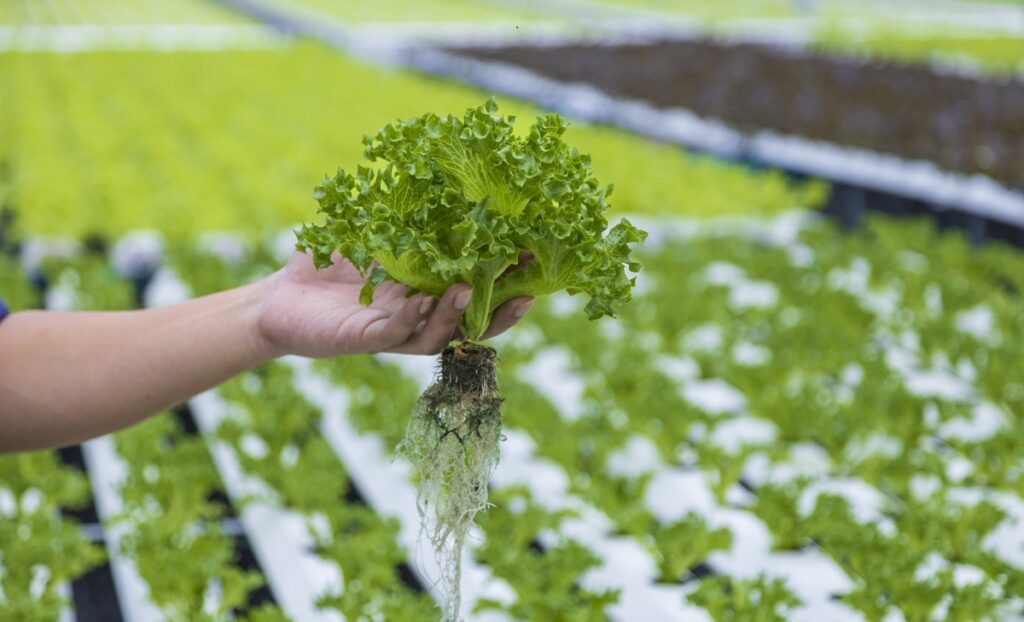
Table of Contents
- Turn Gardening Hydroponically into Daily Wins
- Understanding the Basics of Hydroponic Gardening
- Setting Up Your Hydroponic Garden for Daily Success
- Choosing the Right Plants for Daily Hydroponic Success
- Daily Maintenance and Monitoring for Consistent Growth
- Optimizing Nutrients and Growth Conditions
- Implementing Daily Wins for Long-Term Success
- Leveraging Resources and Community Support
- Conclusion: Cultivate Confidence and Consistent Wins
- Other Questions People Ask
- What are common nutrient solutions used in hydroponic gardening?
- How do I prevent root diseases in a hydroponic system?
- How do you choose the right Gardening hydroponically?
Turn Gardening Hydroponically into Daily Wins
Turning gardening hydroponically into a daily win requires a keen eye for the subtle signs of imbalance that can hinder plant health. From the first hint of yellowing leaves to sluggish growth, each detail offers a clue to underlying issues like nutrient deficiencies or pH swings that can disrupt nutrient absorption. Maintaining a consistent routine of water testing and system checks transforms what might seem like constant troubleshooting into a seamless part of your gardening rhythm. When you become attuned to your system’s needs, the rewards—vibrant, thriving plants—become a natural outcome of your daily care. This mindful approach not only prevents problems but also cultivates a deeper connection to your hydroponic garden’s unique rhythm.
Understanding the Basics of Hydroponic Gardening
Hydroponic gardening is a method of growing plants without soil, using nutrient-rich water solutions to deliver essential minerals directly to the roots. This approach allows for precise control over nutrient levels, pH balance, and environmental conditions, leading to healthier plants and faster growth cycles. Unlike traditional soil gardening, hydroponics minimizes pests and diseases associated with soil-borne pathogens, reducing the need for chemical pesticides and fertilizers.
Common hydroponic systems include nutrient film technique (NFT), deep water culture (DWC), drip systems, and aeroponics. Each has its advantages and suitability depending on the space, budget, and types of plants you wish to grow. For beginners, a simple DWC or wick system can be an excellent starting point due to their ease of setup and maintenance.
Setting Up Your Hydroponic Garden for Daily Success
Creating an efficient hydroponic garden begins with selecting the right location and equipment. Consider a space with ample light, proper ventilation, and easy access for daily monitoring and maintenance. If growing indoors, a dedicated grow room or a well-lit corner with grow lights can work well. For outdoor setups, ensure protection from harsh weather and pests.
- Choose the right container: Use food-grade containers such as plastic totes, buckets, or specialized hydroponic trays. Ensure they are clean and free of contaminants.
- Install a reliable lighting system: For indoor gardens, LED grow lights with full-spectrum capabilities promote healthy plant development. Position lights at appropriate distances to prevent heat stress.
- Set up a nutrient delivery system: Depending on your chosen method, install pumps, tubing, and reservoirs to circulate nutrient solutions efficiently.
- Maintain optimal environmental conditions: Keep temperature between 65-75°F (18-24°C), humidity around 50-70%, and ensure good air circulation.
Once your setup is complete, test your system with water and nutrients to ensure everything functions smoothly before introducing plants.
Choosing the Right Plants for Daily Hydroponic Success
Some plants are particularly well-suited for hydroponic cultivation due to their rapid growth and high yield potential. Popular choices include:
- Basil: A versatile herb that thrives in hydroponic systems, providing fresh leaves for culinary use within 3-4 weeks.
- Lettuce and leafy greens: Varieties like romaine, spinach, and arugula grow quickly and can be harvested multiple times, making them ideal for daily consumption.
- Tomatoes: Cherry and grape tomatoes flourish hydroponically, often producing fruit in as little as 60 days with proper care.
- Cucumbers: These vining plants adapt well to hydroponic setups, offering high yields in a relatively short period.
- Herbs like cilantro, mint, and parsley: Fast-growing and useful for daily cooking, these herbs can be harvested continuously.
When selecting plants, consider your climate, available space, and personal preferences. Starting with easy-to-grow varieties can build confidence and provide quick wins to motivate ongoing effort.
Daily Maintenance and Monitoring for Consistent Growth
Hydroponic gardening requires regular attention to ensure plants remain healthy and productive. Incorporate these daily practices into your routine:
- Check water levels: Ensure the nutrient solution reservoir is topped up as needed, maintaining consistent water levels to prevent root drying or over-saturation.
- Monitor pH and nutrient concentration: Test pH daily using a reliable meter; ideal levels are typically between 5.5 and 6.5 for most crops. Adjust with pH up or down solutions accordingly. Check electrical conductivity (EC) to gauge nutrient strength and adjust as plants grow.
- Observe plant health: Look for signs of pests, diseases, or nutrient deficiencies such as yellowing leaves, spots, or wilting. Early detection allows for prompt intervention.
- Maintain environmental conditions: Ensure proper lighting duration (usually 14-16 hours per day), temperature, and humidity levels. Use fans or ventilation systems to promote airflow and prevent mold or mildew.
Consistent daily monitoring helps catch issues early, reducing the risk of crop loss and ensuring steady progress toward harvest.
Optimizing Nutrients and Growth Conditions
Success in hydroponic gardening hinges on providing plants with the right balance of nutrients. Commercial hydroponic nutrient solutions contain a mix of macronutrients—nitrogen (N), phosphorus (P), and potassium (K)—and micronutrients such as calcium, magnesium, iron, and trace minerals.
Start with a balanced nutrient solution tailored for your specific plants, and adjust concentrations as plants grow. For example, leafy greens prefer higher nitrogen levels for lush foliage, while fruiting plants like tomatoes benefit from increased potassium and phosphorus during flowering and fruiting stages.
Maintaining proper pH is critical for nutrient uptake. Regular testing and adjustments prevent deficiencies or toxicities. Additionally, ensure your water source is clean and free of contaminants, as impurities can hinder plant health.
Temperature and humidity also influence nutrient absorption and plant growth. Keep the root zone temperature around 65-70°F (18-21°C) for optimal nutrient uptake, and avoid excessive humidity that can promote mold.
Implementing Daily Wins for Long-Term Success
Transforming hydroponic gardening into a daily routine involves celebrating small victories that contribute to overall success. For example:
- Successful germination: Watching tiny seedlings sprout is a rewarding milestone that encourages continued effort.
- Healthy leaf development: Noticing vibrant, lush foliage indicates your nutrient and environmental management is effective.
- Consistent harvests: Regularly picking fresh herbs or vegetables provides immediate gratification and fresh ingredients for your meals.
- Problem-solving: Identifying and resolving issues like pests or nutrient deficiencies builds confidence and skills.
Keep a gardening journal to track daily observations, adjustments, and successes. This record helps identify patterns, optimize your system, and stay motivated by recognizing progress over time.
Leveraging Resources and Community Support
Hydroponic gardening can be complex, but numerous resources are available to support your journey. Online forums, local gardening clubs, and government extension services provide valuable advice, troubleshooting tips, and product recommendations. For example, the United States Department of Agriculture (USDA) offers guides on sustainable gardening practices, including hydroponics.
Investing in quality equipment and learning from experienced growers can significantly improve your results. Consider attending workshops or webinars offered by local agricultural extension offices or online platforms like Google or Bing for tutorials and expert insights.
Joining online communities allows you to share your progress, ask questions, and learn from others’ experiences. This sense of community fosters motivation and provides a wealth of practical knowledge to help you turn your hydroponic garden into a daily source of fresh, homegrown produce.
Conclusion: Cultivate Confidence and Consistent Wins
Hydroponic gardening is a rewarding venture that, with daily attention and care, can yield bountiful harvests and a deeper connection to your food sources. By understanding the fundamentals, setting up a suitable environment, choosing the right plants, and maintaining diligent daily routines, you can turn your hydroponic system into a reliable source of fresh herbs and vegetables. Celebrate each small success—whether it’s a healthy seedling or a fruitful harvest—as a step toward mastering this innovative gardening method. With patience, practice, and a proactive approach, you’ll find that hydroponic gardening becomes an enjoyable and productive part of your daily life, offering fresh, nutritious produce right at your fingertips.
Other Questions People Ask
Question about Turn Gardening Hydroponically into Daily Wins: How can I identify nutrient deficiencies in my hydroponic system?
To turn hydroponic gardening into daily wins, regularly observe your plants for signs like yellowing leaves, stunted growth, or discoloration, which indicate nutrient deficiencies. Use a reliable test kit to monitor nutrient levels and adjust your nutrient solution accordingly. Consistent water testing and timely supplementation help prevent deficiencies from impacting plant health. Addressing these issues promptly ensures steady growth and vibrant plants.
Question about Turn Gardening Hydroponically into Daily Wins: What are the key pH levels to maintain for optimal plant growth?
Maintaining the correct pH balance is essential for turning hydroponic gardening into daily wins. Aim for a pH range of 5.5 to 6.5, which allows plants to absorb nutrients effectively. Test your water daily with a pH meter and adjust with pH up or down solutions as needed. Consistent pH monitoring prevents nutrient lockout and promotes healthy, vigorous plant growth.
Question about Turn Gardening Hydroponically into Daily Wins: How do I ensure adequate oxygen levels in my hydroponic water system?
Ensuring proper oxygenation is crucial for turning hydroponic gardening into daily wins by preventing root rot and promoting healthy root development. Use air stones or diffusers connected to an air pump to increase oxygen levels in your nutrient solution. Check water movement regularly and avoid stagnant water to maintain optimal oxygenation. Regularly monitoring and adjusting oxygen levels helps keep your plants healthy and thriving.