Instant Answer: The time it takes for plants to grow hydroponically varies depending on the plant species and growth conditions. Typically, leafy greens like lettuce can be harvested in as little as 3 to 4 weeks, while herbs may take around 4 to 6 weeks. Fruit-bearing plants such as tomatoes usually require 8 to 12 weeks before harvesting. Proper lighting, nutrients, and temperature control can influence growth speed, making hydroponic systems generally faster than traditional soil cultivation.
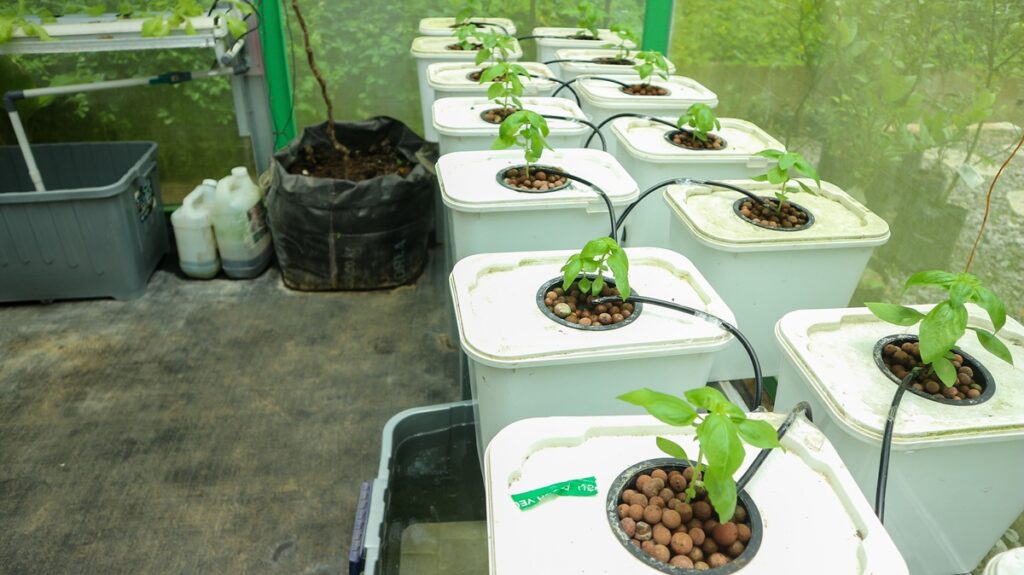
Table of Contents
- Build a Gardening Hydroponically Plan You’ll Actually Keep
- Understanding Hydroponic Gardening: The Basics
- Step 1: Define Your Gardening Goals and Space
- Step 2: Choose the Right Hydroponic System
- Step 3: Gather Materials and Equipment
- Step 4: Design Your Hydroponic System Layout
- Step 5: Prepare Your Growing Environment
- Step 6: Prepare Nutrients and Water
- Step 7: Plant Selection and Propagation
- Step 8: Maintenance and Monitoring
- Step 9: Harvesting and Extending Your Growing Season
- Step 10: Troubleshooting Common Issues
- Conclusion: Your Personalized Hydroponic Gardening Plan
- Other Questions People Ask
- What are the main benefits of gardening hydroponically?
- What are the essential components of a hydroponic gardening system?
- How do I choose the right plants for hydroponic gardening?
Build a Gardening Hydroponically Plan You’ll Actually Keep
Building a gardening hydroponically plan that you’ll actually stick with begins with understanding the unique rhythm of soil-free cultivation. Unlike traditional gardening, where growth can be slowed by unpredictable weather and soil conditions, hydroponic systems offer a more controlled environment that can accelerate plant development. Leafy greens like lettuce can be ready to harvest in just a few weeks, while herbs and fruiting plants such as tomatoes may take a couple of months, depending on how well you manage lighting, nutrients, and temperature. Crafting a plan that aligns with your schedule and resources ensures you stay motivated as you watch your plants thrive faster and more efficiently than ever before.
Understanding Hydroponic Gardening: The Basics
Before diving into the planning process, it’s essential to understand what hydroponic gardening entails. Unlike traditional soil-based gardening, hydroponics involves growing plants in a nutrient-rich water solution. This method allows for precise control over nutrients, pH levels, and environmental conditions, resulting in healthier plants and more efficient use of resources.
Common hydroponic systems include nutrient film technique (NFT), deep water culture (DWC), drip systems, and aeroponics. Each has its advantages and challenges, so selecting the right system depends on your space, budget, and the types of plants you wish to grow.
Step 1: Define Your Gardening Goals and Space
Start by clarifying what you want to achieve with your hydroponic garden. Are you aiming to grow herbs for daily use, vegetables like lettuce and tomatoes, or exotic plants? Your goals will influence your system choice, plant selection, and maintenance schedule.
Next, assess your available space. Do you have a dedicated indoor room, a balcony, or a backyard? Measure the area carefully, noting light sources, temperature, and humidity levels. For example, a small indoor space might be ideal for a compact NFT system for herbs, while a larger outdoor area could accommodate a drip system for larger vegetables.
Consider environmental factors such as natural sunlight, access to electricity, and ventilation. If natural light is limited, plan for grow lights to supplement sunlight, especially for indoor setups.
Step 2: Choose the Right Hydroponic System
Selecting the appropriate system is crucial for success. Here are some popular options with their specific benefits:
- Nutrient Film Technique (NFT): Ideal for small, fast-growing plants like lettuce and herbs. It involves a thin film of nutrient solution flowing over the roots in a sloped channel.
- Deep Water Culture (DWC): Suitable for larger plants such as tomatoes and peppers. Plants are suspended in a nutrient-rich oxygenated water reservoir, promoting rapid growth.
- Drip Systems: Versatile and scalable, these systems deliver nutrients directly to each plant’s roots via drippers. They work well for a variety of vegetables and flowers.
- Aeroponics: The most advanced and resource-efficient system, where roots are misted with nutrient solution in a closed environment. It requires precise control but yields exceptional growth rates.
For beginners, a DWC or simple drip system offers a good balance of ease and productivity. More experienced growers might experiment with aeroponics or hybrid systems for maximum efficiency.
Step 3: Gather Materials and Equipment
Once you’ve chosen your system, assemble the necessary materials. For a basic DWC setup, you will need:
- Food-grade containers or reservoirs (such as plastic totes or buckets)
- Air pumps and air stones to oxygenate the water
- Net pots or plant baskets
- Growing medium (such as clay pellets, coconut coir, or rockwool)
- Nutrient solutions formulated for hydroponics
- pH testing kits and pH adjusters (pH up and down)
- Grow lights (if growing indoors)
- Timers for lighting and watering systems
- Water pumps and tubing (for drip or NFT systems)
Investing in quality equipment ensures system durability and plant health. For example, using a reliable air pump prevents root oxygen deprivation, which can lead to plant stress or disease.
Step 4: Design Your Hydroponic System Layout
Plan your system layout to optimize space and accessibility. For instance, arrange your containers in a way that allows easy access for planting, maintenance, and harvesting. Consider vertical stacking or tiered shelving for limited spaces, which can significantly increase your planting capacity.
Ensure your setup allows for proper drainage and water circulation. For outdoor systems, position containers to avoid water runoff that could cause erosion or damage to surrounding areas.
In indoor environments, set up reflective surfaces or white walls to maximize light efficiency, and ensure your grow lights are positioned at appropriate distances from plants to prevent light burn.
Step 5: Prepare Your Growing Environment
Creating an optimal environment is key to successful hydroponic gardening. Maintain temperature levels between 65°F and 75°F (18°C to 24°C), and keep humidity levels around 50-70%, depending on plant needs. Use fans or ventilation systems to promote air circulation and prevent mold or pests.
If growing indoors, install grow lights such as LED panels or fluorescent tubes. For example, leafy greens like lettuce require about 12-16 hours of light daily, while fruiting plants like tomatoes need 14-18 hours.
Monitor and adjust environmental parameters regularly. Use a thermometer and hygrometer to track conditions, and make adjustments as needed to keep plants healthy.
Step 6: Prepare Nutrients and Water
Use high-quality hydroponic nutrient solutions tailored to your plant types. These solutions contain essential macro- and micronutrients like nitrogen, phosphorus, potassium, calcium, magnesium, and trace elements.
Mix nutrients according to manufacturer instructions, and regularly test your water’s pH and electrical conductivity (EC). Most plants thrive in a pH range of 5.5 to 6.5; adjust accordingly using pH up or down solutions.
Change the nutrient solution every 1-2 weeks to prevent buildup of salts and pathogens, and top off with fresh water as needed to maintain proper levels.
Step 7: Plant Selection and Propagation
Select plant varieties suited to hydroponic growth. Leafy greens like lettuce, spinach, and kale are excellent choices for beginners due to their rapid growth and minimal space requirements. Tomatoes, cucumbers, and peppers are also popular but require more attention to support and environmental control.
Start with seedlings or cuttings for faster establishment. For example, you can purchase starter plants from local nurseries or propagate herbs like basil and mint from cuttings placed in water until roots develop.
Ensure plants are healthy and free from pests before transplanting into your hydroponic system to prevent disease spread.
Step 8: Maintenance and Monitoring
Consistent monitoring is vital. Check water levels daily, ensuring the nutrient solution remains at the correct pH and EC. Observe plants for signs of nutrient deficiencies, pests, or diseases. For example, yellowing leaves might indicate nitrogen deficiency, while spots or holes could suggest pest activity.
Maintain cleanliness by removing dead or diseased plant material and sterilizing equipment periodically to prevent pathogen buildup.
Adjust lighting, temperature, and humidity as plants grow to accommodate their changing needs. For instance, taller plants may require staking or support structures to prevent damage.
Step 9: Harvesting and Extending Your Growing Season
Harvest your crops at their peak ripeness for the best flavor and nutritional value. Leafy greens can often be harvested multiple times by cutting outer leaves, encouraging continued growth. Fruits like tomatoes should be picked when fully colored and firm.
To extend your growing season, consider using supplemental lighting and climate control systems. Indoor hydroponic setups can produce fresh vegetables year-round, regardless of outdoor weather conditions.
Document your progress and learn from each cycle to refine your plan, improve yields, and troubleshoot issues more effectively.
Step 10: Troubleshooting Common Issues
Hydroponic gardening, like any method, can encounter challenges. Common problems include:
- Algae growth: Prevent by covering reservoirs and maintaining cleanliness.
- Root rot: Ensure proper oxygenation and avoid overwatering.
- Pest infestations: Use organic pest control methods and quarantine new plants.
- Nutrient deficiencies: Regularly test and adjust nutrient solutions.
By staying vigilant and proactive, you can maintain a healthy, productive hydroponic garden that provides fresh produce year-round.
Conclusion: Your Personalized Hydroponic Gardening Plan
Building a successful hydroponic garden requires careful planning, consistent maintenance, and a willingness to learn. Start small, experiment with different systems and plants, and gradually expand as you gain confidence. Remember, the key to keeping your hydroponic garden thriving is regular monitoring, timely adjustments, and a passion for sustainable food production.
With dedication and the right approach, you’ll enjoy the satisfaction of growing your own fresh herbs and vegetables, all while conserving water and space. Happy gardening!
Other Questions People Ask
Question about Build a Gardening Hydroponically Plan You’ll Actually Keep …?
How can I create a hydroponic gardening plan that I’ll actually stick to? Start by setting clear goals based on the plants you want to grow and your available space. Choose a system that matches your experience level and resources, such as DWC or drip systems for beginners. Regular maintenance, monitoring, and adjusting your schedule will help you stay consistent and successful.
What is Build a Gardening Hydroponically Plan You’ll Actually Keep and why is it important?
Understanding what Build a Gardening Hydroponically Plan You’ll Actually Keep entails provides a solid foundation for further learning. It encompasses both the key concepts and the role it plays in its broader context. Knowing why it matters helps you prioritize it appropriately and recognize the benefits it can offer. This perspective also guides your decisions about when and how to apply Build a Gardening Hydroponically Plan You’ll Actually Keep.
How do you choose the right Build a Gardening Hydroponically Plan You’ll Actually Keep?
Selecting the right Build a Gardening Hydroponically Plan You’ll Actually Keep depends on your specific goals and circumstances. Consider factors such as quality, applicability, and how well it aligns with your needs. Researching options and comparing features will help you make an informed choice. Taking the time to evaluate these aspects ensures a better fit and greater success.