Instant Answer: The cost of starting a homestead can vary widely depending on factors like location, size of land, and existing infrastructure. On average, expect to invest anywhere from $10,000 to $100,000 or more for initial setup costs, including land purchase, tools, equipment, and building materials. It’s important to create a detailed budget and prioritize essential expenses to ensure a successful start to your homesteading journey.
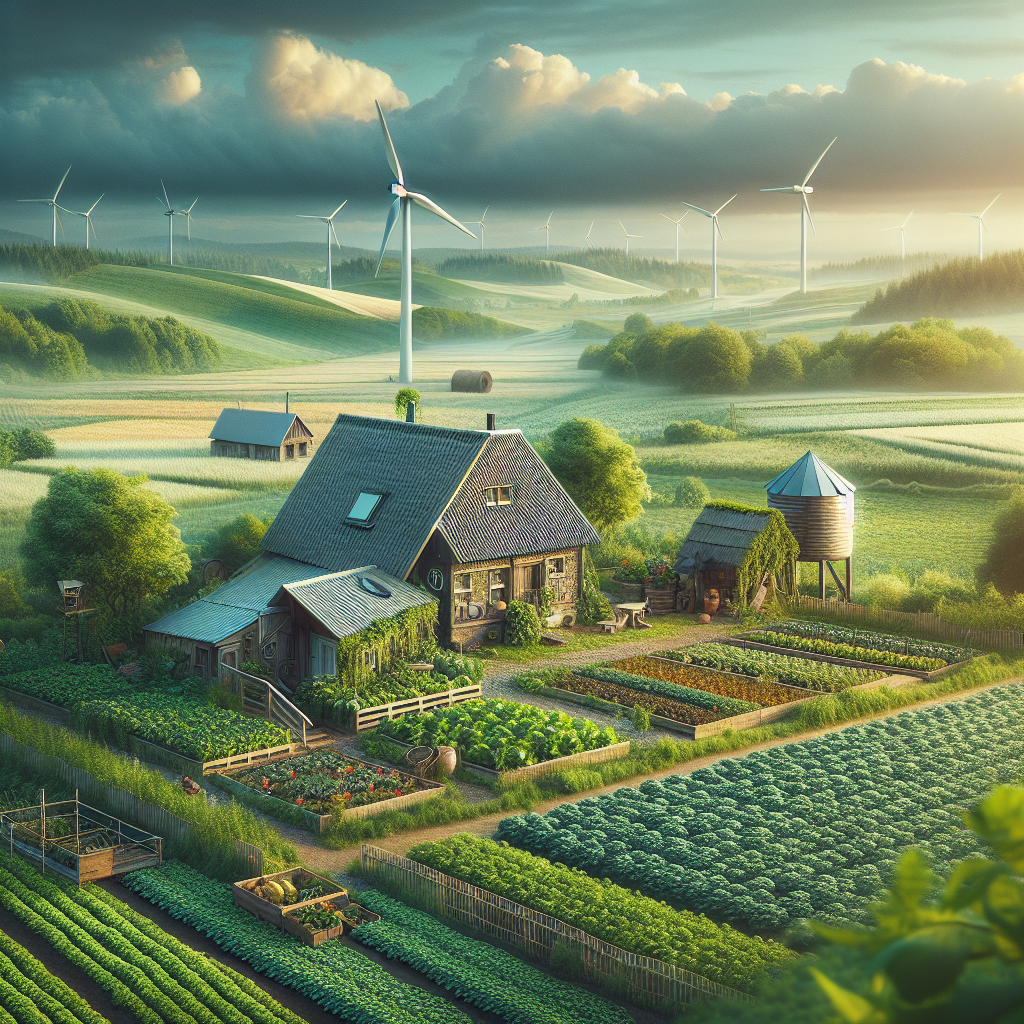
Naturally Lower Homesteading Costs with Strategic Budgeting
Embarking on a homesteading adventure is a thrilling prospect, but the financial considerations can be daunting. By strategically budgeting your resources, you can significantly lower the costs associated with setting up your homestead. Consider innovative ways to repurpose materials, prioritize investments in essential tools and infrastructure, and explore cost-effective methods for building and maintaining your homestead. With careful planning and a keen eye for resourcefulness, you can create a thriving homestead without breaking the bank, allowing you to focus on the joys and rewards of self-sufficiency and sustainable living.
1. Grow Your Own Food
One of the most effective ways to lower your homesteading costs is by growing your own food. By establishing a vegetable garden, fruit orchard, and herb garden, you can significantly reduce your grocery expenses. For example, instead of buying tomatoes from the store, you can grow them in your backyard. This not only saves money but also ensures that you have access to fresh, organic produce.
2. Raise Livestock for Food
If you have the space and resources, consider raising livestock for meat, eggs, and dairy products. Chickens, for example, are relatively low-maintenance animals that can provide you with a constant supply of fresh eggs. Similarly, goats can supply you with milk for drinking or making cheese. By producing your own food, you can cut down on trips to the grocery store and reduce your food expenses in the long run.
3. Implement Energy-Saving Practices
Reducing your energy consumption is another way to lower homesteading costs. Consider installing solar panels to generate electricity for your homestead. While the initial investment may be high, you will save money on your energy bills in the long term. Additionally, practice energy-saving habits such as turning off lights when not in use, using energy-efficient appliances, and insulating your home properly to reduce heating and cooling costs.
4. Utilize DIY Skills
Developing do-it-yourself (DIY) skills can be incredibly beneficial for lowering homesteading costs. Instead of hiring professionals for repairs and maintenance, learn how to fix things yourself. For example, you can learn basic carpentry to build furniture or repair structures on your homestead. By taking on these tasks independently, you can save money on labor costs and become more self-sufficient in managing your homestead.
5. Practice Water Conservation
Water is a precious resource, especially on a homestead. Implementing water conservation practices can help lower your water bills and reduce your environmental impact. Consider installing a rainwater harvesting system to collect rainwater for irrigation purposes. Additionally, fix any leaks in your plumbing system and practice mindful water usage in daily activities such as washing dishes and watering plants. By conserving water, you can lower your utility costs and contribute to sustainable living.
6. Barter and Trade with Neighbors
Building a strong community network with your homesteading neighbors can open up opportunities for bartering and trading goods and services. For example, if you have an abundance of vegetables from your garden, you can exchange them with a neighbor who has surplus eggs from their chickens. By trading resources instead of purchasing them, you can save money and foster a sense of community on your homestead.
7. Invest in Long-Term Infrastructure
While it may require an upfront investment, focusing on long-term infrastructure improvements can ultimately lower your homesteading costs. For example, investing in a high-quality water filtration system can reduce your reliance on bottled water and save you money in the long run. Similarly, building sturdy fences and structures that require minimal maintenance can prevent costly repairs down the line. By prioritizing durable infrastructure, you can avoid frequent expenses and create a more sustainable homestead environment.
By implementing these practical steps and incorporating strategic budgeting into your homesteading lifestyle, you can effectively lower your overall costs and achieve greater financial stability. Remember that every small change you make can have a significant impact on your budget in the long term. Embrace the journey of self-sufficiency and financial independence on your homestead!
Other questions people ask about homesteading
What is the easiest way to start homesteading?
The easiest way to start homesteading is by beginning with a small-scale project, such as growing a vegetable garden. This allows you to gain experience and skills in a manageable way before expanding to larger endeavors like raising livestock or preserving food. Starting with a garden also provides a tangible and rewarding introduction to self-sufficiency and can be a great way to connect with the land and your food sources.
How long until I see results with homesteading?
The timeline for seeing results with homesteading can vary depending on factors like the size of your property, your level of experience, and the specific projects you undertake. However, you can typically start seeing some results within the first year of homesteading. For example, planting a vegetable garden can yield produce within a few months, providing you with fresh, homegrown food. It’s important to start small and gradually expand your homesteading activities to manage your expectations and ensure sustainable progress.
What mistakes should I avoid in homesteading?
One common mistake to avoid in homesteading is taking on too much too quickly. It’s important to start small and gradually expand as you gain experience and knowledge. For example, instead of trying to grow a wide variety of crops in your first year, focus on a few that are well-suited to your climate and soil. This approach allows you to learn and adapt without becoming overwhelmed.